



Turmeric curcumin benefits have made this golden spice one of the most researched natural compounds in modern medicine, with over 13,000 published studies exploring its therapeutic potential. From powerful anti-inflammatory effects to brain health and disease prevention, curcumin—the active compound in turmeric—offers scientifically validated health benefits that rival many pharmaceutical drugs.
This comprehensive guide explores 15 evidence-based turmeric curcumin benefits, how to maximize absorption, optimal dosages, and which forms work best for different health conditions.
Key Takeaway: Curcumin, turmeric’s main active compound, is a potent anti-inflammatory and antioxidant that can benefit arthritis, brain health, heart disease, depression, and more—but absorption is key. Combining curcumin with black pepper or using enhanced formulations increases effectiveness by up to 2,000%.
What Is Turmeric vs Curcumin?
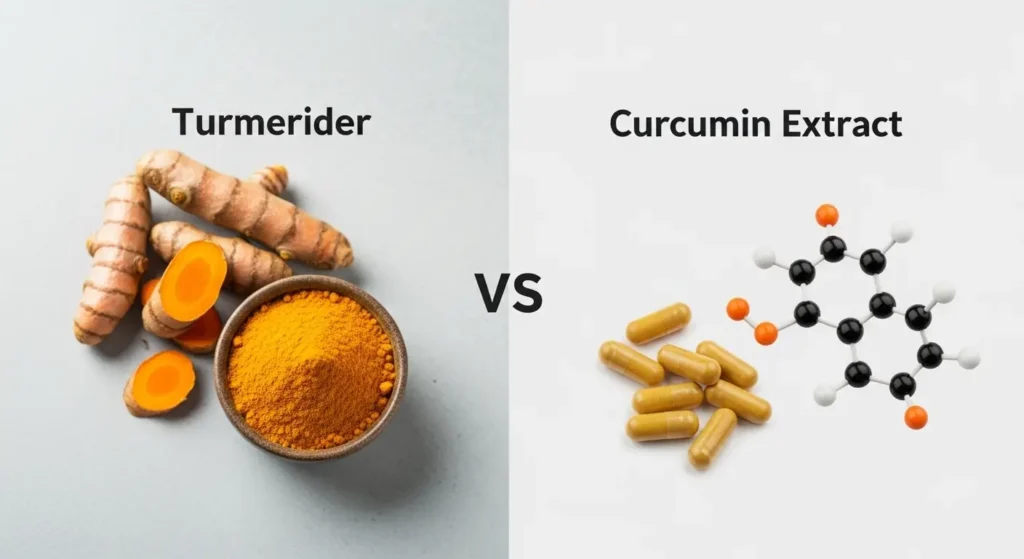
Turmeric: The Golden Spice
Turmeric (Curcuma longa) is a flowering plant in the ginger family, native to Southeast Asia. The root is dried and ground into the bright yellow-orange powder used as a spice in curry and traditional medicine for over 4,000 years.
Composition:
- Curcuminoids (3-5%): The active medicinal compounds
- Essential oils (3-5%): Aromatic compounds
- Fiber, vitamins, minerals (90%+): Bulk of the root
Curcumin: The Active Compound
Curcumin is the primary curcuminoid responsible for most of turmeric’s health benefits and distinctive color.
Key Facts:
- Makes up only 3-5% of turmeric root by weight
- Responsible for yellow-orange color
- Most researched component (13,000+ studies)
- Has poor bioavailability alone (absorption problem)
Curcuminoids Include:
- Curcumin (70-80%)
- Demethoxycurcumin (15-20%)
- Bisdemethoxycurcumin (5-10%)
The Bottom Line: Turmeric is the whole spice; curcumin is the concentrated active ingredient. For therapeutic benefits, curcumin extracts (standardized to 95% curcuminoids) are more potent than turmeric powder.
15 Science-Backed Turmeric Curcumin Benefits
1. Powerful Anti-Inflammatory Effects ⭐ PRIMARY BENEFIT
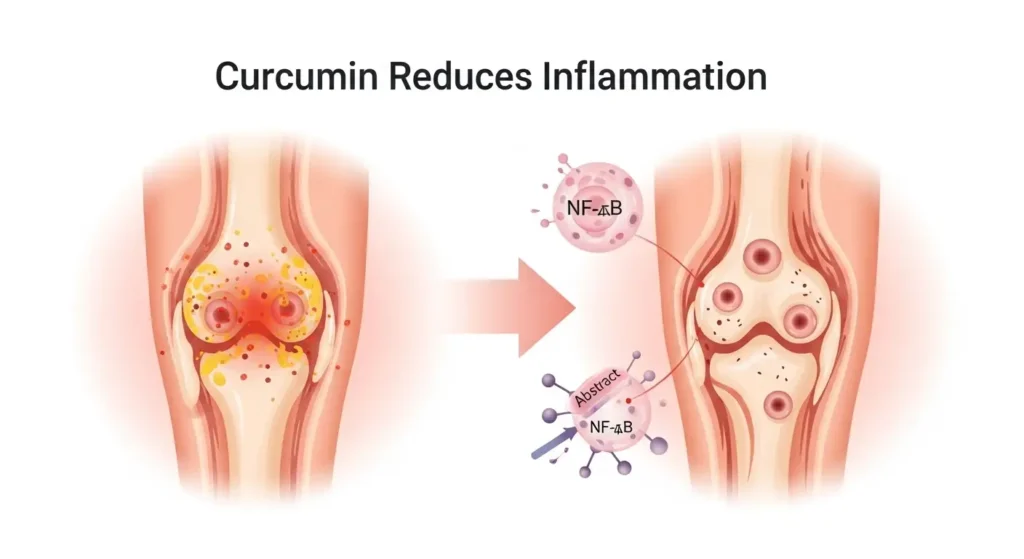
How It Works: Curcumin blocks NF-κB, a molecule that travels into cell nuclei and turns on inflammatory genes. It also inhibits COX-2 and 5-LOX enzymes that produce inflammatory compounds.
Research Evidence:
- Multiple studies show curcumin reduces inflammatory markers (TNF-α, IL-6, CRP) by 20-40%
- Comparable effectiveness to anti-inflammatory drugs like ibuprofen in some trials
- Works on multiple inflammatory pathways simultaneously (unlike single-target drugs)
Clinical Applications:
- Chronic inflammation (root cause of most diseases)
- Inflammatory conditions (arthritis, IBD, metabolic syndrome)
- Post-exercise inflammation and muscle soreness
Study Highlight: A 2017 meta-analysis of 15 randomized controlled trials found curcumin significantly reduced inflammatory markers across multiple conditions.
Practical Use: 500-1,000 mg curcumin extract daily for chronic inflammation
2. Relieves Arthritis Pain and Joint Inflammation
The Evidence: Turmeric curcumin benefits for arthritis are among the most well-documented, with clinical trials showing significant pain reduction and improved mobility.
Key Studies:
Osteoarthritis:
- Study (2016): Curcumin extract (1,500 mg/day) was as effective as ibuprofen (1,200 mg/day) for knee osteoarthritis
- Patients reported 50-60% reduction in pain and stiffness
- Improved physical function scores by 40%
Rheumatoid Arthritis:
- Study (2012): Curcumin alone (500 mg) was more effective than diclofenac sodium (50 mg) in active RA patients
- Reduced Disease Activity Score by 44%
- Better safety profile than conventional drugs
How It Helps:
- Reduces joint inflammation and swelling
- Inhibits enzymes that break down cartilage
- Decreases inflammatory cytokines in synovial fluid
- May slow disease progression
Dosage for Arthritis: 1,000-1,500 mg curcumin extract daily (with enhanced absorption)
Learn more: Anti-Inflammatory Herbs for Joint Pain
3. Supports Brain Health and Cognitive Function
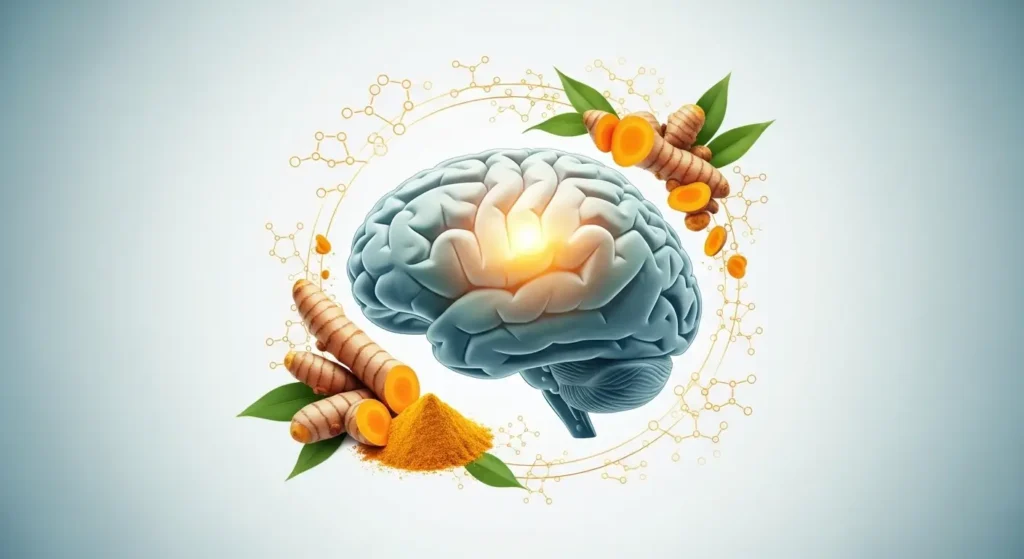
Neurological Benefits: Turmeric curcumin benefits extend to brain health through multiple mechanisms including increased BDNF (Brain-Derived Neurotrophic Factor), a growth hormone for brain neurons.
How Curcumin Protects the Brain:
- Crosses blood-brain barrier (rare for nutrients)
- Increases BDNF levels (promotes new neuron growth)
- Reduces brain inflammation (neuroinflammation)
- Powerful antioxidant protecting neurons from oxidative damage
- May break up amyloid plaques (Alzheimer’s link)
Research Evidence:
Memory and Cognition:
- Study (UCLA, 2018): 90 mg curcumin twice daily improved memory by 28% in adults with mild memory complaints
- Brain scans showed decreased amyloid and tau proteins (Alzheimer’s markers)
Alzheimer’s Disease:
- Population studies: India (high turmeric consumption) has 4.4 times lower Alzheimer’s rates than U.S.
- Lab studies show curcumin clears amyloid plaques
- Human trials ongoing with promising preliminary results
Depression:
- Study (2014): Curcumin (1,000 mg/day) was as effective as Prozac (fluoxetine) for major depressive disorder
- Works by increasing serotonin and dopamine
- May enhance effects of antidepressants
Dosage for Brain Health: 500-1,000 mg curcumin extract daily (long-term)
Related: Lions Mane for Brain Health | Natural Remedies for Brain Fog
4. Powerful Antioxidant Protection
Antioxidant Capacity: Curcumin is one of nature’s most potent antioxidants, neutralizing free radicals while boosting your body’s own antioxidant enzymes.
Dual Action:
- Direct: Neutralizes free radicals through its chemical structure
- Indirect: Boosts activity of antioxidant enzymes (SOD, catalase, glutathione)
Benefits:
- Protects cells from oxidative damage
- Reduces oxidative stress linked to aging and disease
- May slow cellular aging
- Supports mitochondrial function
Research: Studies show curcumin increases antioxidant enzyme activity by 30-50% and reduces oxidative stress markers significantly.
Related Benefits:
- Skin health (protects from UV damage and aging)
- Eye health (protects retinal cells)
- Cardiovascular protection
- Anti-aging effects
5. Improves Heart Health and Circulation
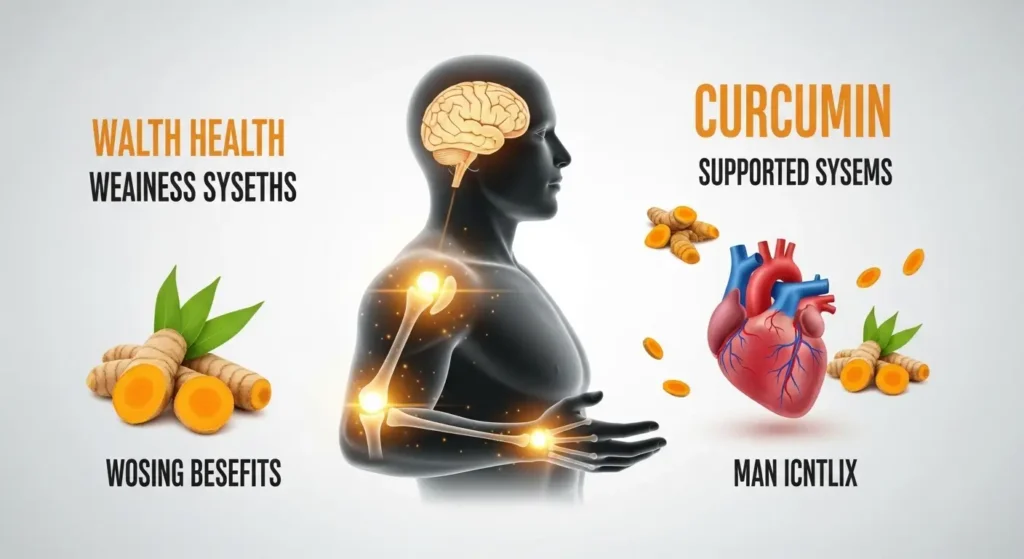
Cardiovascular Benefits: Turmeric curcumin benefits for heart health include improved endothelial function, reduced cholesterol, and decreased risk of heart disease.
How It Helps:
Endothelial Function:
- Study: Curcumin improved endothelial function (blood vessel lining) comparable to exercise
- Increases nitric oxide production
- Reduces endothelial inflammation
Cholesterol and Lipids:
- Meta-analysis: Curcumin reduced LDL (“bad”) cholesterol by 15-20 mg/dL
- Modest increase in HDL (“good”) cholesterol
- Reduced triglycerides
- Prevents LDL oxidation (key step in atherosclerosis)
Blood Pressure:
- May reduce blood pressure by 3-5 mmHg (modest effect)
- Improves arterial flexibility
Platelet Aggregation:
- Reduces blood clotting risk
- May complement aspirin therapy (with doctor approval)
Dosage for Heart Health: 500-1,000 mg curcumin extract daily
Caution: May interact with blood thinners; consult healthcare provider
6. May Help Prevent and Support Cancer Treatment
Important Disclaimer: Curcumin should NEVER replace conventional cancer treatment. It may serve as a complementary approach with medical supervision.
Anti-Cancer Mechanisms: Curcumin affects cancer at multiple stages—growth, development, and spread at the molecular level.
How It Works:
- Reduces angiogenesis (formation of new blood vessels in tumors)
- Inhibits metastasis (cancer spread)
- Promotes apoptosis (cancer cell death)
- Reduces inflammation that promotes cancer
- May enhance chemotherapy effectiveness
- Protects healthy cells during radiation
Research Evidence:
Laboratory Studies:
- Shows activity against multiple cancer types in cell and animal studies
- Most studied: Colorectal, breast, pancreatic, prostate cancers
Human Studies:
- Study (2001): 3.6 grams curcumin daily reduced precancerous lesions by 40% in colon
- Study (2008): Curcumin + quercetin reduced polyp size and number in familial adenomatous polyposis
- Multiple trials ongoing for various cancer types
Clinical Use:
- Some oncologists support curcumin as adjunctive therapy
- May reduce treatment side effects
- Should be coordinated with cancer care team
Typical Dosages in Cancer Research: 3,000-8,000 mg curcumin daily (medical supervision required)
Related: Turkey Tail for Cancer Support | Medicinal Mushrooms and Cancer
7. Supports Digestive Health and Gut Function
Digestive Benefits: Turmeric curcumin benefits include soothing digestive inflammation and supporting healthy gut function.
How It Helps:
Inflammatory Bowel Disease (IBD):
- Reduces intestinal inflammation
- May help maintain remission in ulcerative colitis
- Study: 2,000 mg curcumin daily helped maintain remission in UC patients
Irritable Bowel Syndrome (IBS):
- Study: 72% of IBS patients improved with curcumin supplementation
- Reduces abdominal pain and discomfort
- Improves bowel movement consistency
Digestive Enzyme Production:
- Stimulates gallbladder to produce bile
- Enhances digestion of fats
- Traditional use for indigestion
Gut Barrier Function:
- May help reduce intestinal permeability (“leaky gut”)
- Protects gut lining from damage
Caution: May aggravate GERD/acid reflux in some people at high doses
Dosage for Gut Health: 500-1,000 mg curcumin extract daily with meals
8. Helps Manage Diabetes and Blood Sugar
Metabolic Benefits: Research shows turmeric curcumin benefits include improved insulin sensitivity and blood sugar control.
How It Works:
- Increases insulin sensitivity
- Reduces insulin resistance
- Decreases glucose production in liver
- Anti-inflammatory effects reduce metabolic inflammation
- Protects pancreatic beta cells
Research Evidence:
Type 2 Diabetes:
- Meta-analysis: Curcumin significantly lowered fasting blood glucose and HbA1c
- May reduce diabetes progression in prediabetics
- Study (2012): Curcumin prevented diabetes development in prediabetic patients over 9 months (placebo group had 16% conversion to diabetes, curcumin group had 0%)
Diabetic Complications:
- May prevent diabetic nephropathy (kidney damage)
- Protects against diabetic neuropathy (nerve damage)
- Reduces diabetic retinopathy risk
Dosage for Blood Sugar: 500-1,500 mg curcumin extract daily
Important: Monitor blood sugar if on diabetes medications; curcumin may enhance effects
9. Supports Liver Health and Detoxification
Hepatoprotective Effects: Curcumin protects the liver and enhances its detoxification capabilities.
How It Helps:
- Powerful antioxidant protecting liver cells
- Increases glutathione (master antioxidant)
- Enhances bile production and flow
- Protects against fatty liver disease
- Reduces liver inflammation and fibrosis
Research:
- Studies show curcumin protects against alcohol-induced liver damage
- May help non-alcoholic fatty liver disease (NAFLD)
- Reduces liver enzyme markers (ALT, AST) in liver inflammation
- Animal studies show protection against liver fibrosis
Dosage: 500-1,000 mg curcumin extract daily
10. May Improve Skin Health and Appearance
Dermatological Benefits: Turmeric curcumin benefits for skin include anti-inflammatory, antimicrobial, and antioxidant effects.
How It Helps:
Acne:
- Reduces inflammation and sebum production
- Antimicrobial against P. acnes bacteria
- Both oral and topical application show benefits
Psoriasis:
- Reduces inflammatory skin plaques
- Study: Curcumin improved psoriasis symptoms in 9 of 12 patients
Wound Healing:
- Accelerates wound closure
- Reduces scarring
- Antimicrobial prevents infection
Anti-Aging:
- Protects against UV damage
- Reduces oxidative stress in skin
- May reduce fine lines and improve elasticity
- Traditional Indian use for skin brightening
Application:
- Internal: 500-1,000 mg daily
- Topical: Turmeric paste or curcumin creams
Note: Turmeric can temporarily stain skin yellow; test topical applications first
11. Reduces Depression and Anxiety
Mental Health Benefits: Clinical studies show turmeric curcumin benefits include antidepressant effects comparable to conventional medications.
Mechanisms:
- Increases brain serotonin and dopamine
- Reduces cortisol (stress hormone)
- Anti-inflammatory (inflammation linked to depression)
- Increases BDNF (low BDNF linked to depression)
- Protects hippocampus (emotion regulation center)
Research Evidence:
Depression:
- Study (2014): Curcumin as effective as Prozac (fluoxetine) in major depressive disorder
- Study (2015): Combination of curcumin + antidepressant more effective than either alone
- Significant reduction in depression scores by 30-40%
Anxiety:
- Multiple studies show anxiolytic (anti-anxiety) effects
- May work through stress-inflammation connection
- Calming without sedation
Dosage for Mental Health: 500-1,000 mg curcumin extract daily (may take 4-8 weeks for full effects)
Important: Should complement, not replace, mental health treatment. Consult healthcare provider.
Related: Natural Remedies for Anxiety | Reishi for Stress | Ashwagandha Benefits
12. Improves Exercise Performance and Recovery
Athletic Benefits: Curcumin reduces exercise-induced inflammation and muscle damage, accelerating recovery.
How It Helps:
- Reduces muscle soreness (DOMS) by 30-50%
- Decreases inflammatory markers post-exercise
- May enhance muscle recovery between workouts
- Protects against oxidative stress from intense exercise
- Preserves muscle function
Research:
- Study: 200 mg curcumin daily reduced muscle damage and enhanced recovery
- Athletes reported less soreness and faster return to performance
- May reduce need for NSAIDs in athletes
Timing:
- Pre-workout: 200-500 mg (reduces oxidative stress)
- Post-workout: 500-1,000 mg (enhances recovery)
- Daily ongoing: 500 mg (cumulative anti-inflammatory benefits)
Related: Cordyceps for Athletic Performance
13. Supports Healthy Aging and Longevity
Anti-Aging Mechanisms: Turmeric curcumin benefits include multiple pathways that may slow biological aging.
How It May Extend Lifespan:
- Powerful antioxidant (protects from oxidative aging)
- Anti-inflammatory (reduces chronic inflammation)
- Activates longevity genes (similar to caloric restriction)
- Protects telomeres (chromosome caps that shorten with age)
- Enhances autophagy (cellular cleanup)
- Protects mitochondria (cellular energy centers)
Age-Related Disease Prevention:
- Alzheimer’s and dementia
- Heart disease
- Cancer
- Arthritis
- Metabolic disease
Research:
- Animal studies show lifespan extension with curcumin
- Population studies: High turmeric consumption correlates with lower disease rates
- Human longevity studies ongoing
Dosage for Longevity: 500-1,000 mg curcumin extract daily (long-term)
Related: Chaga for Anti-Aging
14. May Improve Respiratory Health
Respiratory Benefits: Curcumin’s anti-inflammatory effects extend to the respiratory system.
Conditions Helped:
Asthma:
- Reduces airway inflammation
- May improve lung function
- Study: Curcumin improved asthma symptoms in 77% of patients
COPD:
- Anti-inflammatory for chronic bronchitis
- Antioxidant protects lung tissue
- May reduce exacerbations
Allergies:
- Modulates immune response
- Reduces histamine release
- Anti-inflammatory for allergic rhinitis
Dosage: 500-1,000 mg curcumin extract daily
15. Supports Kidney Health
Renal Protection: Research shows curcumin protects kidney function through multiple mechanisms.
How It Helps:
- Reduces kidney inflammation
- Protects against oxidative damage
- May slow chronic kidney disease progression
- Reduces proteinuria (protein in urine)
- Protects against diabetic nephropathy
Research:
- Studies show curcumin reduces kidney damage markers
- May help preserve kidney function in chronic disease
- Protects against drug-induced kidney toxicity
Dosage: 500-1,000 mg curcumin extract daily
Caution: High doses may be problematic in advanced kidney disease; consult nephrologist
The Bioavailability Problem: How to Absorb Curcumin
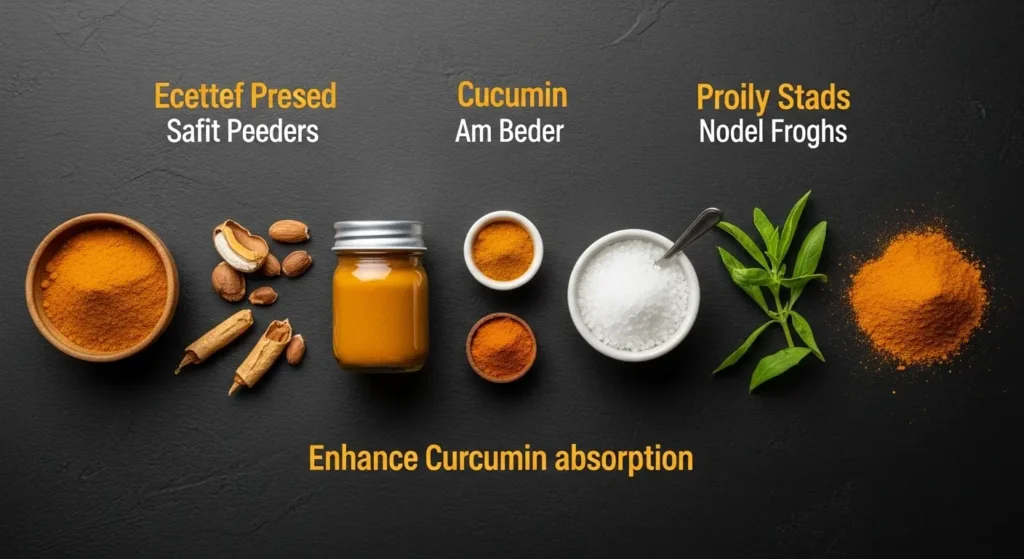
The Challenge: Curcumin has poor bioavailability—only 1-2% is absorbed when taken alone. It’s rapidly metabolized and eliminated from the body.
Why Poor Absorption:
- Not water-soluble (poor dissolution)
- Rapid metabolism in liver and intestines
- Quick elimination
- Low absorption across gut barrier
Solutions for Better Absorption:
1. Black Pepper (Piperine) ⭐ EASIEST & MOST POPULAR
How It Works:
- Piperine inhibits enzymes that break down curcumin
- Increases absorption by 2,000% (20x improvement)
Dosage:
- 5-20 mg piperine with each curcumin dose
- Many supplements include this combination
- DIY: Add 1/4 teaspoon black pepper per teaspoon turmeric
Pros: Cheap, effective, easy Cons: May enhance absorption of other substances/drugs
2. Fat/Oil
How It Works:
- Curcumin is fat-soluble
- Taken with fat improves absorption 7-8x
Application:
- Take curcumin with meals containing fat
- Mix turmeric with coconut oil, olive oil, or ghee
- Traditional: Turmeric in curry with oils
- Golden milk: Turmeric in full-fat milk
3. Liposomal Curcumin
How It Works:
- Curcumin encapsulated in liposomes (fat bubbles)
- Protects from degradation
- Enhances cellular uptake
Effectiveness: Up to 30x better absorption
Pros: Excellent bioavailability, no piperine needed Cons: More expensive
4. Phytosome/Meriva (Curcumin + Phosphatidylcholine)
How It Works:
- Curcumin bound to phosphatidylcholine
- Creates fat-soluble complex
- Better absorption and longer blood levels
Effectiveness: 29x better absorption than standard curcumin
Clinical Use: Most studied enhanced form in clinical trials
5. Micronized/Nanoparticle Curcumin
How It Works:
- Particles ground to microscopic size
- Increased surface area for absorption
Effectiveness: Up to 27x better absorption
Best Forms Ranked:
- Phytosome/Meriva (29x) – Clinical gold standard
- Liposomal (30x) – Excellent absorption
- Nanoparticle (27x) – Very good
- Curcumin + Piperine (20x) – Best value
- Curcumin + Fat (7-8x) – Basic improvement
- Standard curcumin (1x) – Poor absorption
See our testing: Best Turmeric Curcumin Supplements
How Much Turmeric or Curcumin Should You Take?
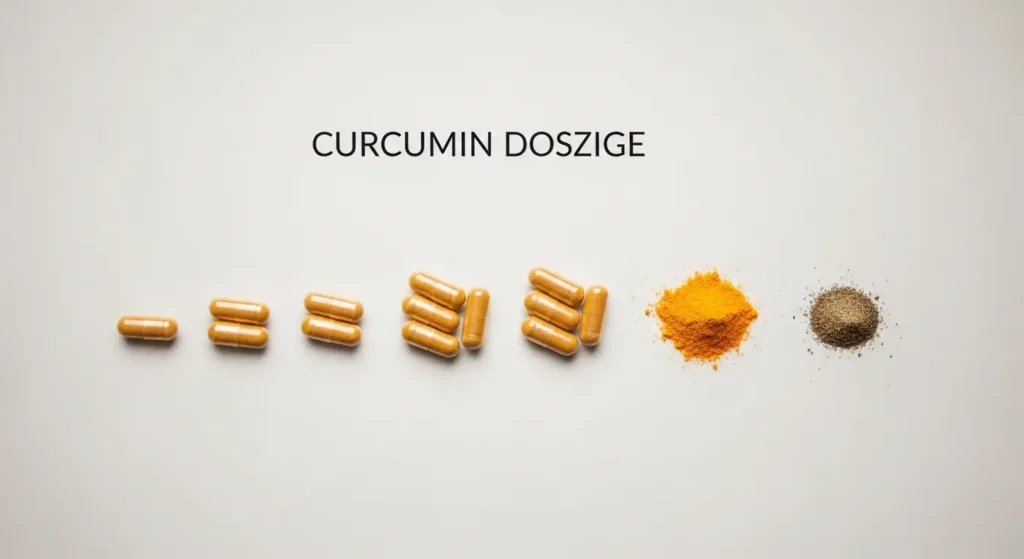
Turmeric Powder (Spice)
For culinary/general wellness:
- 1-3 grams daily (1/2 to 1 teaspoon)
- Provides 30-150 mg curcumin
- Best with black pepper and fat
- Safe for daily cooking use
Limitation: Too low in curcumin for therapeutic effects
Curcumin Extract Supplements
General Health/Prevention:
- 500-1,000 mg curcumin extract daily
- Standardized to 95% curcuminoids
- With piperine or enhanced absorption
Inflammatory Conditions (Arthritis, IBD):
- 1,000-1,500 mg curcumin extract daily
- Split into 2-3 doses
- With meals
- May take 4-8 weeks for full benefits
Intensive Therapeutic Use:
- 1,500-3,000 mg curcumin extract daily
- Higher doses used in clinical studies
- Medical supervision recommended
Clinical Research Doses:
- Studies use 500-12,000 mg curcumin daily
- Most common: 1,000-2,000 mg daily
- Cancer research: Often 3,000-8,000 mg daily
Dosing Guidelines by Condition
| Condition | Daily Curcumin Dose | Duration |
|---|---|---|
| General wellness | 500-1,000 mg | Ongoing |
| Arthritis/Joint pain | 1,000-1,500 mg | 8-12 weeks minimum |
| Depression/Anxiety | 500-1,000 mg | 6-8 weeks minimum |
| Digestive issues | 500-1,000 mg | 4-8 weeks |
| Heart health | 500-1,000 mg | Ongoing |
| Brain health | 500-1,000 mg | Long-term (months-years) |
| Blood sugar | 500-1,500 mg | 12+ weeks |
| Post-exercise | 500-1,000 mg | Ongoing (athletes) |
Important: Start with lower doses (500 mg) and increase gradually
When to Take Turmeric Curcumin
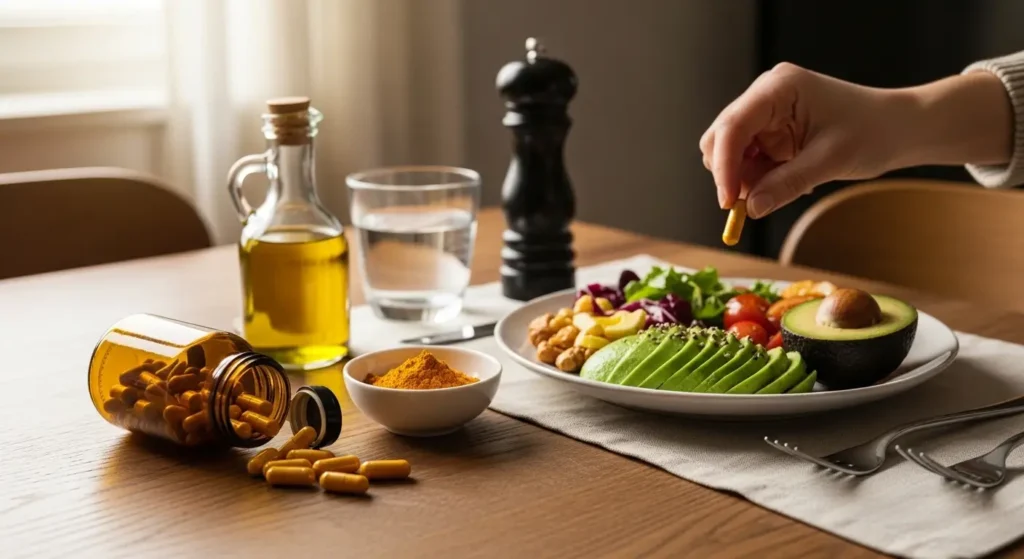
Best Time:
- With meals (improves absorption, reduces stomach upset)
- Morning and evening if splitting dose
- Consistent daily timing for best results
Avoid:
- Empty stomach (may cause nausea)
- Very late evening (may be mildly stimulating for some)
Detailed guide: Best Time to Take Turmeric
Turmeric Curcumin Side Effects and Safety
General Safety
Curcumin is remarkably safe with excellent tolerance even at high doses.
Safety Studies:
- Doses up to 12,000 mg daily well-tolerated in research
- Used safely in clinical trials for months to years
- Traditional use for 4,000+ years
- Extremely low incidence of serious side effects
Possible Side Effects (Rare, Mild)
Digestive:
- Nausea or stomach upset (take with food)
- Diarrhea at very high doses (>3,000 mg)
- May worsen GERD in sensitive individuals
- Yellow staining of stool (harmless)
Other:
- Headache (rare)
- Skin rash (allergic reaction, very rare)
- Dizziness (very rare, high doses)
Who Should Be Cautious
Gallstones/Bile Duct Obstruction:
- Curcumin stimulates bile production
- May cause pain if bile ducts blocked
- Consult healthcare provider
Iron Deficiency:
- Curcumin may inhibit iron absorption
- Take iron supplements separately (2+ hours apart)
Pregnancy/Nursing:
- Culinary amounts safe
- High-dose supplements not well-studied
- Consult healthcare provider
Before Surgery:
- Stop 1-2 weeks before surgery
- May increase bleeding risk at high doses
- Inform surgical team
Drug Interactions
Blood Thinners (Warfarin, Aspirin, Clopidogrel):
- Curcumin may enhance anticoagulant effects
- Increased bleeding risk
- Monitor INR if on warfarin
- Consult healthcare provider
Diabetes Medications:
- May enhance blood sugar lowering
- Monitor glucose levels
- May need medication adjustment
Chemotherapy:
- May enhance or interfere depending on drug
- Always coordinate with oncologist
- Some interactions beneficial, others problematic
Antacids/PPIs:
- Curcumin may reduce stomach acid
- May affect drug absorption
Always inform healthcare providers about curcumin supplementation.
Turmeric vs Curcumin Supplements: Which is Better?
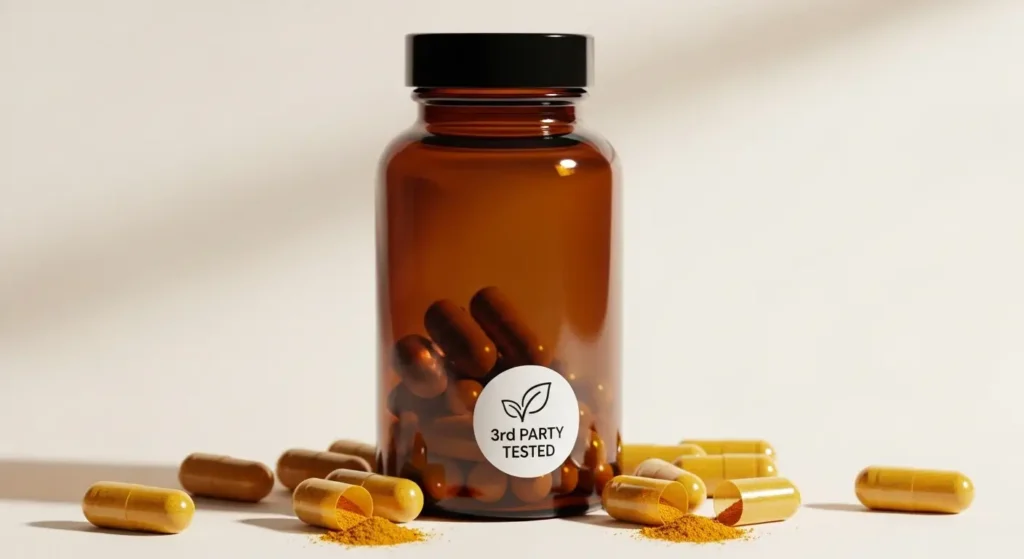
Turmeric Powder/Root:
Best for: Daily cooking, prevention, traditional use
Curcumin Extract Supplements:
Best for: Therapeutic use, specific health conditions, measurable results
Recommendation:
- For cooking/general wellness: Use turmeric powder liberally
- For health conditions: Use curcumin extract supplements with enhanced absorption
- Best approach: Both—cook with turmeric AND supplement with curcumin
See our testing: Best Turmeric Curcumin Supplements
Frequently Asked Questions
How long does it take for turmeric curcumin to work?
Most people notice benefits within 4-8 weeks of consistent daily use. Some effects (like reduced inflammation) begin within days, but maximum benefits for chronic conditions require 2-3 months. Pain relief may occur sooner (2-4 weeks).
Can I take turmeric curcumin every day?
Yes, daily use is safe and recommended for best results. Clinical studies use curcumin daily for months to years without adverse effects. Benefits are cumulative, so consistent long-term use is ideal.
What’s the difference between turmeric and curcumin?
Turmeric is the whole spice (root powder); curcumin is the active compound extracted from turmeric. Turmeric contains only 3-5% curcumin. For therapeutic benefits, concentrated curcumin extracts are more effective than turmeric powder.
Should I take curcumin with black pepper?
Yes, black pepper (piperine) increases curcumin absorption by 2,000%. Most quality supplements include it. If using turmeric powder, add 1/4 teaspoon black pepper per teaspoon turmeric for better absorption.
Can turmeric help with weight loss?
Curcumin may support weight loss by reducing inflammation, improving insulin sensitivity, and potentially increasing fat metabolism. However, it’s not a magic bullet—diet and exercise remain primary. Typical support: 500-1,000 mg curcumin daily as part of comprehensive plan.
Is turmeric good for your liver?
Yes, curcumin has hepatoprotective properties. It reduces liver inflammation, increases glutathione, and protects against fatty liver disease. Studies show benefits for various liver conditions. Dosage: 500-1,000 mg curcumin daily.
Can I take turmeric with other supplements?
Generally yes. Curcumin combines well with ginger, omega-3s, vitamin D, medicinal mushrooms, and most supplements. Be cautious with blood thinners. Space iron supplements 2+ hours apart. Consult healthcare provider about specific combinations.
Does cooking destroy curcumin?
Curcumin is heat-stable but prolonged high heat may reduce potency. Brief cooking (15-20 minutes) is fine and may actually improve absorption by breaking down cell walls. Adding fat during cooking enhances bioavailability.
The Bottom Line on Turmeric Curcumin Benefits
Turmeric curcumin benefits are supported by over 13,000 scientific studies, making it one of the most researched natural compounds in modern medicine. From powerful anti-inflammatory effects to brain health, arthritis relief, and disease prevention, curcumin offers evidence-based health benefits that rival pharmaceutical drugs with excellent safety.
Key Takeaways:
- ✅ Most powerful benefit: Anti-inflammatory effects comparable to ibuprofen
- ✅ Best for: Arthritis, joint pain, brain health, heart health, depression
- ✅ Critical factor: Bioavailability—take with black pepper or enhanced formulations
- ✅ Optimal dose: 500-1,500 mg curcumin extract daily (condition-dependent)
- ✅ Timeline: 4-8 weeks for noticeable benefits, 8-12 weeks for maximum effects
- ✅ Safety: Excellent safety profile even at high doses
- ✅ Long-term use: Safe and beneficial for ongoing daily supplementation
Getting Started:
- Choose curcumin extract (95% curcuminoids) over turmeric powder for therapeutic use
- Look for enhanced bioavailability (piperine, phytosome, or liposomal)
- Start with 500 mg daily and increase to 1,000-1,500 mg as needed
- Take with meals containing fat for best absorption
- Be consistent—benefits build over time
- Give it 6-8 weeks to evaluate effectiveness
Ready to experience turmeric curcumin benefits?
- Best Turmeric Curcumin Supplements Reviewed – Top-rated products tested
- Best Time to Take Turmeric – Optimize your dosing
- Turmeric vs Ginger Comparison – Which is better?
- Anti-Inflammatory Herbs Guide – Explore other options
Looking for complementary natural solutions?
- Ginger Root Benefits – Powerful anti-inflammatory partner
- Boswellia for Joint Health – Excellent for arthritis
- Best Anti-Inflammatory Supplements – Complete review
- Natural Remedies for Inflammation – Comprehensive guide
Medical Disclaimer: This article is for informational purposes only. Turmeric curcumin benefits, dosages, and uses should be discussed with qualified healthcare providers, especially if you have medical conditions, take medications, are pregnant/nursing, or before surgery. Do not use curcumin to replace prescribed treatments.
Last Updated: January 2026