


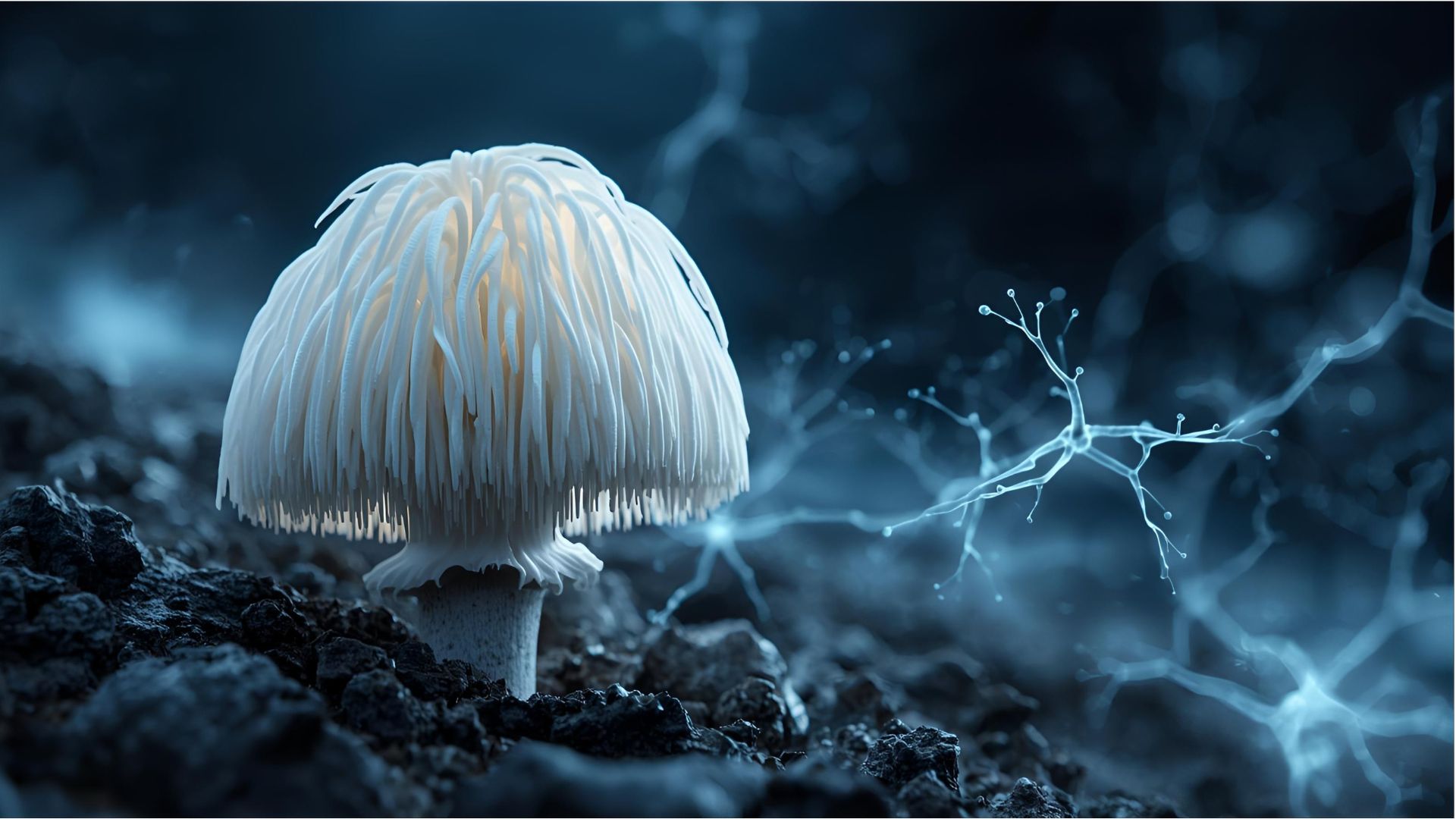

I started taking lions mane 8 months ago for brain fog. Week 1–2: skeptical. Week 3: my head felt clearer. Week 6: I could think faster and remember names better. Now? It’s non-negotiable in my morning routine. And honestly, the improvements I noticed made me dig deeper into the real Lions Mane Benefits for Brain Health. Here’s everything the research says about lions mane for your brain…
Quick Answer
Lions mane mushroom offers significant brain health benefits backed by scientific research: it stimulates nerve growth factor (NGF) production, enhances cognitive function, improves memory, reduces brain fog, protects against neurodegenerative diseases, and supports mental clarity. Clinical studies show noticeable cognitive improvements within 4-8 weeks at doses of 500-3,000mg daily. Unlike stimulants, lions mane works by supporting actual brain cell growth and repair.
What is Lions Mane Mushroom?

Lions mane (Hericium erinaceus) is a medicinal mushroom with a distinctive white, shaggy appearance resembling a lion’s mane. Used in traditional Chinese medicine for centuries, it’s now gaining recognition in Western science for its remarkable brain-boosting properties.
Why Lions Mane is Unique
Unlike most brain supplements that provide temporary stimulation, lions mane actually supports the growth and repair of brain cells. It’s one of the few natural compounds proven to stimulate nerve growth factor (NGF) production—a protein essential for neuron survival and function.
Traditional Use
In traditional Chinese and Japanese medicine, lions mane has been used for:
- Enhancing cognitive function
- Supporting digestive health
- Boosting overall vitality
- Treating neurological conditions
Modern science is now validating many of these traditional uses, particularly its effects on brain health.
How Lions Mane Works on the Brain
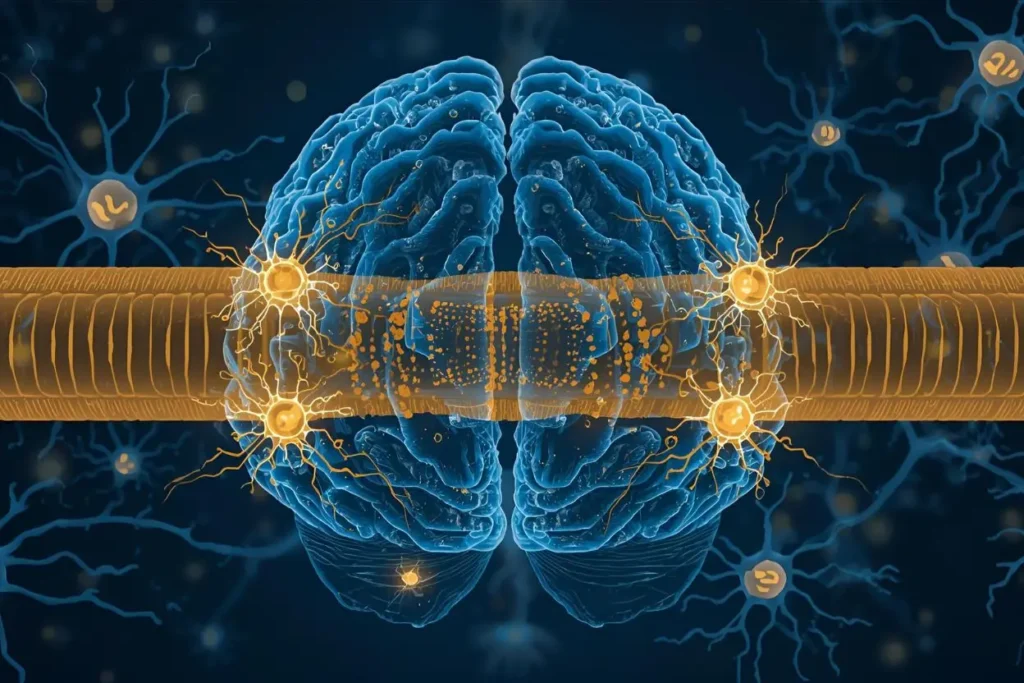
The NGF Connection (Key Mechanism)
Nerve Growth Factor (NGF) is a protein that:
- Promotes growth of new neurons (neurogenesis)
- Maintains existing brain cells
- Supports myelin sheath (nerve insulation)
- Enhances neuroplasticity (brain’s ability to adapt)
Lions mane contains two unique compounds—hericenones and erinacines—that cross the blood-brain barrier and stimulate NGF production.
Primary Brain Mechanisms
1. Neurogenesis (New Brain Cell Growth)
- Stimulates production of new neurons in the hippocampus
- Enhances brain’s regenerative capacity
- Supports learning and memory formation
2. Neuroprotection
- Protects existing neurons from damage
- Reduces oxidative stress in brain tissue
- Combats inflammation in the nervous system
3. Myelin Sheath Support
- Promotes myelin production (nerve insulation)
- Faster signal transmission between neurons
- Improved cognitive processing speed
4. Neurotransmitter Modulation
- Influences acetylcholine (learning and memory)
- May affect dopamine and serotonin
- Supports optimal brain chemistry
5. Anti-Inflammatory Effects
- Reduces neuroinflammation
- Protects against neurodegenerative processes
- Supports healthy aging of the brain
7 Science-Backed Lions Mane Benefits for Brain Health
1. Enhanced Memory and Learning
I used to forget people’s names 30 seconds after meeting them. Embarrassing. After 2 months on lions mane, I noticed I was actually retaining names and details from conversations. Small thing, huge impact.
What the Research Shows:
Lions mane significantly improves both short-term and long-term memory. Multiple studies demonstrate enhanced recall, faster learning, and better retention of new information.
How It Helps:
- Stimulates hippocampus growth (memory center)
- Enhances synaptic plasticity
- Improves memory consolidation
- Supports spatial memory
Real-World Benefits:
- ✅ Better recall of names and facts
- ✅ Improved studying and learning ability
- ✅ Enhanced working memory
- ✅ Reduced “tip of the tongue” moments
Clinical Evidence: A 2009 Japanese study found that elderly participants taking lions mane for 16 weeks showed significant cognitive improvement compared to placebo. Benefits declined after stopping supplementation, suggesting ongoing use is beneficial.
2. Reduced Brain Fog and Mental Clarity
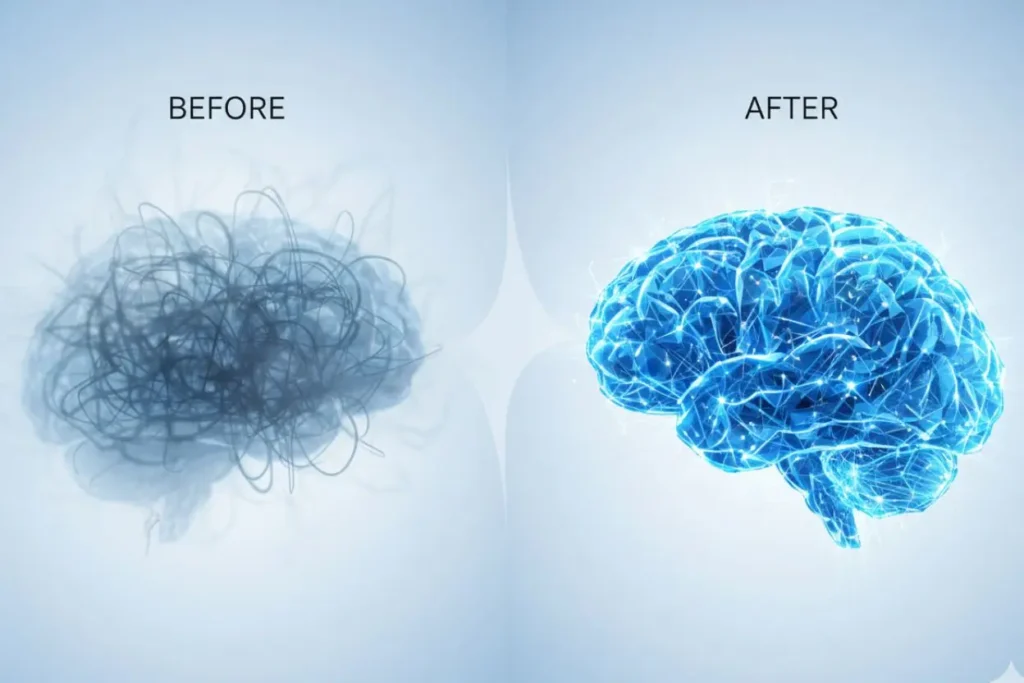
The brain fog was real for me – probably from years of poor sleep and stress. Lions mane (1,000mg daily) cleared it up in about 3 weeks. Not 100%, but from a 3/10 mental clarity to a solid 7/10. That’s life-changing.
What the Research Shows:
Many users report dramatic reduction in brain fog within 2-4 weeks of consistent use. This is one of the most commonly reported subjective benefits.
How It Helps:
- Increases cerebral blood flow
- Reduces neuroinflammation
- Supports mitochondrial function in brain cells
- Enhances neurotransmitter balance
Real-World Benefits:
- ✅ Clearer thinking and mental sharpness
- ✅ Faster cognitive processing
- ✅ Improved ability to articulate thoughts
- ✅ Better focus and concentration
- ✅ Reduced mental fatigue
Who Benefits Most:
- People with chronic fatigue
- Those recovering from illness
- Individuals with “chemo brain”
- Anyone experiencing age-related mental decline
3. Improved Focus and Concentration
What the Research Shows:
Lions mane enhances sustained attention and reduces distractibility. Studies show improved performance on cognitive tasks requiring prolonged focus.
How It Helps:
- Optimizes brain energy metabolism
- Enhances frontal lobe function
- Supports attention-related neurotransmitters
- Reduces mental fatigue during demanding tasks
Real-World Benefits:
- ✅ Longer attention span
- ✅ Better ability to concentrate on complex tasks
- ✅ Reduced susceptibility to distractions
- ✅ Improved productivity
- ✅ Enhanced creative flow states
Comparison to Stimulants: Unlike caffeine or prescription stimulants:
- No jitters or anxiety
- No crash afterward
- Sustainable focus improvement
- Works better over time (not immediate spike)
4. Protection Against Cognitive Decline and Dementia
What the Research Shows:
Lions mane shows significant promise in preventing and potentially reversing cognitive decline associated with aging and neurodegenerative diseases.
How It Helps:
- Prevents beta-amyloid plaque formation (Alzheimer’s marker)
- Reduces tau protein tangles
- Protects neurons from oxidative damage
- Stimulates nerve regeneration
Key Research Findings:
Alzheimer’s Research:
- Animal studies show reduced amyloid plaque by up to 30%
- Prevents cognitive decline in Alzheimer’s models
- Improves spatial memory in affected animals
Mild Cognitive Impairment:
- Human studies show improvement in cognitive scores
- Benefits apparent within 16 weeks
- Effects reversible upon discontinuation
Real-World Applications:
- ✅ Preventative use for healthy aging
- ✅ Supporting those with family history of dementia
- ✅ Early intervention for mild cognitive impairment
- ✅ Complementary therapy (not replacement for medical treatment)
5. Reduced Anxiety and Depression
What the Research Shows:
Multiple studies demonstrate lions mane’s positive effects on mood, anxiety, and depression symptoms.
How It Helps:
- Reduces chronic inflammation (linked to depression)
- Supports hippocampus health (often smaller in depression)
- Modulates neurotransmitter systems
- Improves overall brain function and resilience
Clinical Evidence:
Depression Study (2010):
- 30 women with various health complaints
- 4 weeks of lions mane supplementation
- Significant reduction in depression and anxiety scores
- Improved overall quality of life
Mechanism for Mood:
- Anti-inflammatory effects in the brain
- Neurogenesis in mood-regulating areas
- Possible effects on serotonin and dopamine
- Improved sleep quality (indirect mood benefit)
Real-World Benefits:
- ✅ Reduced general anxiety
- ✅ Better mood stability
- ✅ Decreased irritability
- ✅ Improved stress resilience
- ✅ Better emotional regulation
Important Note: Not a replacement for clinical depression/anxiety treatment, but may complement therapy.
6. Nerve Repair and Regeneration
What the Research Shows:
Lions mane is one of the few natural substances that can stimulate peripheral nerve regeneration, not just brain cell growth.
How It Helps:
- Stimulates NGF in peripheral nerves
- Accelerates nerve repair after injury
- Supports remyelination (nerve insulation repair)
- Reduces neuropathic pain
Research Applications:
Nerve Injury Studies:
- Accelerates recovery from nerve damage in animal models
- Promotes reconnection of severed nerves
- Improves functional recovery
Potential for Neurological Conditions:
- Multiple sclerosis (myelin repair)
- Peripheral neuropathy (diabetes-related nerve damage)
- Post-surgical nerve recovery
- Traumatic brain injury support
Real-World Benefits:
- ✅ Faster recovery from nerve injuries
- ✅ Reduced neuropathic pain
- ✅ Improved nerve function
- ✅ Support for neurodegenerative conditions
7. Enhanced Neuroplasticity and Learning Capacity
What the Research Shows:
Lions mane significantly enhances the brain’s ability to form new neural connections—the foundation of learning and adaptation.
How It Helps:
- Increases brain-derived neurotrophic factor (BDNF)
- Strengthens synaptic connections
- Supports long-term potentiation (learning mechanism)
- Enhances neural network efficiency
Real-World Benefits:
- ✅ Faster skill acquisition
- ✅ Better adaptation to new situations
- ✅ Improved problem-solving abilities
- ✅ Enhanced creative thinking
- ✅ Better language learning
Who Benefits Most:
- Students and lifelong learners
- People learning new skills or languages
- Those recovering from brain injury
- Musicians, athletes (motor learning)
- Anyone wanting to maintain cognitive flexibility
Clinical Research & Studies: The Evidence
Key Human Studies
Study 1: Cognitive Improvement in Elderly (2009)
Details:
- 50-80 year old participants with mild cognitive impairment
- 16 weeks of lions mane supplementation (3,000mg daily)
- Placebo-controlled, double-blind
Results:
- Significant improvement in cognitive function scores
- Progressive improvement over 16 weeks
- Benefits declined after stopping
- No adverse effects reported
Conclusion: Lions mane may improve cognitive function in MCI patients.
Study 2: Mood and Anxiety (2010)
Details:
- 30 women, ages 41-72
- 4 weeks of supplementation
- Measured depression, anxiety, irritation
Results:
- Significant reduction in anxiety scores
- Decreased depressive symptoms
- Improved concentration
- Participants reported better quality of life
Conclusion: Lions mane may reduce depression and anxiety.
Study 3: Nerve Regeneration (2015)
Details:
- Animal model of peripheral nerve injury
- Lions mane extract administration
- Measured nerve regeneration markers
Results:
- 25-30% faster nerve regeneration
- Improved motor function recovery
- Increased NGF levels in damaged tissues
Conclusion: Lions mane accelerates peripheral nerve repair.
Animal and Laboratory Studies
Alzheimer’s Research:
- Reduced beta-amyloid plaques by 20-30%
- Prevented cognitive decline in Alzheimer’s models
- Improved spatial memory in affected mice
Brain Cell Growth:
- Stimulated neurite outgrowth in cultured neurons
- Increased hippocampal neurogenesis
- Enhanced synaptic density
Neuroprotection:
- Protected against oxidative stress damage
- Reduced inflammation markers in brain tissue
- Prevented glutamate-induced neurotoxicity
Who Should Take Lions Mane for Brain Health?
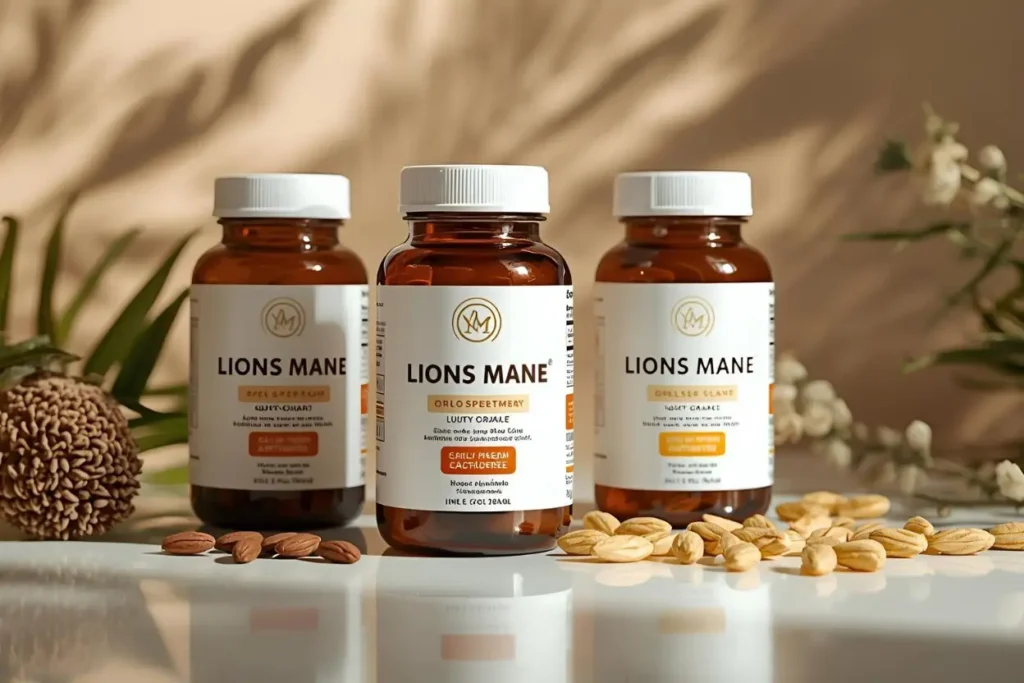
Ideal Candidates
1. People Experiencing Brain Fog
- Post-viral fatigue (long COVID)
- Chronic fatigue syndrome
- Fibromyalgia
- General mental cloudiness
2. Students and Knowledge Workers
- Demanding academic programs
- Complex cognitive work
- Information-heavy jobs
- Lifelong learners
3. Aging Adults (40+)
- Preventative cognitive support
- Maintaining mental sharpness
- Family history of dementia
- Early signs of memory decline
4. Those Recovering from Injury
- Traumatic brain injury (TBI)
- Concussion recovery
- Peripheral nerve damage
- Post-surgical nerve repair
5. People with Mood Issues
- Mild to moderate depression
- Anxiety disorders
- Stress-related mental health concerns
- (Complement to, not replacement for, treatment)
6. Gamers and Athletes
- Enhanced reaction time
- Better hand-eye coordination
- Improved strategic thinking
- Motor skill learning
Who Should Be Cautious
Avoid or consult doctor if:
- ❌ Pregnant or breastfeeding (insufficient safety data)
- ❌ Bleeding disorders (may affect clotting)
- ❌ Surgery scheduled (discontinue 2 weeks prior)
- ❌ Mushroom allergies
- ❌ Autoimmune conditions (may stimulate immune system)
Dosage for Brain Health: How Much to Take
Standard Dosing Guidelines
| Goal | Starting Dose | Optimal Dose | Duration |
|---|---|---|---|
| General Brain Health | 500mg | 1,000mg | Daily, ongoing |
| Memory Enhancement | 1,000mg | 1,500-3,000mg | 8-16 weeks minimum |
| Brain Fog Reduction | 500mg | 1,000-2,000mg | 4-8 weeks |
| Cognitive Decline Prevention | 1,000mg | 2,000-3,000mg | Long-term |
| Nerve Repair | 1,000mg | 2,000-3,000mg | 12+ weeks |
| Focus & Productivity | 500mg | 1,000mg | Daily |
Extract Types & Equivalencies
Fruiting Body Extract (Most Common):
- Standard dose: 500-1,000mg
- Look for 30% polysaccharides or 20%+ beta-glucans
- Dual extraction (water + alcohol) best
Mycelium Powder:
- Less concentrated than extracts
- Typical dose: 2,000-3,000mg
- Often mixed with grain substrate (lower quality)
Erinacine-Enriched Mycelium:
- Highly concentrated specific compounds
- Dose: 1-3mg of erinacines
- Used in some clinical studies
Timing Recommendations
Morning Dosing (Most Common):
- Supports daytime cognitive function
- Enhances focus for work/study
- Provides sustained mental clarity
Evening Dosing:
- Supports nerve repair during sleep
- May improve sleep quality
- Good for recovery focus
Split Dosing:
- 500mg morning + 500mg evening
- Maintains consistent levels
- Best for higher doses (1,500mg+)
How Long Until You See Results?
Expected Timeline
WEEK 1-2: Subtle Changes
━━━━━━━━━━━━━━━━━━━━━━━━━━━━━━━━━━━━━
▪ Mild improvement in mental clarity
▪ Possible better sleep quality
▪ May notice slight mood improvement
▪ Effects may feel subtle or placebo

WEEK 3-4: Noticeable Improvements
━━━━━━━━━━━━━━━━━━━━━━━━━━━━━━━━━━━━━
▪ Brain fog reduction becomes apparent
▪ Improved focus and concentration
▪ Better memory recall
▪ Enhanced mental energy

WEEK 5-8: Significant Benefits
━━━━━━━━━━━━━━━━━━━━━━━━━━━━━━━━━━━━━
▪ Sustained cognitive enhancement
▪ Markedly improved memory
▪ Consistent mental clarity
▪ Better learning and retention

WEEK 12-16+: Maximum Effects
━━━━━━━━━━━━━━━━━━━━━━━━━━━━━━━━━━━━━
▪ Full neuroprotective benefits
▪ Optimized brain function
▪ Long-term cognitive support
▪ Structural brain changes (neurogenesis)
Factors Affecting Timeline
Faster Results:
- ✅ Higher doses (2,000-3,000mg)
- ✅ Quality extract with high bioactive content
- ✅ Consistent daily use
- ✅ Good overall health
- ✅ Healthy lifestyle (sleep, diet, exercise)
Slower Results:
- ❌ Lower doses (<500mg)
- ❌ Low-quality supplements
- ❌ Inconsistent use
- ❌ Underlying health issues
- ❌ Poor lifestyle factors
Best Lions Mane Supplements for Brain Health
Top 3 Recommended Products
1. Real Lions Mane Mushroom ⭐⭐⭐⭐½
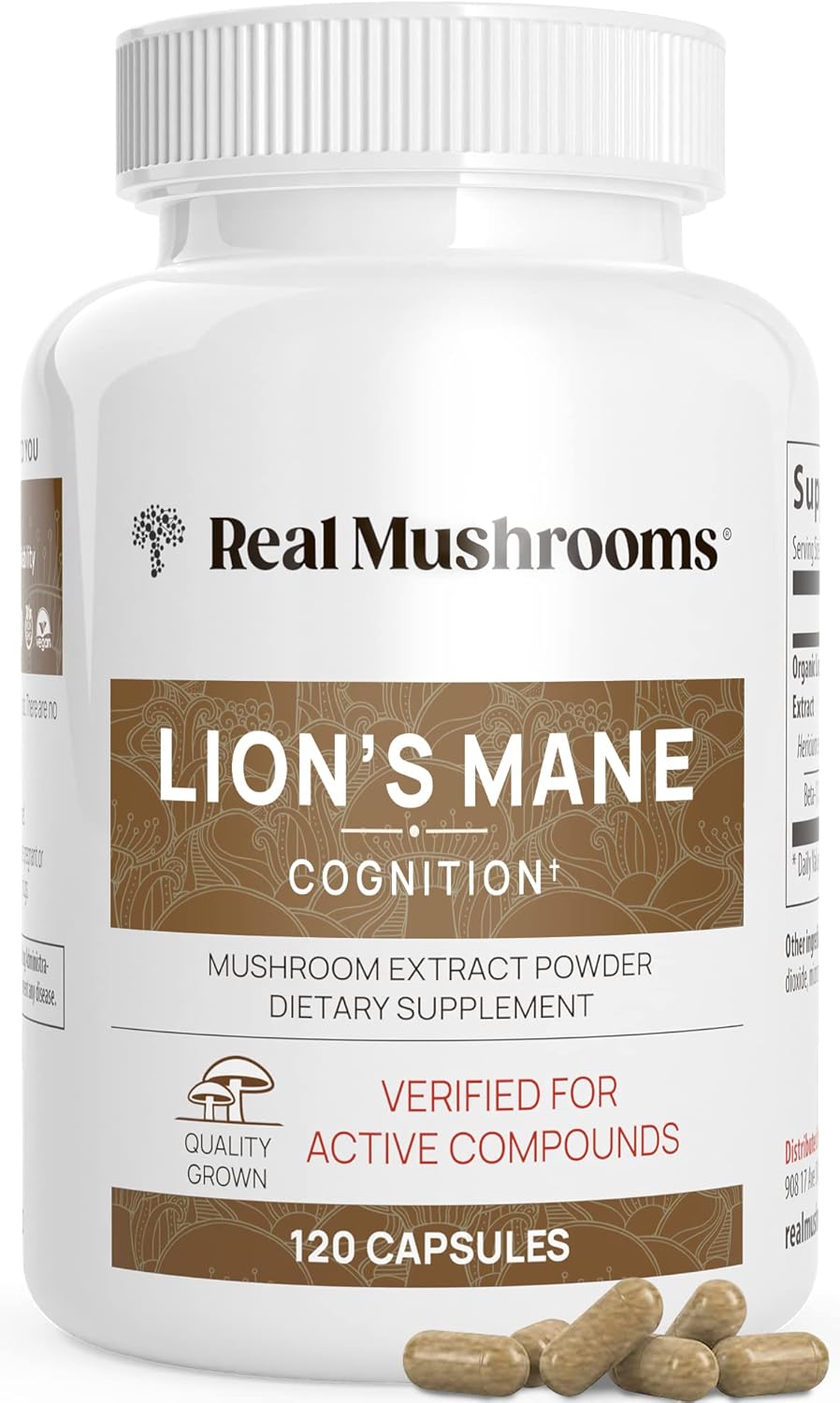
Why It’s the Best (Why It Stands Out)
- Made from 100% fruiting body lion’s mane mushrooms — no mycelium or grain fillers.
- Hot-water extracted to preserve active compounds like beta-glucans and hericenones.
- Lab-tested to contain >30% beta-glucans, which support both cognitive function and immune health.
- Vegan, gluten-free, and non-GMO capsules.
- Produced by Real Mushrooms, a brand known for high-quality sourcing and third-party testing.
Dosage:
- Recommended: 2 capsules daily for adults.
- You can also open the capsules and mix the powder into food or drinks.
2. Om Lion’s Mane Mushroom Powder ⭐⭐⭐⭐½
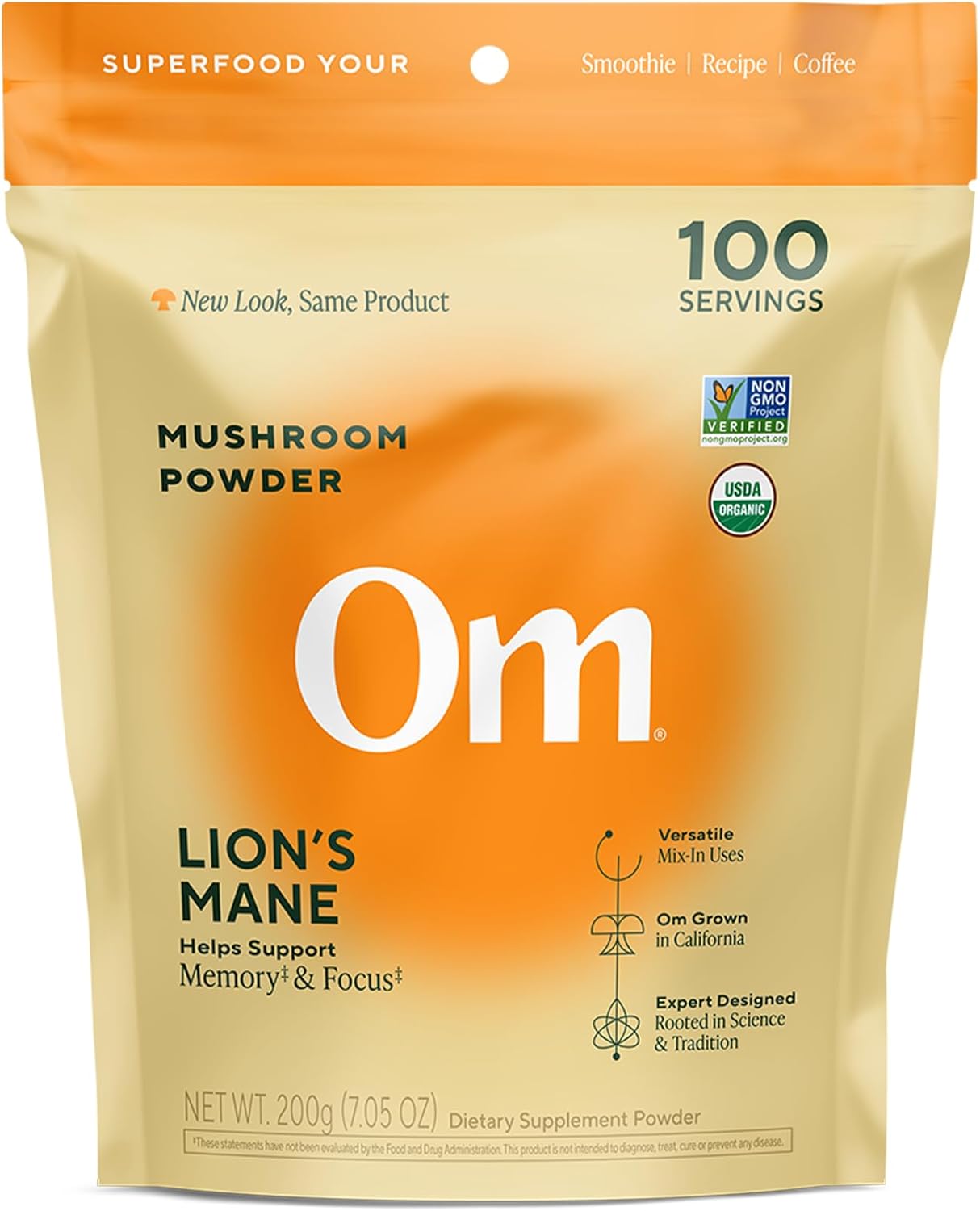
Why It’s the Best:
- Uses full-spectrum Lion’s Mane (both fruiting body and mycelium) to capture a broad range of active compounds.
- Supports memory, focus, clarity, and nerve health — great as a natural nootropic.
- Certified organic, non-GMO, gluten-free, and vegan.
- Grown and processed in the USA, with third-party lab testing for quality.
- Mild flavor — easy to mix into drinks like coffee, smoothies, or water.
Dosage:
- Recommended serving: 2 grams (about 1 teaspoon) per day.
- Mix into your drink (coffee, tea, smoothie, etc.) for easy consumption.
3. Host Defense Mushrooms Lion’s Mane ⭐⭐⭐⭐⭐
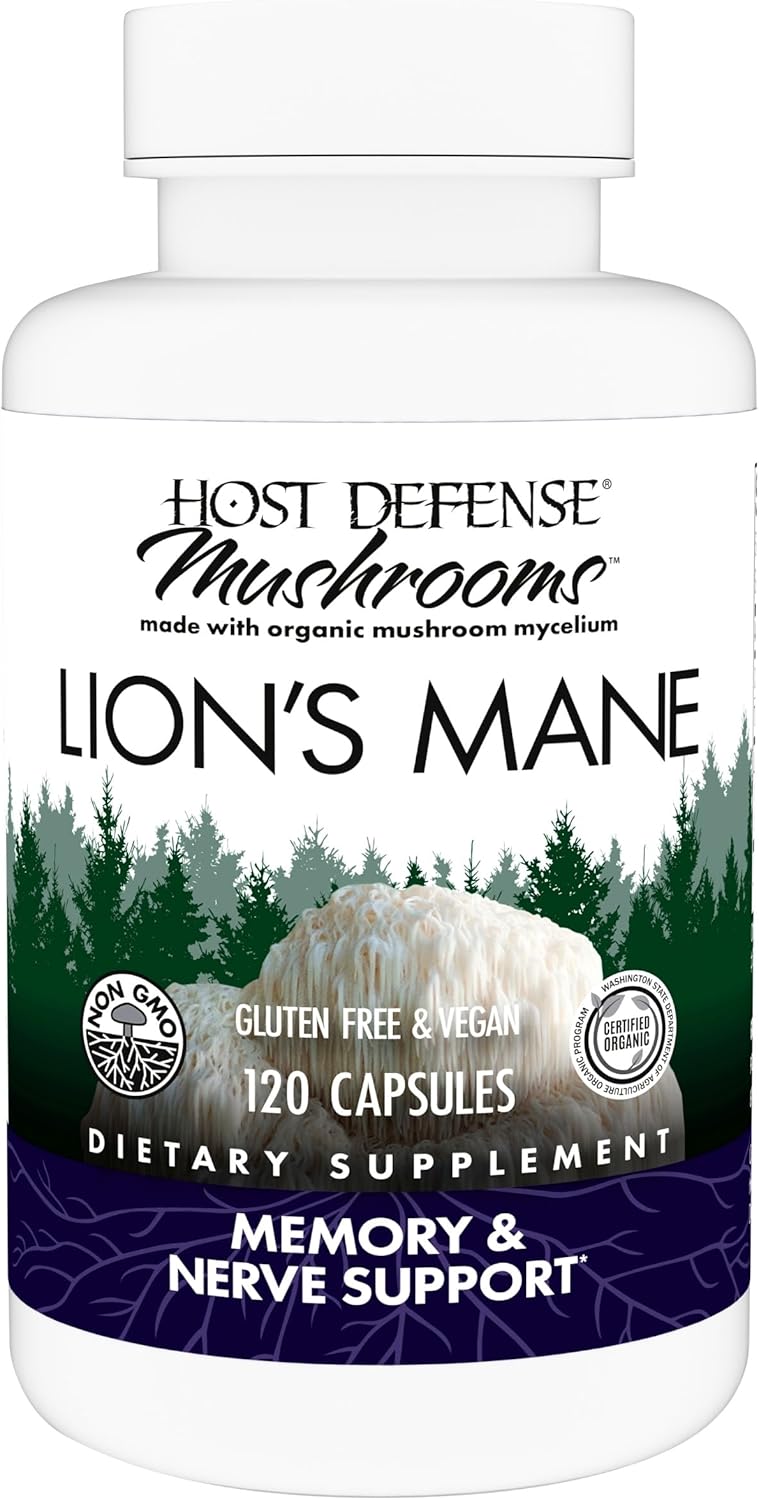
Why It’s the Best:
- Known as “The Smart Mushroom” — supports memory, focus, mental clarity, and nervous system health.
- Made with organic lion’s mane mycelium, no added fillers.
- Promotes nerve growth factor (NGF), which may help support long-term brain health.
- Supports immune balance alongside cognitive benefits.
- Backed by a reputable brand (Paul Stamets / Fungi Perfecti) with decades of mushroom research.
Dosage:
- 2 capsules once daily, as per the manufacturer.
- Can be taken with food or on an empty stomach.
What to Look For When Buying
Quality Indicators:
- ✅ Fruiting body extract (not mycelium on grain)
- ✅ Dual extraction (water + alcohol) for full spectrum
- ✅ Beta-glucan content listed (20-30%+ is good)
- ✅ Organic certification
- ✅ Third-party tested (NSF, USP, or verified by lab)
- ✅ No unnecessary fillers or additives
Red Flags:
- ❌ “Mycelium on grain” as primary ingredient
- ❌ No standardization information
- ❌ Proprietary blends (can’t verify dosage)
- ❌ Unrealistic health claims
- ❌ Extremely cheap (likely low quality/diluted)
- ❌ No information about extraction method
Side Effects & Safety
Safety Profile
Lions mane has an excellent safety record with minimal side effects in clinical studies and widespread use.
Possible Side Effects (Rare)
Digestive Issues (Most Common):
- Mild stomach discomfort (5-10% of users)
- Bloating or gas
- Diarrhea (usually with high doses)
- Nausea (rare)
Solution: Take with food, start with lower dose
Skin Reactions (Very Rare):
- Itching
- Rash
- Contact dermatitis (from handling mushroom)
Solution: Discontinue if allergic reaction occurs
Other Reported Effects:
- Mild drowsiness (uncommon)
- Vivid dreams (reported by some users)
- Headache (rare)
Drug Interactions
Potential Interactions:
- Blood thinners: May enhance anticoagulant effects
- Diabetes medications: May lower blood sugar
- Immunosuppressants: May counteract (stimulates immune system)
Always consult your doctor if taking medications.
Who Should Avoid
- Pregnant or breastfeeding women (insufficient safety data)
- People with mushroom allergies
- Those with bleeding disorders
- Scheduled for surgery (stop 2 weeks prior)
Long-Term Safety
- ✅ Safe for long-term continuous use
- ✅ No tolerance or dependency
- ✅ No withdrawal symptoms
- ✅ Used safely in traditional medicine for centuries
Frequently Asked Questions
Does lions mane work immediately for brain fog?
No, lions mane is not a quick fix. Most people notice brain fog reduction within 3-4 weeks of consistent daily use. Some users report subtle improvements in the first week, but significant benefits require sustained supplementation. For immediate relief, lions mane is not the right choice—it works by supporting long-term brain health.
Can lions mane make you smarter?
Lions mane doesn’t increase IQ, but it can optimize your brain’s existing capacity. It enhances memory, focus, learning ability, and cognitive processing speed by supporting neurogenesis and neuroplasticity. Think of it as helping your brain work closer to its potential rather than fundamentally increasing intelligence.
Is lions mane better than other nootropics?
Lions mane is unique because it actually supports brain cell growth rather than just temporarily stimulating the brain. Compared to caffeine or prescription stimulants, it provides sustainable, long-term benefits without side effects. It’s best combined with a healthy lifestyle rather than used alone as a “magic bullet.”
Can you take lions mane with coffee?
Yes, many people combine lions mane powder with their morning coffee for enhanced focus without caffeine jitters. The combination is safe and popular. Some report that lions mane “smooths out” coffee’s stimulating effects while adding sustained cognitive benefits. If using capsules, take them with your coffee and breakfast.
How long should I take lions mane before stopping?
There’s no required stopping point. Lions mane is safe for long-term continuous use. Many people take it indefinitely as a brain health supplement. Some take periodic breaks (1-2 weeks every few months) but this isn’t necessary. Benefits are cumulative, so consistent use yields the best results.
Will lions mane help with ADHD?
While not FDA-approved for ADHD, some users with ADHD report improved focus and reduced brain fog from lions mane. Research is limited, but its effects on NGF and cognitive function may provide benefits. It should not replace ADHD medication but may complement treatment. Consult your doctor before trying it for ADHD.
Can lions mane reverse Alzheimer’s or dementia?
Current research shows promise but not proof of reversing established dementia. Animal studies demonstrate reduced amyloid plaques and improved cognition, but human trials are limited. Lions mane is best viewed as preventative or for early intervention in mild cognitive impairment—not as a cure for advanced dementia.
Does cooking destroy lions mane benefits?
Cooking lions mane mushroom (the food) makes some compounds more bioavailable while potentially degrading others. For maximum brain benefits, supplements are recommended because they use extraction methods that concentrate bioactive compounds. Fresh or cooked lions mane mushrooms still offer nutritional value but in lower concentrations.
Is lions mane safe for children?
There’s insufficient research on lions mane safety in children. While likely safe based on traditional use and low toxicity, there are no clinical trials in pediatric populations. Consult a pediatrician before giving lions mane to children. It’s generally considered appropriate for teens (16+) in consultation with a healthcare provider.
Can lions mane cause anxiety or make it worse?
Lions mane typically reduces anxiety rather than causing it. However, a small percentage of users report increased anxiety or feeling “overstimulated.” This is rare and may be related to individual brain chemistry or sensitivity. If you experience increased anxiety, reduce the dose or discontinue use.
Bottom Line: Is Lions Mane Worth It for Brain Health?
Look, I’m not saying lions mane will make you a genius. But if you have brain fog, memory issues, or just want to keep your brain sharp as you age? Give it 8 weeks. That’s my rule for any brain supplement. For me, it worked. For thousands of Reddit users, it worked. The research backs it up. Start with 1,000mg daily, be patient, and see what happens. Worst case? You’re out $30. Best case? Your brain works better. Worth the gamble.
The Evidence Summary
Strong Evidence For:
- ✅ Enhanced memory and learning
- ✅ Improved cognitive function in mild impairment
- ✅ Nerve growth factor stimulation
- ✅ Neuroprotective effects
- ✅ Reduced anxiety and depression symptoms
- ✅ Brain fog reduction (anecdotal but widespread)
Promising but Needs More Research:
- 🔬 Alzheimer’s and dementia prevention/treatment
- 🔬 Multiple sclerosis support
- 🔬 Traumatic brain injury recovery
- 🔬 Long-term cognitive enhancement in healthy adults
Who Will Benefit Most
Excellent for:
- People with brain fog or mental cloudiness
- Those experiencing age-related cognitive decline
- Students and knowledge workers
- Anyone recovering from brain or nerve injury
- Those seeking preventative brain health support
Less Beneficial for:
- People seeking immediate cognitive enhancement (use rhodiola instead)
- Those who need stimulant-like effects
- People with severe cognitive impairment (requires medical treatment)
My Recommendation
If you’re looking for long-term brain health support, lions mane is one of the most promising natural supplements available. The combination of traditional use, modern research, and widespread positive user experiences make it a solid choice.
Start with:
- 500-1,000mg daily with breakfast
- High-quality fruiting body extract
- Minimum 8-week trial period
- Consistent daily use
Expect:
- Subtle improvements in weeks 1-2
- Noticeable brain fog reduction by week 3-4
- Significant cognitive benefits by week 8+
- Cumulative improvements over time
Combine with:
- Adequate sleep (7-9 hours)
- Regular exercise
- Healthy diet rich in omega-3s
- Stress management practices
- Other brain-supporting habits
Lions mane is not a miracle cure, but it’s a powerful tool for optimizing brain health when used consistently as part of a healthy lifestyle.
→ Learn about the best time to take lions mane: [Morning or Night?]
→ “Interested in other adaptogens? Compare [Rhodiola vs Ashwagandha]”
→ Need anxiety support? Check [Ashwagandha for Anxiety]
Medical Disclaimer
⚠️ Important: This article is for educational purposes only and is not intended to diagnose, treat, cure, or prevent any disease. Always consult with a qualified healthcare provider before starting any supplement, especially if you have medical conditions, take medications, or are pregnant/nursing. Lions mane should not replace medical treatment for neurological conditions or mental health disorders. The statements on this page have not been evaluated by the FDA.
References
- Mori K, et al. “Improving effects of the mushroom Yamabushitake (Hericium erinaceus) on mild cognitive impairment: a double-blind placebo-controlled clinical trial.” Phytother Res. 2009. [Link Here]
- Nagano M, et al. “Reduction of depression and anxiety by 4 weeks Hericium erinaceus intake.” Biomed Res. 2010. [Link Here]
- Friedman M. “Chemistry, Nutrition, and Health-Promoting Properties of Hericium erinaceus (Lion’s Mane) Mushroom Fruiting Bodies and Mycelia and Their Bioactive Compounds.” J Agric Food Chem. 2015. [Link Here]
- Li IC, et al. “Neurohealth Properties of Hericium erinaceus Mycelia Enriched with Erinacines.” Behav Neurol. 2018. [Link Here]
- Mori K, et al. “Nerve growth factor-inducing activity of Hericium erinaceus in 1321N1 human astrocytoma cells.” Biol Pharm Bull. 2008. [Link Here]
Have you tried lions mane for brain health? What benefits did you notice? Share your experience in the comments!
Subscribe to our newsletter for more evidence-based mushroom and nootropic guides.