



Boswellia serrata benefits, particularly for joint health and arthritis, have made this ancient resin—also known as Indian frankincense—one of the most researched natural anti-inflammatory compounds. With a unique mechanism that differs from common herbs and NSAIDs, boswellia offers powerful relief for joint pain, inflammatory conditions, and more.
This comprehensive guide explores boswellia benefits backed by clinical research, how boswellic acids (especially AKBA) work, optimal dosages, comparisons with other anti-inflammatory herbs, and how to choose quality supplements.
Key Takeaway: Boswellia serrata contains boswellic acids that uniquely inhibit 5-LOX enzyme (blocking inflammatory leukotrienes) without affecting COX enzymes. Clinical studies show 50-70% improvement in arthritis symptoms, making it one of the most effective natural treatments for joint health with excellent long-term safety.
What Is Boswellia Serrata?

Boswellia serrata is a tree native to India, the Middle East, and North Africa that produces a fragrant resin known as Indian frankincense or salai guggul. This resin has been used in Ayurvedic medicine for over 3,000 years to treat inflammatory conditions.
The Boswellia Tree and Resin
Botanical Details:
- Scientific name: Boswellia serrata
- Family: Burseraceae
- Native regions: India (particularly dry mountainous regions)
- Related species: Boswellia carterii (frankincense essential oil)
Resin Extraction:
- Obtained by making incisions in tree bark
- Sap hardens into tear-shaped resin droplets
- Collected and processed for medicinal use
- Has been traded for millennia (gift of the Magi)
Active Compounds: Boswellic Acids
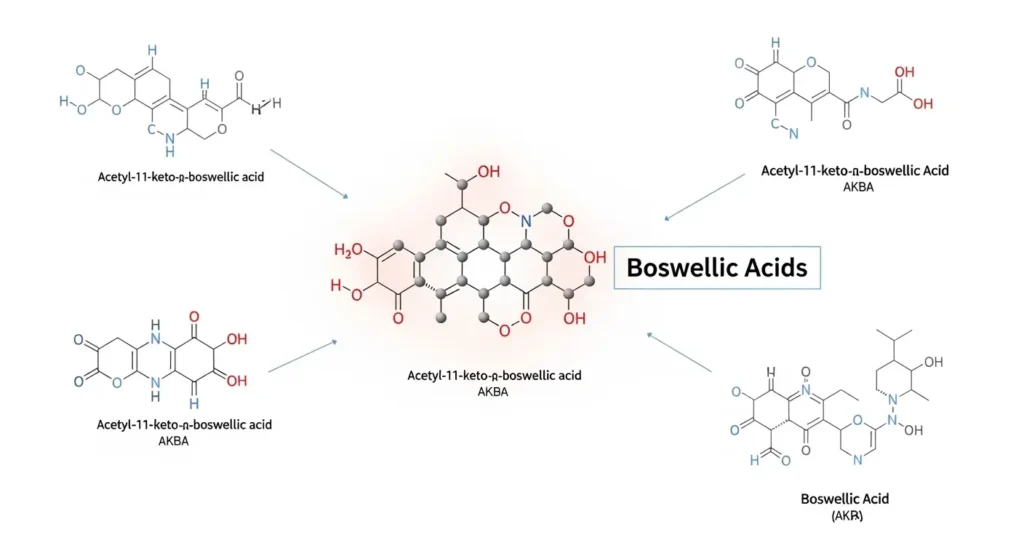
Boswellia benefits come primarily from boswellic acids, a group of pentacyclic triterpene compounds.
Key Boswellic Acids:
AKBA (Acetyl-11-keto-β-boswellic acid):
- Most potent anti-inflammatory compound
- 5-LOX enzyme inhibitor (unique mechanism)
- Found in 1-3% of raw resin
- Standardized extracts concentrate to 10-30% AKBA
KBA (11-keto-β-boswellic acid):
- Second most important compound
- Also inhibits 5-LOX
- Anti-inflammatory and analgesic
Other Boswellic Acids:
- β-boswellic acid
- Acetyl-β-boswellic acid
- Multiple supporting compounds
Why AKBA Matters: Research from Phytomedicine shows AKBA is the primary active compound responsible for boswellia’s anti-inflammatory effects. Quality supplements should be standardized to AKBA content.
10 Science-Backed Boswellia Benefits
1. Powerful Relief for Osteoarthritis ⭐ PRIMARY BENEFIT
Clinical Evidence:
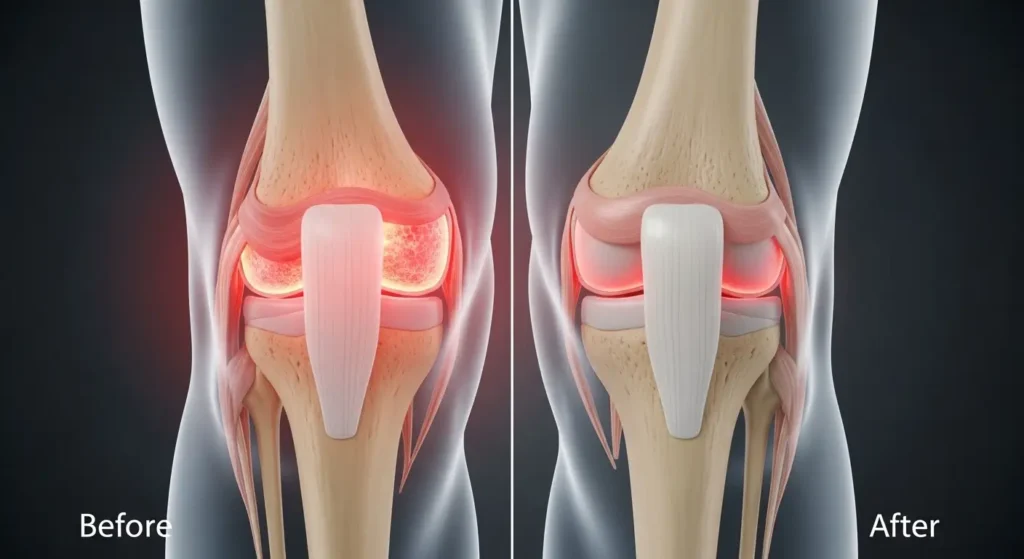
Boswellia benefits for osteoarthritis are among the most well-documented, with multiple clinical trials showing significant improvements.
Key Studies:
Knee Osteoarthritis:
- Study (2003): 333mg boswellia extract 3x daily reduced pain by 65% in 8 weeks
- Participants showed 50-70% improvement in pain, stiffness, and function
- Effects comparable to common arthritis medications
- Research in Phytomedicine confirms effectiveness
Multiple Joint Osteoarthritis:
- Study: 100mg AKBA-enriched boswellia showed significant improvement
- Reduced cartilage breakdown markers
- Improved physical function scores
- Well-tolerated with minimal side effects
Mechanism:
- Inhibits 5-LOX enzyme (blocks leukotriene synthesis)
- Reduces inflammatory cytokines in joints
- Protects cartilage from degradation
- May slow disease progression
Timeline: Most patients notice improvement within 4-8 weeks, with maximum benefits at 8-12 weeks of consistent use.
Dosage for Osteoarthritis: 300-500mg boswellia extract (standardized to 30-65% boswellic acids, with AKBA) 2-3 times daily = 900-1,500mg total daily
2. Reduces Rheumatoid Arthritis Symptoms

Autoimmune Joint Inflammation:
While osteoarthritis research is more extensive, boswellia benefits extend to rheumatoid arthritis (RA), an autoimmune condition.
Clinical Evidence:
- Study: Boswellia extract improved RA symptoms in 70% of patients
- Reduced morning stiffness duration
- Improved grip strength and joint swelling
- May work as adjunct to conventional RA therapy
Mechanisms:
- Modulates overactive immune responses
- Reduces inflammatory cytokines (TNF-α, IL-1β, IL-6)
- Anti-inflammatory for synovial tissue
- May reduce need for NSAIDs
Important: Should complement, not replace, disease-modifying antirheumatic drugs (DMARDs). Always coordinate with rheumatologist.
Research from International Journal of Medical Sciences demonstrates significant symptom improvement.
Dosage for RA: 900-1,200mg daily (under medical supervision)
3. Powerful Anti-Inflammatory Effects
Unique Mechanism:
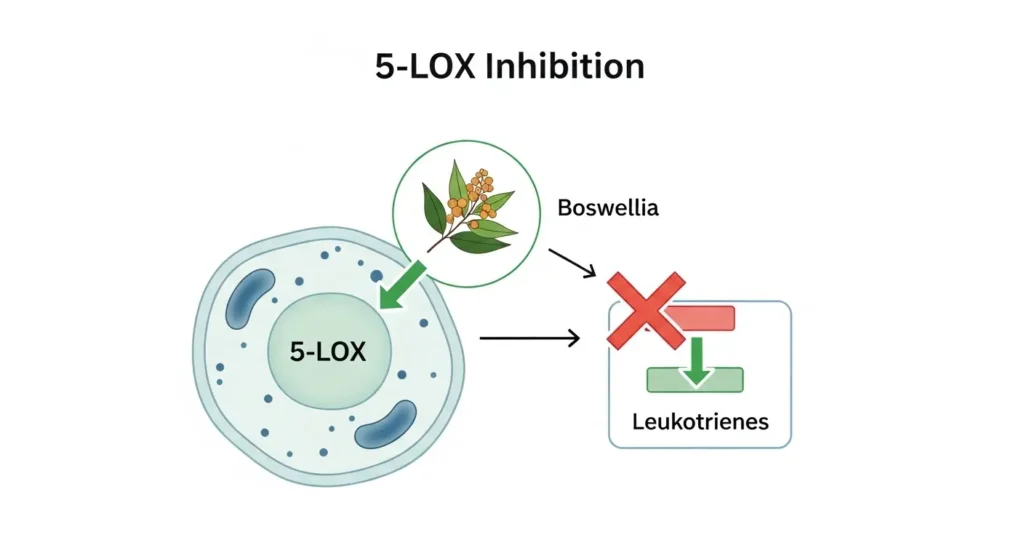
Boswellia’s anti-inflammatory action differs from other herbs and NSAIDs, making it particularly valuable.
How Boswellia Works Differently:
✅ 5-LOX Inhibition (Primary):
- Blocks 5-lipoxygenase enzyme
- Prevents leukotriene synthesis (powerful inflammatory molecules)
- Different pathway than COX inhibitors (NSAIDs)
- No gastric side effects like NSAIDs
✅ Does NOT Inhibit COX:
- Unlike NSAIDs that block COX-1 and COX-2
- Preserves protective prostaglandins in stomach
- Better gastrointestinal safety profile
- Can be combined with other anti-inflammatories
✅ Additional Anti-Inflammatory Actions:
- Reduces NF-κB activation (inflammatory gene expression)
- Inhibits pro-inflammatory cytokines
- Protects against oxidative stress
- Reduces tissue inflammation markers
Clinical Results:
- Reduces inflammatory markers (CRP, ESR) by 20-40%
- Decreases white blood cell infiltration in inflamed tissues
- Provides sustained anti-inflammatory effects
Study in Planta Medica confirms boswellia’s unique 5-LOX inhibition mechanism.
For comprehensive anti-inflammatory herb comparison, see our anti-inflammatory herbs guide.
4. Supports Inflammatory Bowel Disease (IBD)
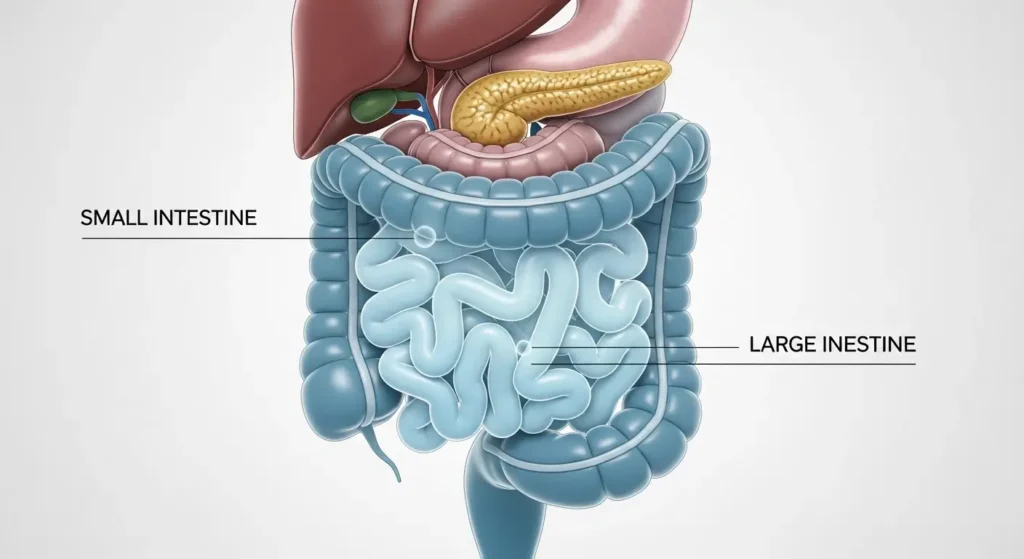
Crohn’s Disease and Ulcerative Colitis:
Boswellia benefits extend to digestive inflammatory conditions, with promising clinical research.
Clinical Evidence:
Ulcerative Colitis:
- Study: 900mg boswellia 3x daily (2,700mg total) improved symptoms in 70-82% of patients
- Achieved remission rates comparable to sulfasalazine (standard medication)
- Reduced intestinal inflammation markers
- Well-tolerated for long-term use
Crohn’s Disease:
- Study: 1,200-1,800mg daily reduced disease activity
- Improved quality of life scores
- May help maintain remission
- Fewer side effects than conventional medications
Mechanisms:
- Reduces intestinal inflammation
- Protects gut lining integrity
- Modulates immune responses in gut
- May heal inflammatory lesions
Research from European Journal of Medical Research shows significant improvements in IBD patients.
Important: Should be used as complementary therapy under gastroenterologist supervision, not as replacement for conventional treatment.
Dosage for IBD: 900-1,200mg 3x daily (2,700-3,600mg total) under medical supervision
5. May Help Asthma and Respiratory Inflammation
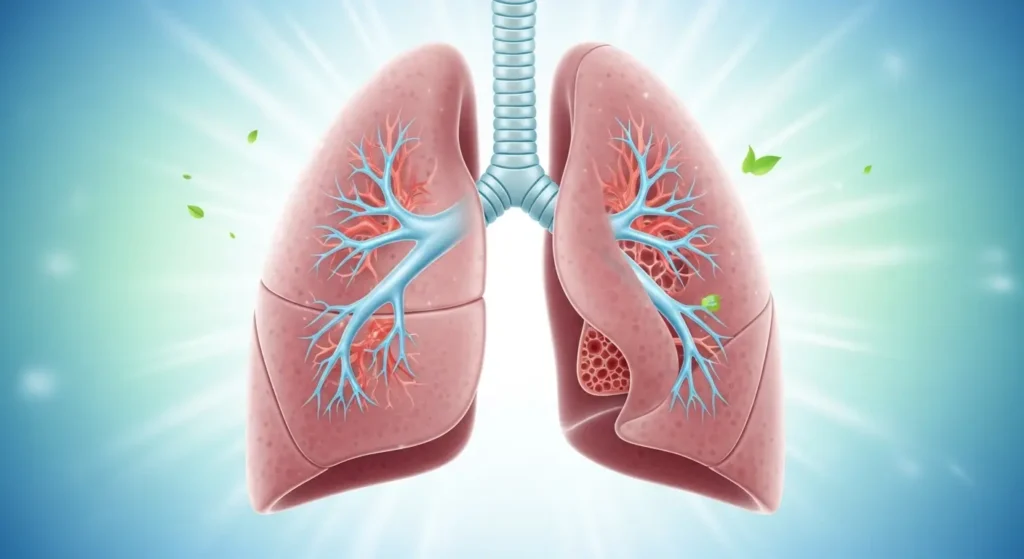
Airway Inflammation:
Boswellia’s anti-inflammatory effects benefit respiratory conditions, particularly asthma.
Clinical Evidence:
- Study: 300mg boswellia 3x daily reduced asthma symptoms in 70% of patients
- Decreased frequency of attacks
- Improved lung function tests (FEV1)
- Reduced need for rescue inhalers
Mechanisms:
- Inhibits leukotrienes (major asthma mediators)
- Reduces airway inflammation and constriction
- Decreases bronchial hyperresponsiveness
- May improve long-term lung function
Traditional Use: Ayurvedic medicine has used boswellia for respiratory conditions for millennia.
Dosage for Asthma: 300-400mg 3x daily (900-1,200mg total) under medical supervision
Important: Should complement, not replace, asthma medications. Never discontinue prescribed inhalers without medical approval.
6. Supports Brain Health and Reduces Neuroinflammation

Neuroprotective Properties:
Emerging research shows boswellia benefits include protection against brain inflammation and cognitive decline.
Mechanisms:
- Crosses blood-brain barrier (boswellic acids)
- Reduces neuroinflammation
- Protects neurons from oxidative damage
- May preserve brain cell integrity
Potential Benefits:
- Protection against age-related cognitive decline
- May help neurodegenerative conditions
- Reduces inflammatory markers in brain
- Supports healthy brain aging
Research:
- Animal studies show neuroprotective effects
- May help conditions with neuroinflammatory component
- Human clinical trials for brain health ongoing
Study in Molecular Nutrition & Food Research demonstrates brain anti-inflammatory effects.
For complementary brain support, see lions mane mushroom benefits.
Dosage: 400-800mg daily (emerging research)
7. May Support Cancer Treatment (Adjunctive)
Disclaimer: Boswellia should NEVER replace conventional cancer treatment. Research suggests potential complementary benefits.
Laboratory and Animal Research:
Anti-Cancer Mechanisms:
- Induces apoptosis (cancer cell death)
- Inhibits angiogenesis (tumor blood vessel formation)
- Reduces tumor-promoting inflammation
- May enhance chemotherapy effectiveness
Cancers Studied:
- Brain tumors (glioblastoma)
- Colon cancer
- Breast cancer
- Leukemia
Clinical Evidence:
- Small study: Boswellia reduced brain tumor edema (swelling)
- May improve quality of life during cancer treatment
- Reduces inflammation associated with tumors
Status: Promising preliminary research, needs more human clinical trials
Research from Cancer Letters shows anti-tumor activity in studies.
8. Improves Skin Health and Conditions

Dermatological Benefits:
Boswellia benefits include skin anti-inflammatory and healing properties.
Skin Conditions Helped:
Psoriasis:
- Reduces skin inflammation and plaque formation
- May decrease scaling and redness
- Improves skin barrier function
- Both topical and oral use show benefits
Eczema/Atopic Dermatitis:
- Anti-inflammatory for skin
- Reduces itching and irritation
- May improve chronic skin conditions
Wound Healing:
- Supports tissue repair
- Anti-inflammatory aids healing
- Traditional use for cuts and abrasions
Photo-Aging:
- Antioxidant protection
- May reduce UV damage
- Anti-inflammatory for sun-damaged skin
Forms: Both oral supplements and topical boswellia creams available
9. Supports Healthy Immune Function
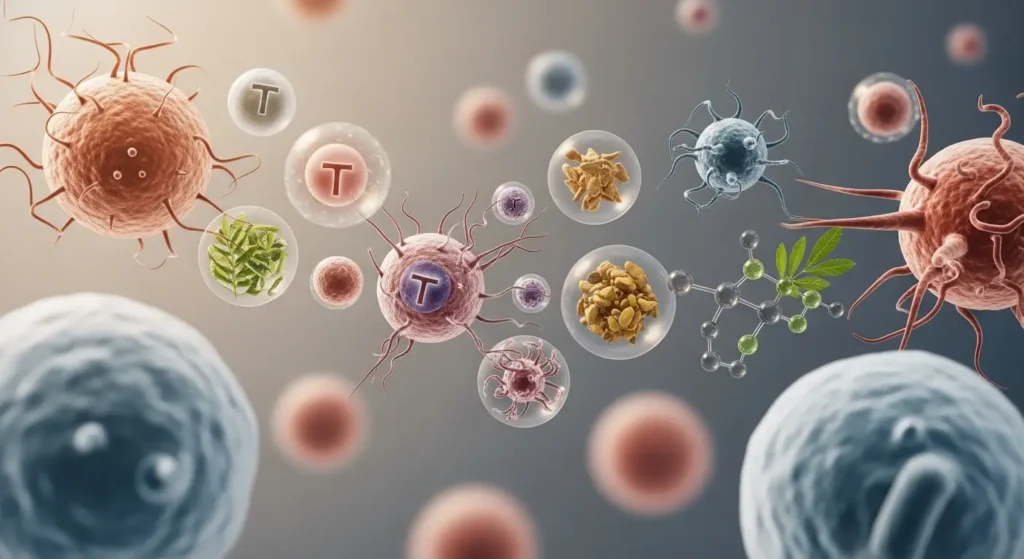
Immune Modulation:
Boswellia doesn’t simply “boost” immunity—it helps balance immune responses.
How It Helps:
- Modulates overactive immune responses (autoimmune)
- Supports appropriate immune function
- Reduces excessive inflammation from immune activation
- May help immune-related conditions
Benefits:
- Better for autoimmune conditions than immune stimulants
- Balances rather than overstimulates
- Anti-inflammatory supports healthy immunity
- Safe for long-term immune support
For additional immune support, explore turkey tail mushroom benefits.
10. May Support Metabolic Health
Emerging Evidence:
Recent research suggests boswellia benefits include metabolic support.
Potential Metabolic Benefits:
- May improve insulin sensitivity
- Reduces metabolic inflammation
- Could support healthy blood sugar
- Anti-inflammatory for metabolic syndrome
Mechanisms:
- Reduces inflammatory markers associated with metabolic disease
- May improve insulin signaling
- Antioxidant protection for metabolic tissues
Status: Preliminary research, more human studies needed
Boswellia vs Other Anti-Inflammatory Herbs
Boswellia vs Turmeric
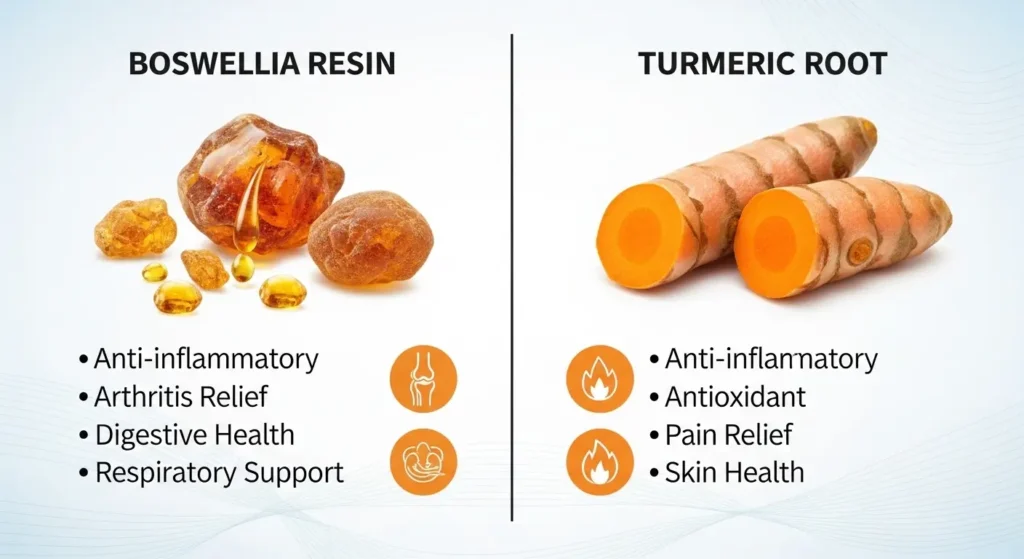
Boswellia Advantages:
- ✅ Unique mechanism (5-LOX vs COX inhibition)
- ✅ Specifically excellent for joints
- ✅ Better gastrointestinal safety
- ✅ Can be combined with turmeric for synergy
- ✅ No bioavailability enhancement needed (works as-is)
Turmeric Advantages:
- ✅ More powerful overall anti-inflammatory
- ✅ More extensive research (13,000+ studies)
- ✅ Broader health benefits (brain, heart, metabolic)
- ✅ Better for chronic systemic inflammation
Best Approach: Combine both—they work through different pathways. Many supplements include both.
See detailed comparison: Turmeric Curcumin Benefits
Boswellia vs Ginger
Boswellia Advantages:
- ✅ More specific for joint conditions
- ✅ Stronger for chronic arthritis
- ✅ Unique 5-LOX mechanism
- ✅ Better for inflammatory diseases (IBD, asthma)
Ginger Advantages:
- ✅ Superior for nausea and digestive upset
- ✅ Faster acting for acute pain
- ✅ Better for muscle soreness
- ✅ More pleasant taste, easier to consume fresh
Best Approach: Use both if addressing multiple issues—boswellia for joints, ginger for digestion and acute pain.
See detailed comparison: Ginger Root Benefits
How to Choose Quality Boswellia Supplements
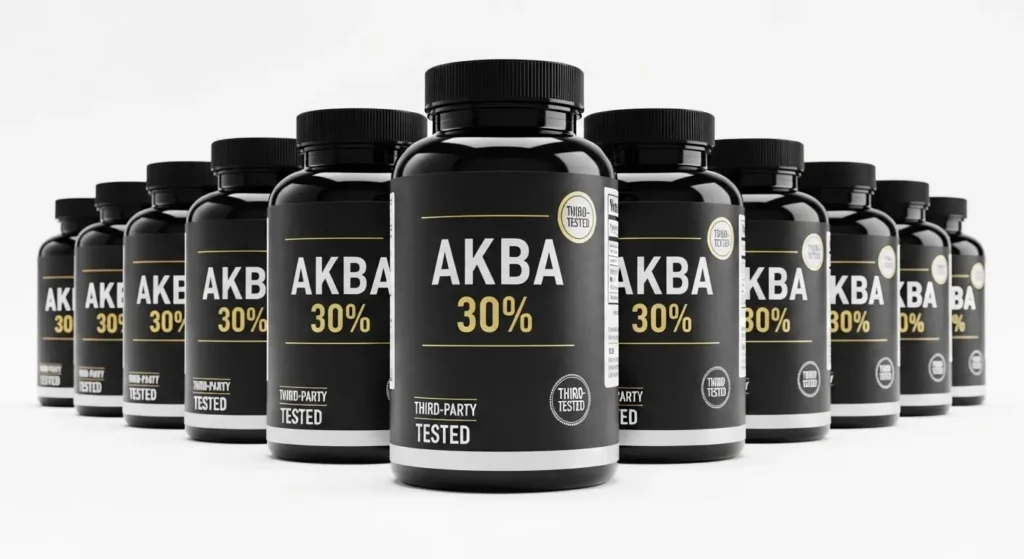
1. AKBA Content (Most Important)
Why AKBA Matters: AKBA is the most potent anti-inflammatory boswellic acid. Quality supplements should specify AKBA content.
What to Look For:
- Minimum 10% AKBA (good)
- 20-30% AKBA (excellent)
- “AKBA-enriched” or “AKBA-standardized” on label
- ApresFlex® or 5-LOXIN® (patented high-AKBA extracts)
Avoid: Products that only list “boswellic acids” without specifying AKBA content
2. Total Boswellic Acid Standardization
Standard Concentrations:
- 30-65% total boswellic acids (minimum)
- 65%+ total boswellic acids (excellent)
- Higher concentrations = more potent effects
3. Extraction Method
Alcohol-Based Extraction:
- Most common and effective
- Concentrates boswellic acids
- Removes non-active gum and resin components
Supercritical CO2 Extraction:
- Advanced method preserving more compounds
- Often produces higher AKBA content
- More expensive but very effective
4. Third-Party Testing
Verification:
- Heavy metal testing
- Pesticide screening
- Authenticity verification (not adulterated)
- Potency confirmation
Certifications:
- USP Verified
- NSF Certified
- GMP manufactured
- Organic (when available)
5. Patented Extracts (High Quality)
ApresFlex®:
- 20% AKBA content
- Enhanced bioavailability
- Clinical research backing
- Fast-acting (5-7 days)
5-LOXIN®:
- 30% AKBA content
- Highest AKBA standardization
- Extensively studied
- Most potent option
BosWellin®:
- 30% AKBA + other boswellic acids
- Multiple clinical studies
- Excellent quality
Boswellia Dosage: How Much to Take
Dosage by Condition
| Condition | Boswellia Dose | AKBA Content | Frequency |
|---|---|---|---|
| Osteoarthritis | 300-500mg | 30-65% boswellic acids | 2-3x daily (900-1,500mg total) |
| Rheumatoid Arthritis | 400-500mg | 30-65% boswellic acids | 2-3x daily (1,200-1,500mg total) |
| IBD (Crohn’s, UC) | 900-1,200mg | 65% boswellic acids | 3x daily (2,700-3,600mg total) |
| Asthma | 300-400mg | 30-65% boswellic acids | 3x daily (900-1,200mg total) |
| General Anti-Inflammatory | 300-500mg | 30-65% boswellic acids | 1-2x daily (300-1,000mg total) |
| AKBA-Enriched (5-LOXIN) | 100-250mg | 30% AKBA | 1-2x daily (100-500mg total) |
General Guidelines:
- Start with lower doses and increase gradually
- Take with meals (improves absorption and reduces stomach upset)
- Allow 4-8 weeks for full effects in chronic conditions
- Some formulations work faster (ApresFlex: 5-7 days)
When to Take Boswellia
Best Practices:
- With meals (preferably meals containing some fat)
- Morning and evening if splitting dose
- Consistent timing daily for best results
- With other anti-inflammatory herbs (turmeric, ginger) for synergy
Timeline for Results:
- Acute conditions: 5-14 days
- Chronic arthritis: 4-8 weeks for noticeable improvement
- Maximum benefits: 8-12 weeks of consistent use
- IBD, Asthma: 4-12 weeks for significant improvement
For comprehensive timing strategies, see best time to take turmeric (similar principles apply).
Boswellia Side Effects and Safety
General Safety
Boswellia has an excellent safety profile with minimal side effects, even at high doses and with long-term use.
Safety Studies:
- Used safely for months to years in clinical trials
- High doses (up to 3,600mg daily) well-tolerated
- Better gastrointestinal safety than NSAIDs
- No significant organ toxicity
Possible Side Effects (Rare, Mild)
Digestive:
- Nausea (uncommon, usually with very high doses)
- Diarrhea (rare)
- Stomach upset (take with food to prevent)
- Acid reflux (very rare)
Other:
- Skin rash (rare, allergic reaction)
- Headache (very rare)
Most people experience no side effects at recommended doses.
Who Should Be Cautious
Pregnant/Nursing:
- Not enough safety data
- Traditional use suggests caution
- Consult healthcare provider before use
Inflammatory Bowel Disease:
- Generally helpful, but high doses should be supervised
- May stimulate bowel movements initially
- Work with gastroenterologist
Before Surgery:
- Theoretical bleeding risk (minimal evidence)
- Stop 1-2 weeks before surgery to be safe
- Inform surgical team
Gallstones or Bile Duct Issues:
- Boswellia may stimulate bile flow
- Use caution if bile ducts are obstructed
- Consult healthcare provider
Drug Interactions
Generally Safe, But Consider:
NSAIDs:
- Can be combined (different mechanisms)
- May allow NSAID dose reduction
- Monitor for interactions
Immunosuppressants:
- May affect immune function
- Coordinate with transplant team if applicable
Blood Thinners:
- Minimal bleeding risk (much lower than NSAIDs)
- Theoretical interaction, monitor if concerned
Cytochrome P450 Substrates:
- Boswellia may affect drug metabolism
- Consult pharmacist if on multiple medications
Frequently Asked Questions
-
What is boswellia good for?
Boswellia is most effective for joint health, particularly osteoarthritis and rheumatoid arthritis, with clinical studies showing 50-70% symptom improvement. It’s also beneficial for inflammatory bowel disease (Crohn’s, ulcerative colitis), asthma, and general inflammation. Its unique 5-LOX enzyme inhibition makes it excellent for conditions involving leukotriene-mediated inflammation.
-
How long does boswellia take to work?
Fast-acting formulations (ApresFlex) may show benefits in 5-7 days. Standard extracts typically require 4-8 weeks for noticeable improvement in arthritis. Maximum benefits occur at 8-12 weeks of consistent use. For inflammatory bowel disease and asthma, allow 4-12 weeks to assess full effectiveness.
-
Is boswellia safe to take daily?
Yes, boswellia is safe for long-term daily use. Clinical studies have used doses up to 3,600mg daily for months to years without significant adverse effects. It has better safety than NSAIDs, particularly for gastrointestinal health. Take with meals for best absorption and tolerance.
-
Can I take boswellia with turmeric?
Yes, boswellia and turmeric work excellently together through complementary mechanisms. Boswellia inhibits 5-LOX (leukotriene pathway) while turmeric inhibits COX-2 (prostaglandin pathway), providing comprehensive anti-inflammatory coverage. Many supplements combine both for synergistic benefits. See our turmeric vs ginger comparison for herb combinations.
-
What is AKBA in boswellia?
AKBA (Acetyl-11-keto-β-boswellic acid) is the most potent anti-inflammatory compound in boswellia, responsible for 5-LOX enzyme inhibition. Quality supplements should contain at least 10% AKBA, with 20-30% being excellent. AKBA-enriched extracts (5-LOXIN®, ApresFlex®) provide higher concentrations and better clinical results.
-
Does boswellia help arthritis?
Yes, boswellia is highly effective for both osteoarthritis and rheumatoid arthritis. Clinical studies show 50-70% improvement in pain, stiffness, and function within 8-12 weeks. It’s comparable to common arthritis medications but with better safety. Works best at 900-1,500mg daily (standardized extract) taken consistently.
-
Can boswellia cause stomach problems?
Boswellia has excellent gastrointestinal safety—much better than NSAIDs. It doesn’t inhibit COX-1 enzyme (which protects stomach lining), so it rarely causes stomach issues. Mild nausea or upset is uncommon and usually prevented by taking with food. It’s actually used therapeutically for inflammatory bowel disease.
-
Is boswellia the same as frankincense?
Boswellia serrata (Indian frankincense) is related to but different from Boswellia carterii/sacra (frankincense essential oil). Boswellia serrata resin is used for supplements and contains therapeutic boswellic acids. Frankincense essential oil is mainly aromatic and doesn’t contain significant boswellic acids. They’re from the same plant family but serve different purposes.
The Bottom Line on Boswellia Benefits
Boswellia serrata benefits, particularly for joint health and inflammatory conditions, are backed by extensive clinical research showing 50-70% improvement in arthritis symptoms. Its unique 5-LOX enzyme inhibition mechanism offers anti-inflammatory effects that complement other herbs and medications while providing excellent long-term safety.
Key Takeaways:
- ✅ Best for: Osteoarthritis, rheumatoid arthritis, joint pain, IBD, asthma
- ✅ Unique mechanism: 5-LOX inhibition (different from NSAIDs and other herbs)
- ✅ Clinical effectiveness: 50-70% symptom improvement in arthritis studies
- ✅ Optimal dose: 900-1,500mg daily (standardized extract with AKBA)
- ✅ Timeline: 4-8 weeks for noticeable benefits, 8-12 weeks for maximum effects
- ✅ Safety: Excellent profile, better than NSAIDs for long-term use
- ✅ Key quality marker: AKBA content (look for 10-30%)
Getting Started:
- Choose quality extract standardized to AKBA (minimum 10%, ideally 20-30%)
- Start with 300-500mg twice daily with meals
- Be consistent—benefits build over 4-8 weeks
- Consider combining with turmeric for enhanced effects
- Give it at least 8 weeks before evaluating effectiveness
Ready to experience boswellia benefits? For joint health and inflammation relief, boswellia is one of the most effective natural options available. Look for quality supplements with verified AKBA content and third-party testing.
Explore more anti-inflammatory options:
- Anti-Inflammatory Herbs Guide – 12 powerful herbs
- Turmeric Curcumin Benefits – Comprehensive guide
- Ginger Root Benefits – Anti-inflammatory + digestion
- Best Turmeric Supplements – Many include boswellia
Medical Disclaimer: This article is for informational purposes only. Boswellia benefits, dosages, and uses should be discussed with qualified healthcare providers, especially if you have medical conditions, take medications, are pregnant/nursing, or before surgery. Boswellia should complement, not replace, medical treatment for arthritis, IBD, asthma, or other conditions.
Last Updated: January 2026