
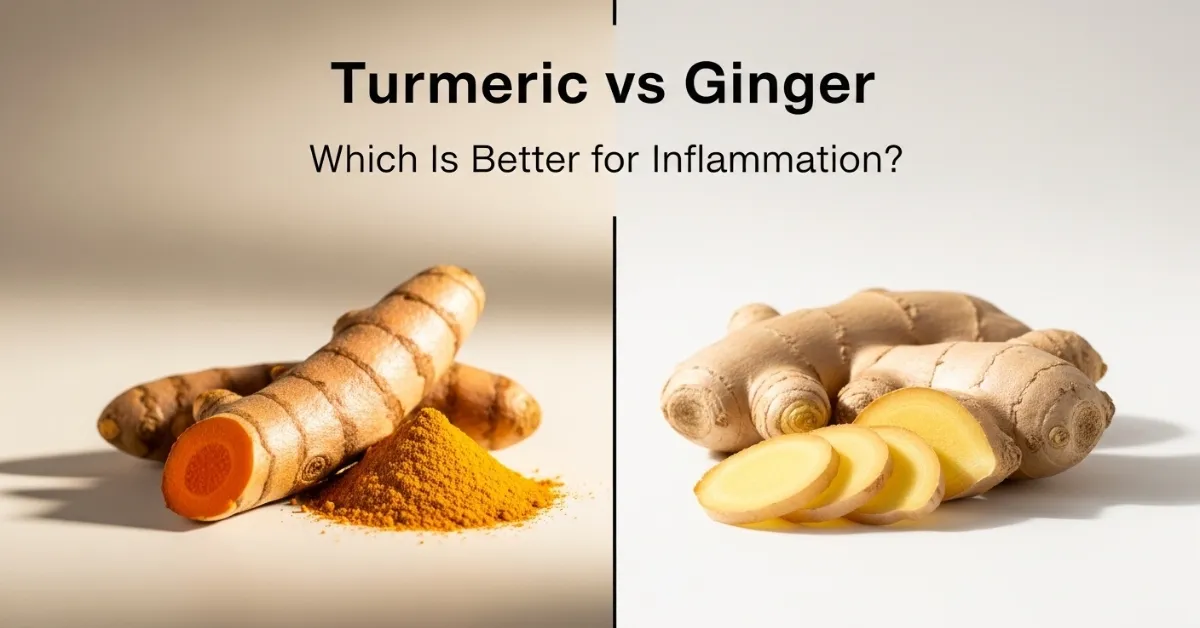
Turmeric vs ginger is one of the most common questions in natural health, as both golden-hued spices from the same plant family offer powerful anti-inflammatory benefits. While they share similarities, turmeric and ginger work through different mechanisms and excel in different areas.
This comprehensive comparison analyzes turmeric vs ginger across inflammation reduction, pain relief, digestive health, bioavailability, research backing, taste, cost, and overall effectiveness to help you choose the right herb—or discover why combining both provides optimal benefits.
Quick Answer: Turmeric (curcumin) is more powerful for chronic inflammation and arthritis with stronger overall anti-inflammatory effects. Ginger is superior for nausea, digestive issues, and acute pain relief with faster action. Both are excellent anti-inflammatories—the best choice depends on your primary health goal, though combining them provides synergistic benefits.
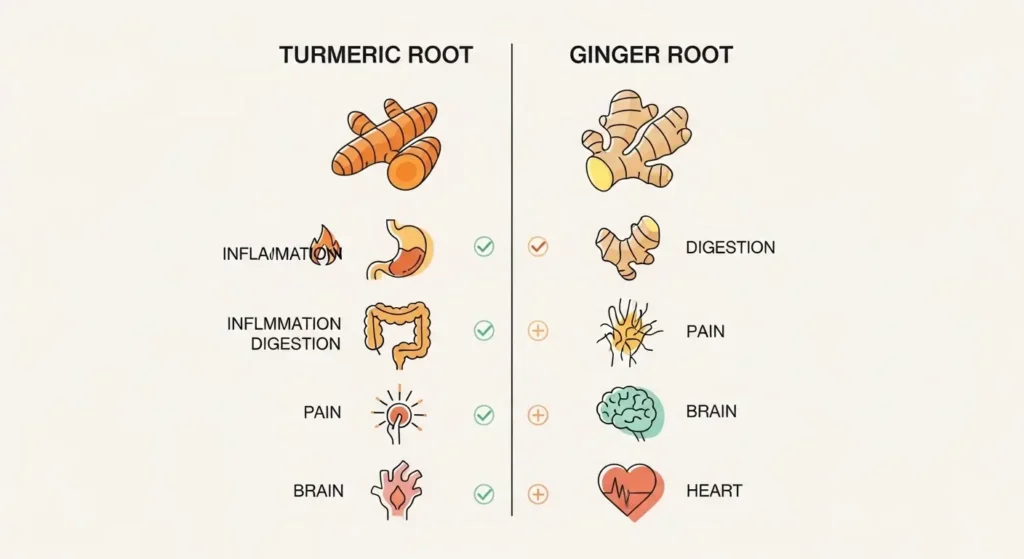
Turmeric vs Ginger: Quick Comparison Table
| Feature | Turmeric | Ginger | Winner |
|---|---|---|---|
| Anti-Inflammatory Power | ⭐⭐⭐⭐⭐ Excellent | ⭐⭐⭐⭐ Very Good | Turmeric |
| Nausea Relief | ⭐⭐ Minimal | ⭐⭐⭐⭐⭐ Excellent | Ginger |
| Arthritis/Joint Pain | ⭐⭐⭐⭐⭐ Excellent | ⭐⭐⭐⭐ Very Good | Turmeric |
| Digestive Support | ⭐⭐⭐ Good | ⭐⭐⭐⭐⭐ Excellent | Ginger |
| Muscle Soreness | ⭐⭐⭐ Good | ⭐⭐⭐⭐ Very Good | Ginger |
| Brain Health | ⭐⭐⭐⭐⭐ Excellent | ⭐⭐⭐⭐ Very Good | Turmeric |
| Heart Health | ⭐⭐⭐⭐⭐ Excellent | ⭐⭐⭐⭐ Very Good | Turmeric |
| Research Depth | 13,000+ studies | 500+ studies | Turmeric |
| Bioavailability | Poor (needs enhancement) | Moderate-Good | Ginger |
| Taste | Bitter, earthy | Spicy, zesty | Preference |
| Speed of Action | 4-8 weeks | Hours to days | Ginger |
| Price | $$ Moderate | $ Affordable | Ginger |
Understanding Turmeric and Ginger
Turmeric (Curcuma longa)

Active Compounds:
- Curcumin (3-5% of turmeric root)
- Demethoxycurcumin and bisdemethoxycurcumin
- Essential oils and other curcuminoids
Primary Mechanisms:
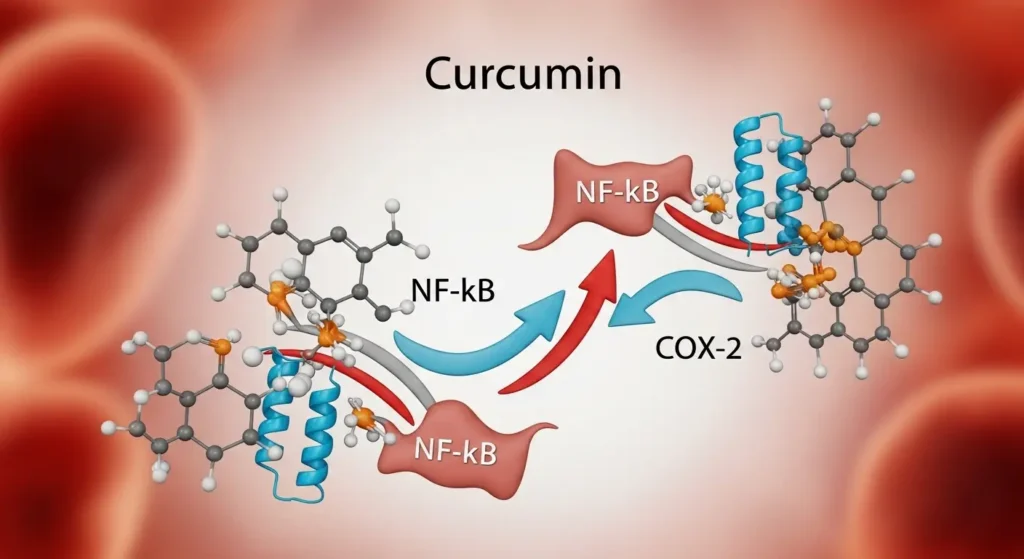
- Inhibits NF-κB inflammatory pathway
- Blocks COX-2 and 5-LOX enzymes
- Powerful antioxidant
- Modulates multiple inflammatory cascades
Traditional Use: 4,000+ years in Ayurvedic medicine for inflammation, wound healing, and overall wellness
Learn more: Complete Turmeric Curcumin Benefits Guide
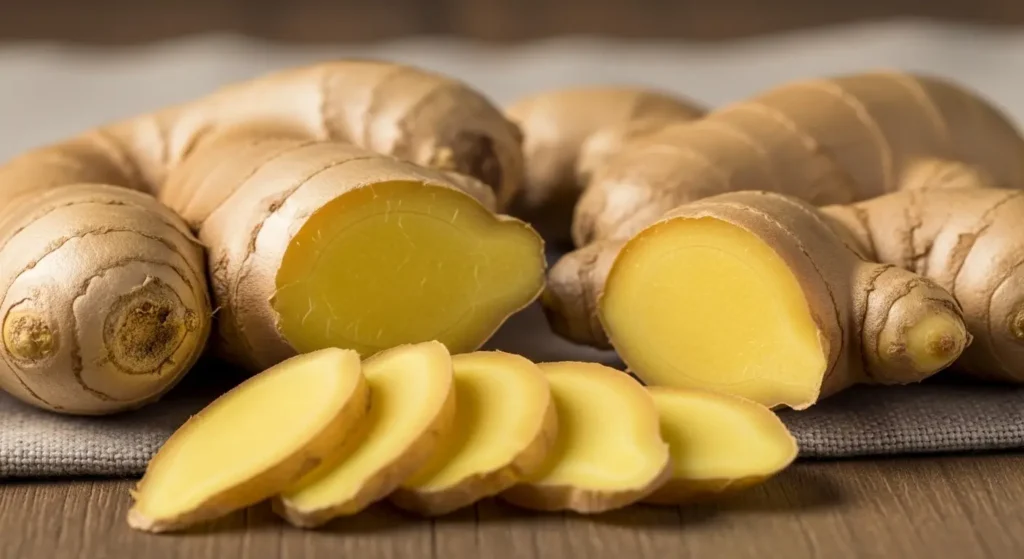
Ginger (Zingiber officinale)
Active Compounds:
- Gingerols (fresh ginger—pungent compounds)
- Shogaols (dried ginger—more potent)
- Paradols and zingerone
- Essential oils
Primary Mechanisms:
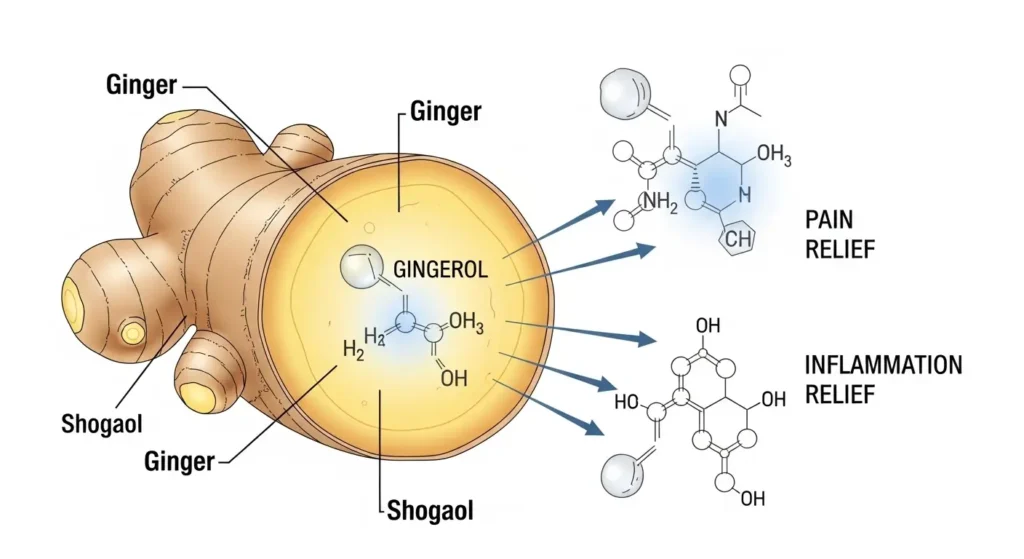
- Inhibits COX-2 and 5-LOX enzymes
- Affects serotonin receptors (anti-nausea)
- Reduces inflammatory prostaglandins
- Accelerates gastric emptying
Traditional Use: 5,000+ years in Traditional Chinese Medicine for nausea, digestion, and respiratory issues
Learn more: Complete Ginger Root Benefits Guide
Turmeric vs Ginger: Detailed Comparison
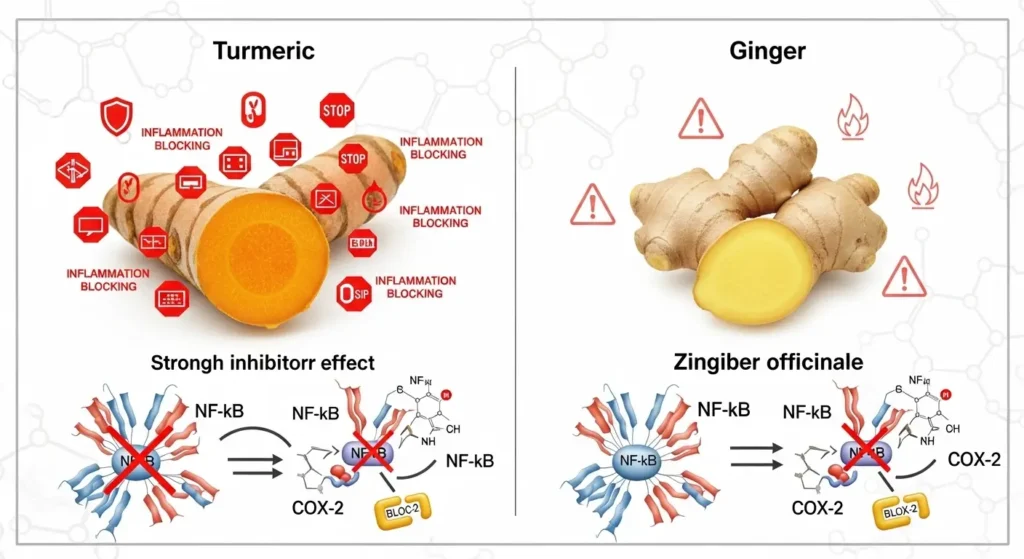
1. Anti-Inflammatory Effects (Overall Power)
Winner: Turmeric 🏆
Turmeric’s Anti-Inflammatory Superiority:
✅ More Potent Mechanism:
- Curcumin inhibits NF-κB (master inflammatory switch)
- Blocks multiple inflammatory pathways simultaneously
- Reduces inflammatory markers (CRP, IL-6, TNF-α) by 20-40%
- More comprehensive anti-inflammatory action
✅ Stronger Research Evidence:
- 13,000+ studies specifically on anti-inflammatory effects
- More clinical trials demonstrating inflammation reduction
- Used in pharmaceutical-grade formulations (Meriva, BCM-95)
✅ Better for Chronic Inflammation:
- Superior for long-term inflammatory conditions
- More effective for systemic inflammation
- Better for inflammation-related chronic diseases
Research: Studies in Drug Design, Development and Therapy show curcumin’s multi-targeted anti-inflammatory effects are more comprehensive than ginger’s.
Ginger’s Anti-Inflammatory Strengths:
✅ Still Highly Effective:
- Reduces inflammatory markers by 15-30%
- Inhibits same enzymes (COX-2, LOX) as turmeric
- Excellent for acute inflammation
- Works faster for immediate relief
✅ Better Bioavailability:
- Absorbs more easily without enhancement
- Faster onset of anti-inflammatory effects
- No need for black pepper or special formulations
The Verdict: For pure anti-inflammatory power, turmeric wins. However, ginger’s better absorption and faster action make it excellent for acute inflammation.
2. Nausea and Digestive Relief

Winner: Ginger 🏆 (Decisively)
Ginger’s Dominance for Nausea:
✅ Unmatched Effectiveness:
- Reduces nausea by 75% in clinical studies
- More effective than Dramamine for motion sickness
- Gold standard for morning sickness (safe in pregnancy)
- Reduces chemotherapy-induced nausea by 40%
✅ Multiple Mechanisms:
- Affects serotonin receptors (5-HT3) in gut and brain
- Accelerates gastric emptying
- Reduces stomach contractions
- Direct effect on vomiting center in brain
✅ Fast Acting:
- Relief within 30-60 minutes
- Works for acute nausea episodes
- Effective for various nausea causes
Research from Nutrition Journal confirms ginger’s superior anti-nausea effects.
Turmeric for Digestion:
⭐ Limited Direct Evidence:
- Primarily helps inflammatory digestive conditions (IBD, IBS)
- Works through anti-inflammatory mechanisms
- Not effective for acute nausea
- Better for chronic gut inflammation
The Verdict: For nausea, digestive upset, and stomach comfort, ginger is the clear winner. Turmeric helps inflammatory gut conditions but doesn’t address nausea.
3. Arthritis and Joint Pain
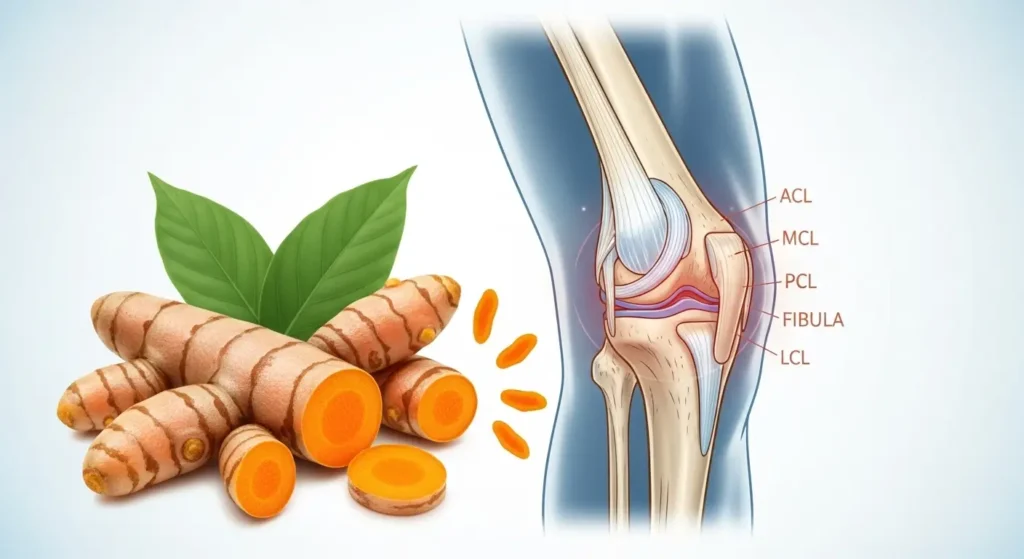
Winner: Turmeric 🏆 (With important nuances)
Turmeric’s Advantages:
✅ More Clinical Evidence:
- Extensive research in osteoarthritis and rheumatoid arthritis
- Studies show 50-60% pain reduction after 8-12 weeks
- Comparable to ibuprofen (200mg) in multiple trials
- May slow cartilage degradation
✅ Better for Chronic Joint Conditions:
- Superior for long-term arthritis management
- More effective for ongoing joint inflammation
- Better disease-modifying potential
✅ Stronger Anti-Inflammatory:
- More powerful reduction of joint inflammation
- Better for severe arthritis symptoms
- More comprehensive inflammatory pathway inhibition
Study from Journal of Medicinal Food shows turmeric extract significantly superior for osteoarthritis.
Ginger’s Joint Pain Benefits:
✅ Also Highly Effective:
- Reduces arthritis pain by 40% in studies
- Comparable to diclofenac in some trials
- Excellent for acute joint pain flare-ups
- Better absorbed (no enhancement needed)
✅ Faster Relief:
- Works more quickly for pain reduction
- Better for acute pain episodes
- Good for pain that varies day-to-day
The Verdict: Turmeric is better for chronic arthritis and long-term joint health. Ginger works faster and is excellent for acute pain relief. Many people use both together.
4. Muscle Pain and Exercise Recovery

Winner: Ginger 🏆 (Slightly)
Ginger’s Athletic Advantages:
✅ Proven Muscle Soreness Reduction:
- Reduces DOMS (delayed-onset muscle soreness) by 25-50%
- Decreases muscle pain progression
- Supports faster recovery between workouts
- Works when taken consistently (not just post-workout)
✅ Faster Action:
- Noticeable effects within days
- Better for acute muscle inflammation
- Good absorption without enhancement
Research: Study in Journal of Pain demonstrated 25% reduction in exercise-induced muscle pain with ginger.
Turmeric for Exercise:
⭐ Also Beneficial:
- Reduces exercise-induced inflammation
- May enhance recovery
- Antioxidant protection during intense training
- Better for chronic training inflammation
The Verdict: Ginger slightly edges out turmeric for exercise recovery due to faster action and better-studied effects on muscle soreness. Both are beneficial for athletes.
5. Brain Health and Cognitive Function

Winner: Turmeric 🏆
Turmeric’s Brain Benefits:
✅ Crosses Blood-Brain Barrier:
- Especially Longvida formulation
- Accumulates in brain tissue
- Direct neuroprotective effects
✅ More Extensive Research:
- UCLA studies show improved memory (28% improvement)
- Reduces amyloid plaques (Alzheimer’s link)
- Increases BDNF (brain growth hormone)
- Neuroprotective against cognitive decline
✅ Alzheimer’s Prevention:
- Population studies: Lower Alzheimer’s rates in India (high turmeric use)
- Lab studies show amyloid plaque reduction
- Clinical trials ongoing
UCLA research in American Journal of Geriatric Psychiatry demonstrates significant cognitive improvements with curcumin.
Ginger’s Brain Benefits:
⭐ Also Neuroprotective:
- Improves reaction time and working memory
- Antioxidant protection for brain cells
- Reduces neuroinflammation
- Supports cognitive function
The Verdict: Turmeric has more extensive research and stronger evidence for brain health, especially for Alzheimer’s prevention and memory enhancement.
6. Heart Health and Cardiovascular Support
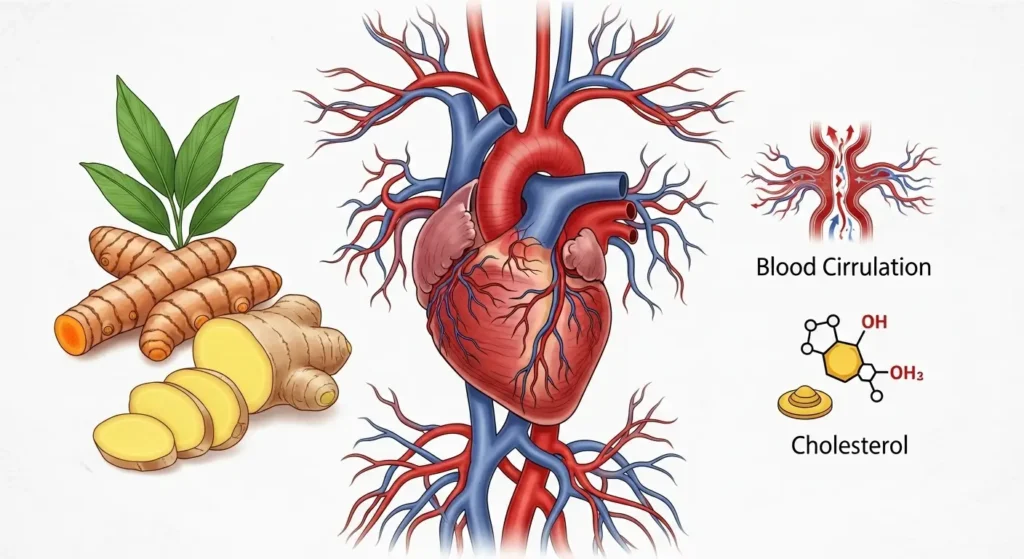
Winner: Turmeric 🏆 (Slightly)
Turmeric’s Cardiovascular Edge:
✅ Endothelial Function:
- Improves blood vessel lining function
- Comparable to exercise in some studies
- Increases nitric oxide production
- Better vascular protection
✅ More Extensive Research:
- More clinical trials on cardiovascular outcomes
- Better studied for heart disease prevention
- Stronger evidence for LDL oxidation prevention
Both herbs provide:
- Cholesterol reduction (10-15%)
- Modest blood pressure reduction (5-8 mmHg)
- Antiplatelet effects (reduced clotting)
- Anti-inflammatory cardiovascular protection
The Verdict: Both excellent for heart health. Turmeric has slightly more research backing and stronger endothelial benefits, but ginger is also highly effective.
7. Bioavailability and Absorption
Winner: Ginger 🏆
Ginger’s Absorption Advantage:
✅ Better Natural Absorption:
- Moderate to good absorption without enhancement
- Works well in simple forms (fresh, tea, powder)
- No special formulations required
- Faster onset of effects
✅ No Enhancement Needed:
- Effective as fresh root or simple powder
- Doesn’t require black pepper or special delivery systems
- More straightforward supplementation
Turmeric’s Absorption Challenge:
❌ Poor Bioavailability:
- Only 1-2% absorption without enhancement
- Requires black pepper (2,000% increase) or special formulations
- Needs phytosome, liposomal, or BCM-95 for optimal effects
- More complex supplementation
✅ Solutions Available:
- Enhanced formulations solve the problem
- Phytosome provides 29x absorption
- Liposomal provides 30x absorption
- BioPerine increases by 2,000%
See our best turmeric supplements review for absorption-enhanced options.
The Verdict: Ginger is simpler and more bioavailable naturally. Turmeric requires enhancement but effective formulations are available.
8. Research and Clinical Evidence
Winner: Turmeric 🏆
Turmeric’s Research Dominance:
- 13,000+ published studies
- Extensively studied in clinical trials
- Pharmaceutical-grade formulations (approved in Japan)
- More rigorous randomized controlled trials
- Better-characterized mechanisms
Ginger’s Research:
- 500+ published studies
- Solid clinical evidence for nausea and pain
- Traditional use well-documented
- Growing body of research
- Less pharmaceutical development
The Verdict: Turmeric is the most researched natural anti-inflammatory compound. Ginger has strong but less extensive research backing.
9. Taste and Palatability
Winner: Personal Preference (Tie)
Turmeric:
- Earthy, slightly bitter flavor
- Mild, subtle taste
- Easily masked in recipes
- Yellow-orange color (stains)
- Works well in curries, golden milk, smoothies
Ginger:
- Spicy, zesty, pungent flavor
- Strong, distinctive taste
- Pleasant when fresh
- Adds heat to recipes
- Excellent in teas, stir-fries, baked goods
Most People Find: Ginger more pleasant fresh, turmeric easier to hide in recipes. Both are widely used and enjoyed in various forms.
10. Cost and Accessibility
Winner: Ginger 🏆
Ginger:
- More affordable: $2-5 per pound fresh
- Widely available everywhere (grocery stores, markets)
- Simple preparation (no enhancement needed)
- Long shelf life when dried
- Supplements: $0.20-0.50 per serving
Turmeric:
- Moderate cost: $3-8 per pound fresh
- Also widely available
- Requires enhancement for therapeutic effects
- Quality supplements: $0.45-1.57 per serving
- Enhanced formulations more expensive
The Verdict: Ginger is more budget-friendly and simpler, especially for immediate use without supplements.
Can You Take Turmeric and Ginger Together?

Yes! Combining them is highly recommended. 💡
Why Turmeric + Ginger Work Well Together
Synergistic Benefits:
✅ Complementary Mechanisms:
- Both inhibit inflammatory enzymes (COX-2, LOX)
- Work through slightly different pathways
- Enhanced overall anti-inflammatory effect
- No contraindications or negative interactions
✅ Broader Spectrum Coverage:
- Turmeric: Chronic inflammation, joints, brain, heart
- Ginger: Nausea, digestion, acute pain, muscle soreness
- Together: Comprehensive anti-inflammatory support
✅ Enhanced Absorption:
- Ginger may improve turmeric absorption
- Both contain oils that enhance each other
- Traditional combinations (curry, golden milk) leverage this
✅ Shared Benefits Amplified:
- Pain relief
- Cardiovascular support
- Antioxidant protection
- Anti-inflammatory effects
How to Combine Turmeric and Ginger

Golden Milk Recipe:
- 1 tsp turmeric powder
- 1/2 tsp fresh grated ginger (or 1/4 tsp powder)
- 1 cup milk (dairy or coconut)
- 1/4 tsp black pepper (enhances turmeric absorption)
- 1/2 tsp cinnamon
- 1 tsp honey
- Pinch black pepper

Simmer 5-10 minutes, enjoy warm
Supplement Combination:
- Turmeric: 1,000mg extract (morning)
- Ginger: 500-1,000mg extract (morning or split)
- Or use combination supplements
Cooking:
- Add both to curries, stir-fries, soups
- Make tea with both fresh roots
- Use in smoothies together
Dosage When Combining:
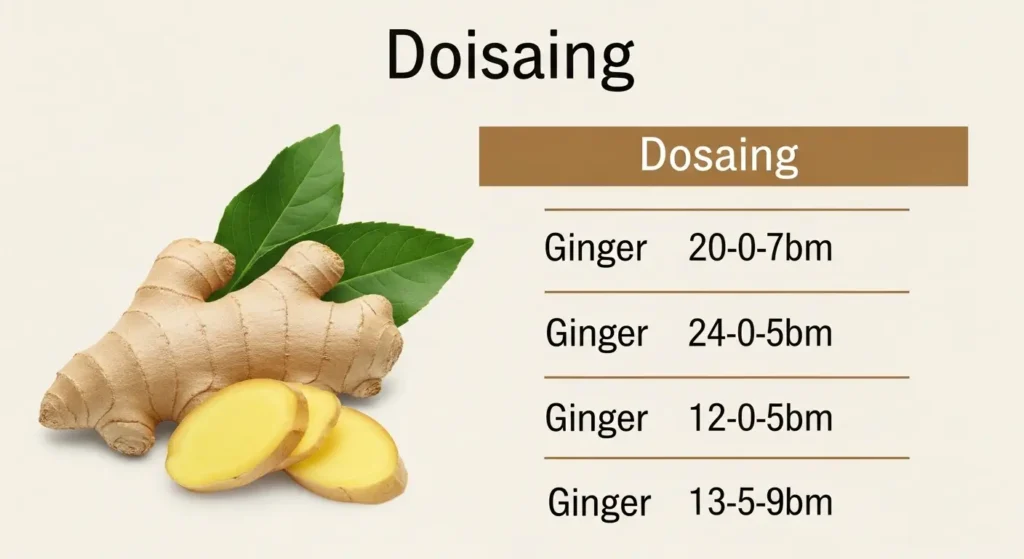
- Turmeric: 500-1,500mg curcumin extract daily
- Ginger: 1-2 grams fresh or 500-1,000mg extract daily
- Total: Safe to take full doses of each
Research Note: Traditional medicine has combined these herbs for thousands of years. No negative interactions are known. They’re from the same plant family (Zingiberaceae) and work harmoniously.
Turmeric vs Ginger: Which Should You Choose?
Choose Turmeric If:

- ✅ Your primary concern is chronic inflammation
- ✅ You have arthritis or joint pain (especially long-term)
- ✅ You want brain health protection (memory, Alzheimer’s prevention)
- ✅ You need comprehensive anti-inflammatory support
- ✅ You’re focused on disease prevention (heart disease, cancer, metabolic syndrome)
- ✅ You want the most researched natural anti-inflammatory
- ✅ You’re willing to use enhanced formulations for absorption
Best Turmeric Forms:
- High-quality extract with enhanced bioavailability
- Look for Meriva (phytosome), liposomal, or BCM-95
- Include black pepper if using standard curcumin
See tested options: Best Turmeric Supplements Review
Choose Ginger If:

- ✅ Your primary concern is nausea (morning sickness, motion sickness, chemotherapy)
- ✅ You have digestive issues (bloating, gas, slow digestion)
- ✅ You need fast-acting relief for acute pain or inflammation
- ✅ You want exercise recovery support (muscle soreness)
- ✅ You prefer simpler supplementation (no enhancement needed)
- ✅ You’re on a tighter budget
- ✅ You prefer fresh, whole-food approaches
Best Ginger Forms:
- Fresh ginger root (for nausea, digestion)
- Ginger tea (soothing, effective)
- Standardized extract (for pain, inflammation)
Use Both If:
- ✅ You want comprehensive anti-inflammatory support
- ✅ You have multiple health concerns (arthritis + digestion)
- ✅ You want synergistic benefits
- ✅ You appreciate traditional herbal combinations
- ✅ You’re focused on overall wellness rather than single issue
The Best Approach: Many people find using both provides the most comprehensive benefits, as they work through complementary mechanisms.
Turmeric vs Ginger: Side-by-Side Summary
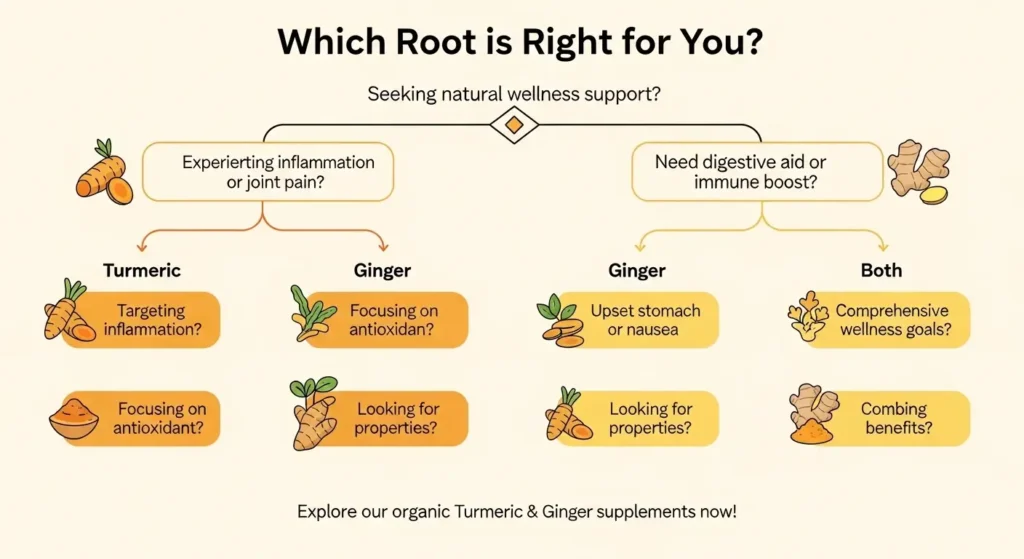
When Turmeric is Better:
- Chronic inflammation and inflammatory diseases
- Arthritis and joint health (long-term)
- Brain health and cognitive protection
- Comprehensive disease prevention
- Maximum anti-inflammatory power
When Ginger is Better:
- Nausea (any cause—clear winner)
- Digestive issues and stomach upset
- Acute pain and inflammation
- Muscle soreness and exercise recovery
- Faster relief needed
- Budget considerations
When to Use Both:
- Comprehensive health support
- Multiple health concerns
- Maximum anti-inflammatory benefits
- Traditional herbal synergy
Bottom Line: You don’t have to choose. Using both provides complementary benefits through different mechanisms. Think of turmeric as the powerful chronic inflammation fighter and ginger as the fast-acting digestive and pain relief specialist.
Frequently Asked Questions
-
Is turmeric or ginger better for inflammation?
Turmeric is more powerful for chronic inflammation with stronger overall anti-inflammatory effects (reduces markers by 20-40% vs ginger’s 15-30%). However, ginger works faster for acute inflammation and has better natural absorption. For chronic inflammatory conditions like arthritis, turmeric is superior. For quick relief, ginger works faster.
-
Can you take turmeric and ginger together?
Yes, absolutely! Turmeric and ginger are highly complementary and traditionally combined in many recipes and remedies. They work through different mechanisms, providing synergistic benefits without negative interactions. Combining them offers comprehensive anti-inflammatory support—turmeric for chronic inflammation and ginger for digestion and acute pain.
-
Which is better for arthritis: turmeric or ginger?
Turmeric is better for arthritis based on more extensive clinical research showing 50-60% pain reduction comparable to ibuprofen. It’s superior for long-term joint health and may slow cartilage degradation. However, ginger also reduces arthritis pain (40% reduction) and works faster for acute flare-ups. Many people use both together for optimal joint support.
-
Is ginger or turmeric better for nausea?
Ginger is dramatically better for nausea. It reduces nausea by 75% in studies and is the gold standard for morning sickness, motion sickness, and chemotherapy-induced nausea. Turmeric has minimal direct anti-nausea effects. For any nausea-related issue, always choose ginger.
-
Which has more health benefits: turmeric or ginger?
Both offer extensive health benefits. Turmeric has more research (13,000+ studies) and is more powerful for chronic inflammation, brain health, and disease prevention. Ginger excels for nausea, digestion, and acute pain with faster action. Neither is objectively “better”—they complement each other. See our guides: Turmeric Benefits and Ginger Benefits.
-
Does turmeric taste better than ginger?
This is personal preference. Turmeric is earthy and mildly bitter, easily masked in recipes. Ginger is spicy, zesty, and pungent with a strong flavor most people find pleasant. Fresh ginger is generally preferred for taste, while turmeric is easier to hide in golden milk or smoothies.
-
Is turmeric more expensive than ginger?
Turmeric is moderately more expensive, especially quality supplements. Fresh ginger costs $2-5/lb, fresh turmeric $3-8/lb. For supplements: ginger $0.20-0.50/serving, turmeric $0.45-1.57/serving (enhanced formulations cost more but are necessary for absorption). Ginger is more budget-friendly overall.
-
Which absorbs better: turmeric or ginger?
Ginger absorbs much better naturally (moderate to good bioavailability). Turmeric has poor absorption (1-2%) without enhancement and requires black pepper (2,000% increase) or special formulations (phytosome, liposomal) for effectiveness. This makes ginger simpler to use, though enhanced turmeric supplements solve the absorption problem.
The Bottom Line: Turmeric vs Ginger
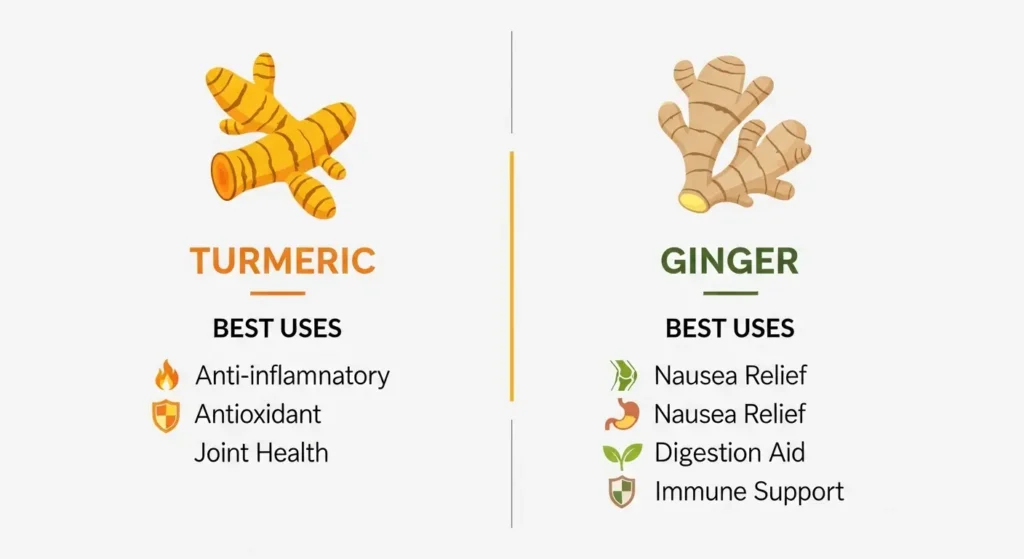
Turmeric vs ginger isn’t an either-or decision—both are powerful anti-inflammatory herbs with complementary strengths. Turmeric excels for chronic inflammation, arthritis, and disease prevention with the most extensive research backing. Ginger is unmatched for nausea, digestive issues, and fast-acting pain relief with better natural absorption.
Key Takeaways:
Turmeric Wins For:
- Chronic inflammation (20-40% marker reduction)
- Arthritis and joint health (long-term)
- Brain health and Alzheimer’s prevention
- Comprehensive disease prevention
- Most researched natural anti-inflammatory (13,000+ studies)
Ginger Wins For:
- Nausea relief (75% reduction—clear winner)
- Digestive support and stomach comfort
- Acute pain and inflammation (faster action)
- Muscle soreness and exercise recovery
- Better bioavailability and lower cost
Best Approach:
- ✅ Use turmeric for chronic conditions and long-term health
- ✅ Use ginger for nausea, digestion, and quick relief
- ✅ Combine both for synergistic comprehensive benefits
- ✅ Consider combination supplements or golden milk recipes
Getting Started:
- Identify your primary health concern
- Choose the herb that best addresses your needs
- Consider using both for comprehensive support
- Use enhanced turmeric formulations for absorption
- Start with quality supplements or fresh preparations
Ready to benefit from these powerful herbs?
- Best Turmeric Supplements – Top-rated products tested
- Turmeric Benefits Guide – Complete benefits
- Ginger Benefits Guide – Complete benefits
- Best Time to Take Turmeric – Timing optimization
Explore more anti-inflammatory options:
- Anti-Inflammatory Herbs Guide – 12 powerful herbs
- Medicinal Mushrooms Guide – Anti-inflammatory mushrooms
- Turkey Tail Benefits – Immune + inflammation
Medical Disclaimer: This comparison is for informational purposes only. Turmeric and ginger should complement, not replace, medical care. Consult healthcare providers before starting herbs, especially if you have medical conditions, take medications (particularly blood thinners), are pregnant/nursing, or before surgery.
Last Updated: January 2026

