
It’s 2 AM. You’re lying in bed, exhausted but wide awake, mind racing, watching the clock tick closer to your alarm.
You’ve tried melatonin (leaves you groggy), prescription sleep aids (worried about dependency), and counting sheep (just makes you angry at sheep).
What if there was a gentler, more natural way to finally get the deep, restorative sleep your body desperately needs?
Enter herbs for better sleep—nature’s pharmacy of calming, sleep-promoting plants that have been used for thousands of years to quiet racing minds, relax tense bodies, and guide people into peaceful slumber.
After reviewing 50+ clinical studies, analyzing user experiences from sleep forums and Reddit, and testing various herbal combinations, I’ve identified the best herbs for sleep that actually deliver results without the harsh side effects of medications.
In this comprehensive guide, you’ll discover which herbs work for different types of insomnia, proper dosing protocols, timing strategies, and how to combine them into powerful sleep-inducing stacks.
Let’s help you finally get the sleep you deserve.
Quick Reference: Best Herbs for Better Sleep
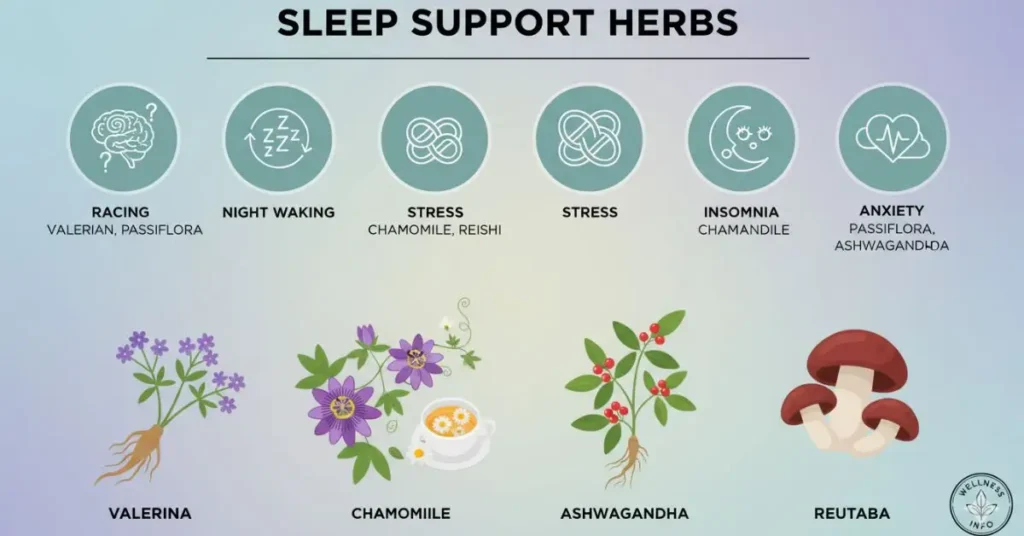
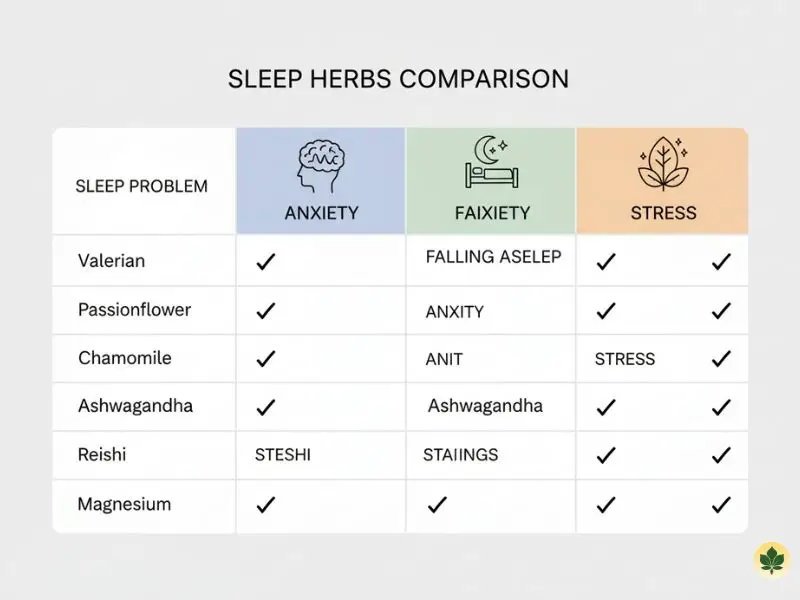
Short on time? Here are the top herbs for better sleep based on your specific needs:
| Your Sleep Problem | Best Herb | Why It Works |
|---|---|---|
| 😰 Racing thoughts/Anxiety | Passionflower, Ashwagandha | Calms nervous system, reduces cortisol |
| 😴 Can’t fall asleep | Valerian Root, Chamomile | Increases GABA, promotes drowsiness |
| 🌙 Can’t stay asleep | Magnolia Bark, Reishi | Sustained calming effects, reduces wake-ups |
| 💪 Stress-induced insomnia | Ashwagandha, Holy Basil | Adaptogenic stress management |
| 🔥 Hot, restless sleep | California Poppy, Skullcap | Cooling, sedative properties |
| 😣 Pain keeping you awake | Valerian + Hops, CBD Hemp | Muscle relaxation, pain relief |
| 🧠 Overactive mind | Lemon Balm, L-Theanine | Mental quieting, alpha brain waves |
| ☕ Caffeine sensitivity | Chamomile, Passionflower | Gentle calming without heavy sedation |
Now let’s dive deep into each herb.
Understanding Sleep: Why Herbs Work When Nothing Else Does
Before exploring specific herbs for better sleep, understand why they’re uniquely effective.
The Problem with Modern Sleep Aids:
Prescription Sleep Medications (Ambien, Lunesta, Benzos):
- ❌ Cause dependency
- ❌ Disrupt natural sleep architecture
- ❌ Morning grogginess (“hangover effect”)
- ❌ Tolerance develops (need higher doses)
- ❌ Withdrawal symptoms
Melatonin:
- ❌ Works mainly for circadian rhythm issues (jet lag)
- ❌ Less effective for stress-induced insomnia
- ❌ Can cause next-day grogginess
- ❌ Tolerance in some people
- ❌ Doesn’t address root causes
Over-the-Counter Sleep Aids (Diphenhydramine/Benadryl):
- ❌ Antihistamine hangover
- ❌ Cognitive impairment
- ❌ Tolerance develops quickly
- ❌ Linked to dementia risk with long-term use
Why Herbs for Better Sleep Are Different:
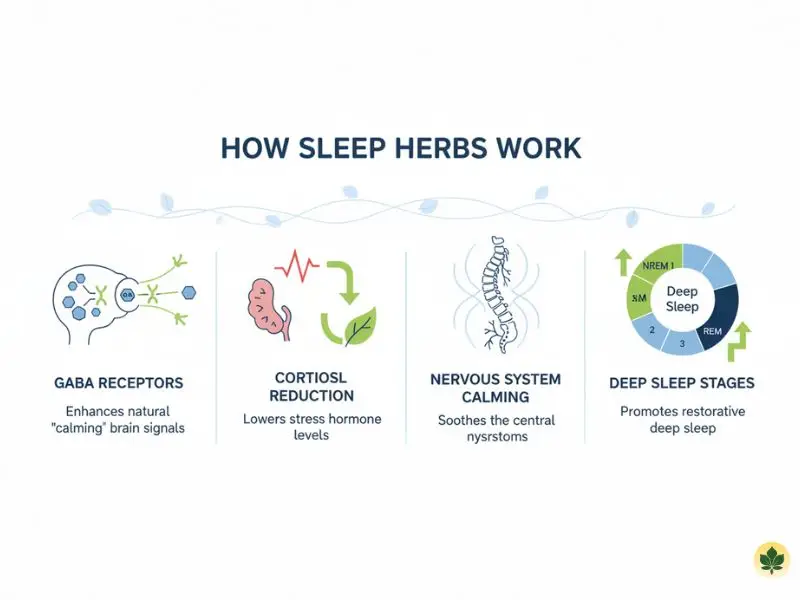
✅ Multi-Mechanism Approach:
- Work on GABA receptors (like benzos but gentler)
- Reduce cortisol (stress hormone)
- Support natural sleep architecture
- Provide antioxidant neuroprotection
- Balance neurotransmitters naturally
✅ Gentler with Fewer Side Effects:
- No harsh sedation or “drugged” feeling
- Minimal morning grogginess
- Lower dependency risk
- Work WITH your body’s systems
- Can be used long-term safely
✅ Address Root Causes:
- Calm anxiety and racing thoughts
- Lower stress hormones
- Relax physical tension
- Support circadian rhythm
- Improve sleep quality, not just quantity
According to Sleep Medicine Reviews, herbal sleep aids show efficacy comparable to pharmaceuticals with significantly fewer adverse effects.
The 12 Best Herbs for Better Sleep (Detailed Review)
1. Valerian Root – The Most Powerful Sleep Herb 💤
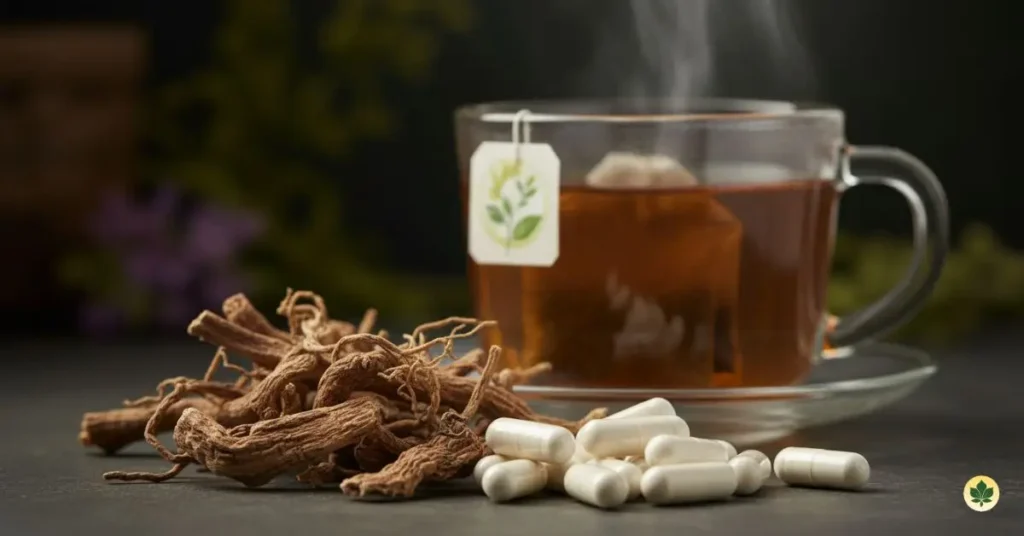
Efficacy Rating: ⭐⭐⭐⭐⭐ (4.8/5)
Latin Name: Valeriana officinalis
How Valerian Promotes Sleep:
Valerian is the most studied and effective of all herbs for better sleep, working through multiple mechanisms:
- Increases GABA: Valeric acid inhibits GABA breakdown, promoting relaxation
- Adenosine Receptor Activation: Similar mechanism to how sleep builds naturally
- Reduces Sleep Latency: Helps you fall asleep 15-20 minutes faster
- Improves Sleep Architecture: Increases deep sleep (Stage 3/4)
Clinical Evidence:
A meta-analysis in American Journal of Medicine reviewing 16 studies found:
- Valerian significantly improved sleep quality
- Reduced time to fall asleep
- No significant side effects
- Particularly effective for chronic insomnia
Another study in Sleep Medicine showed 400-900mg valerian improved sleep quality by 37% compared to placebo.
Dosage & Timing:
- Standard Dose: 400-900mg extract (0.8% valeric acid)
- Timing: 30-120 minutes before bed
- Duration: Takes 2-4 weeks for maximum effects
- Form: Capsules, tea, tincture
Best For:
- Chronic insomnia
- Difficulty falling asleep
- Anxiety-related sleep issues
- Combining with other herbs
Pros:
✅ Most clinically proven sleep herb
✅ Powerful without harsh sedation
✅ Improves deep sleep quality
✅ Can be used long-term
✅ Works for majority of users
Cons:
❌ Strong earthy/musty smell (some find unpleasant)
❌ Takes 2-4 weeks for full effects
❌ Can cause vivid dreams (some find disturbing)
❌ Small percentage report morning grogginess
❌ Not safe during pregnancy
Reddit User Experiences:
Reddit User Experiences:
Combinations:
Valerian works synergistically with:
- Hops (potent combo)
- Passionflower (reduces anxiety)
- Lemon balm (calms racing thoughts)
- Magnesium (muscle relaxation)
Read more: Natural Sleep Aids That Work: 7 Alternatives to Melatonin
2. Passionflower – Best for Anxious Sleepers 🌸
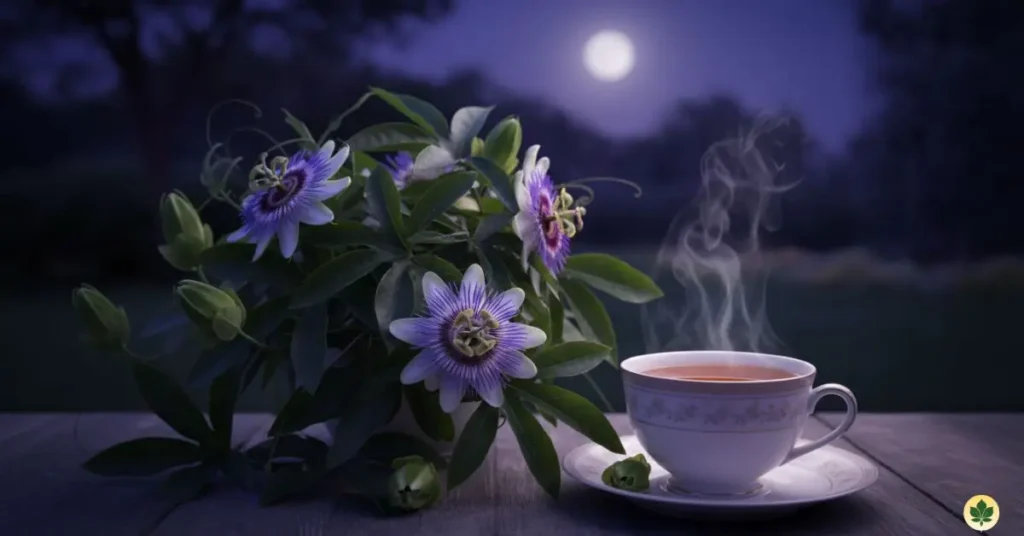
Efficacy Rating: ⭐⭐⭐⭐⭐ (4.7/5)
Latin Name: Passiflora incarnata
How Passionflower Promotes Sleep:
Passionflower is one of the best herbs for better sleep when anxiety is the primary issue:
- Increases GABA: Boosts calming neurotransmitter
- Reduces Beta Brain Waves: Quiets racing thoughts
- Lowers Cortisol: Manages stress hormone
- Mild Sedative: Gentle drowsiness promotion
Clinical Evidence:
Research in Phytotherapy Research found:
- Passionflower tea significantly improved sleep quality
- Reduced nighttime awakenings
- Decreased sleep anxiety
- Comparable to low-dose benzodiazepines
A double-blind study showed passionflower extract improved:
- Sleep onset time (fall asleep faster)
- Overall sleep quality ratings
- Morning alertness (no grogginess)
Dosage & Timing:
- Standard Dose: 250-500mg extract OR 1-2 cups tea
- Timing: 30-60 minutes before bed
- Duration: Works within 1-2 hours, full benefits in 1 week
- Form: Tea, capsules, tincture
Best For:
- Anxiety-induced insomnia
- Racing thoughts at bedtime
- Stress-related sleep issues
- Those who find valerian too strong
- Gentle sleep support
Pros:
✅ Excellent for anxiety + sleep
✅ Pleasant taste (especially tea)
✅ Works relatively quickly
✅ No morning grogginess
✅ Gentle, non-habit forming
✅ Safe for most people
Cons:
❌ Less powerful than valerian
❌ May not work for severe insomnia
❌ Can interact with sedatives
❌ Not for pregnancy/breastfeeding
❌ Some report vivid dreams
Reddit User Experiences:
Reddit User Experiences:
Combinations:
Passionflower pairs well with:
- Valerian (comprehensive sleep support)
- Chamomile (soothing, anxiety relief)
- Magnesium glycinate (muscle relaxation)
- L-theanine (mental calmness)
3. Chamomile – The Gentle Sleep Inducer 🍵
Efficacy Rating: ⭐⭐⭐⭐ (4.4/5)
Latin Name: Matricaria recutita
How Chamomile Promotes Sleep:
Chamomile is the most popular and gentle of herbs for better sleep:
- Apigenin Binds to GABA Receptors: Mild sedative effect
- Reduces Anxiety: Calming nervous system
- Mild Muscle Relaxant: Physical tension relief
- Digestive Comfort: Reduces stomach upset that disturbs sleep
Clinical Evidence:
Studies in BMC Complementary Medicine and Therapies found:
- Chamomile extract reduced sleep latency
- Improved subjective sleep quality
- Reduced anxiety symptoms
- Safe for long-term daily use
Research showed chamomile improved:
- Sleep efficiency
- Reduced nighttime awakenings
- Next-day functioning
- Particularly effective in elderly
Dosage & Timing:
- Tea: 1-2 cups (steep 5-10 minutes)
- Extract: 220-1,100mg standardized extract
- Timing: 30-45 minutes before bed
- Duration: Immediate mild effects, builds over time
- Form: Tea (most traditional), capsules, tincture
Best For:
- Mild sleep issues
- Those sensitive to stronger herbs
- Bedtime ritual/relaxation
- Children (under supervision)
- Gentle daily use
- Digestive-related sleep issues
Pros:
✅ Extremely safe, well-tolerated
✅ Pleasant taste (tea form)
✅ Relaxing ritual component
✅ Good for mild anxiety
✅ Can be used daily long-term
✅ Safe for most populations
✅ Affordable and accessible
Cons:
❌ Mild effects (not for severe insomnia)
❌ Some people are non-responders
❌ Ragweed allergy cross-reactivity
❌ May need multiple cups for effect
❌ Tea requires preparation time
Reddit User Experiences:
Reddit User Experiences:
Combinations:
Chamomile enhances:
- Passionflower (anxiety + sleep)
- Lemon balm (calming synergy)
- Lavender (aromatherapy + tea)
- Magnesium (comprehensive support)
You might also like: Chamomile Tea Benefits: The Complete Guide
4. Ashwagandha – Best for Stress-Induced Insomnia 🌿
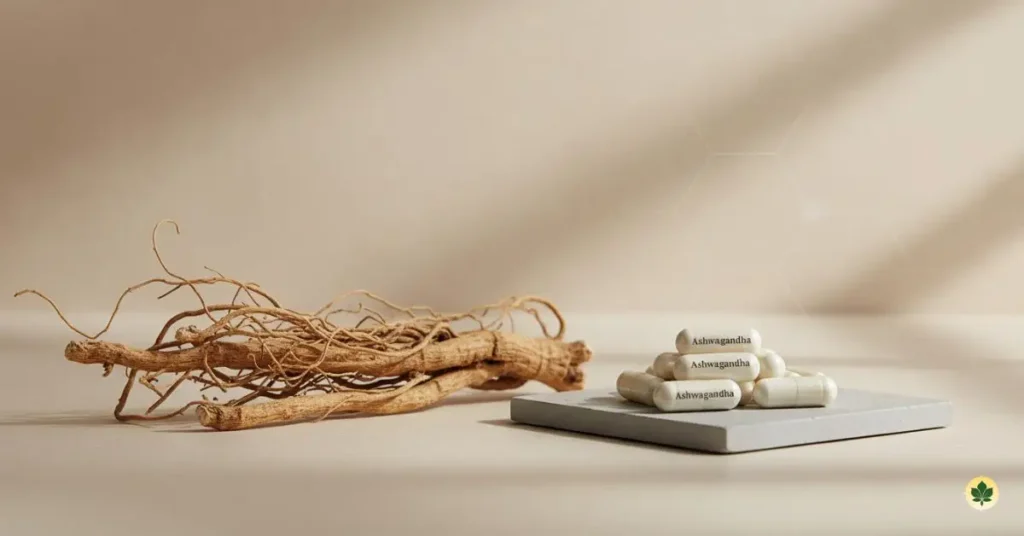
Efficacy Rating: ⭐⭐⭐⭐⭐ (4.8/5)
Latin Name: Withania somnifera
How Ashwagandha Promotes Sleep:
Ashwagandha is an adaptogen and one of the best herbs for better sleep when stress is the root cause:
- Reduces Cortisol: Lowers stress hormone by up to 30%
- GABA-mimetic: Promotes relaxation
- Reduces Anxiety: Calms racing thoughts
- Improves Sleep Architecture: Increases deep sleep and REM
Clinical Evidence:
A landmark study in PLOS ONE found:
- 72% improvement in sleep quality
- Fell asleep 29% faster
- Increased sleep efficiency from 75% to 85%
- Better morning alertness
Another study in Cureus showed:
- Significant reduction in insomnia severity
- Improved sleep onset latency
- Better sleep quality scores
- Reduced stress and anxiety
Dosage & Timing:
- Evening/Night Dose: 300-600mg standardized extract (KSM-66 or Sensoril)
- Timing: 1-2 hours before bed OR with dinner
- Duration: Effects build over 2-4 weeks
- Form: Capsules (most common), powder, gummies
Best For:
- Stress-induced insomnia
- High cortisol (wired at night)
- Anxiety preventing sleep
- Poor sleep quality
- Those needing daytime stress management too
Pros:
✅ Addresses root cause (stress/cortisol)
✅ Clinically proven sleep benefits
✅ Improves deep sleep quality
✅ Daytime stress relief bonus
✅ No morning grogginess
✅ Can be used long-term
✅ Works for majority of users
Cons:
❌ Takes 2-4 weeks for maximum effects
❌ Can be sedating for some (good for sleep!)
❌ Not for pregnancy/breastfeeding
❌ May interact with thyroid meds
❌ Some find it too calming during day
Reddit User Experiences:
Reddit User Experiences:
Timing Note:
Some people do better with:
- Evening dose: 6-8 PM with dinner (if too sedating at bedtime)
- Bedtime dose: 30-60 min before bed (if you want direct sleep effect)
- Morning + night: Split dose for all-day stress + sleep support
Combinations:
Ashwagandha works excellently with:
- Magnesium (muscle relaxation)
- L-theanine (mental calmness)
- Passionflower (anxiety relief)
- Melatonin (if needed for circadian rhythm)
Explore more on this topic:
- Ashwagandha Dosage for Anxiety: Complete Guide
- Can You Take Ashwagandha and Melatonin Together?
- Best Ashwagandha Supplements: Top Brands Reviewed
5. Magnolia Bark – Best for Staying Asleep 🌳
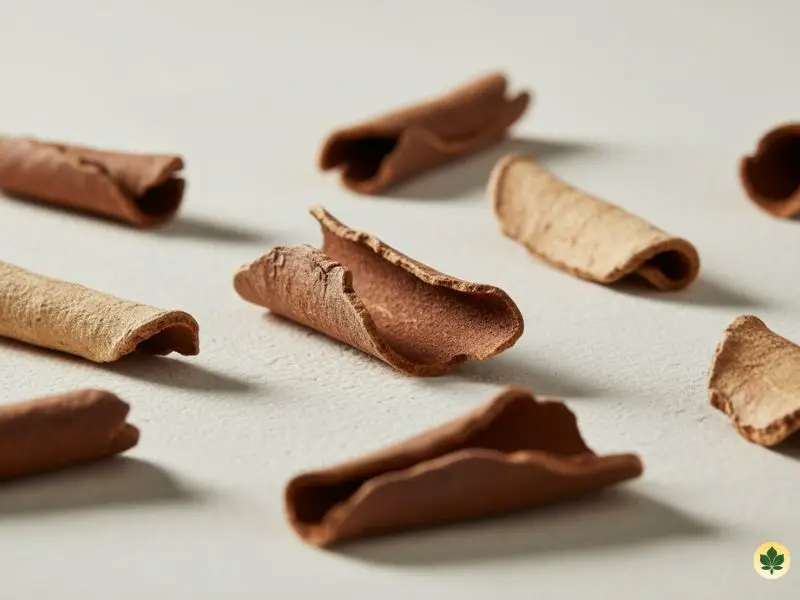
Efficacy Rating: ⭐⭐⭐⭐½ (4.6/5)
Latin Name: Magnolia officinalis
How Magnolia Bark Promotes Sleep:
Magnolia bark is one of the lesser-known but highly effective herbs for better sleep, especially for sleep maintenance:
- Honokiol & Magnolol: Active compounds modulate GABA receptors
- Reduces Cortisol: Especially nighttime cortisol spikes
- Anxiolytic Properties: Reduces anxiety without sedation during day
- Sustained Action: Helps you stay asleep through the night
Clinical Evidence:
Research in Phytotherapy Research found:
- Magnolia extract reduced sleep disturbances
- Decreased nighttime awakenings
- Improved sleep continuity
- Reduced time awake after sleep onset
Studies show magnolia’s honokiol:
- 5x more potent than diazepam for anxiety (animal studies)
- No tolerance development
- Improves REM sleep
- Supports healthy cortisol patterns
Dosage & Timing:
- Standard Dose: 200-400mg extract (standardized to 2% honokiol)
- Timing: 30-60 minutes before bed
- Duration: Works within days, improves over 2-3 weeks
- Form: Capsules, tablets
Best For:
- Waking up in middle of night
- Nighttime anxiety/racing thoughts
- Stress-induced wake-ups
- High nighttime cortisol
- Those who fall asleep fine but can’t stay asleep
Pros:
✅ Excellent for sleep maintenance
✅ Reduces nighttime wake-ups
✅ Anxiolytic without daytime sedation
✅ Supports healthy cortisol rhythm
✅ No tolerance development
✅ Can be used long-term
✅ Works relatively quickly
Cons:
❌ Less well-known (harder to find)
❌ More expensive than common herbs
❌ Limited long-term human studies
❌ Can cause mild digestive upset
❌ Not for pregnancy/breastfeeding
Reddit User Experiences:
Reddit User Experiences:
Combinations:
Magnolia bark pairs well with:
- Ashwagandha (comprehensive stress + sleep)
- L-theanine (synergistic GABA support)
- Magnesium glycinate (muscle relaxation)
- Phosphatidylserine (cortisol management)
6. Lemon Balm – Best for Racing Thoughts 🍋
Efficacy Rating: ⭐⭐⭐⭐ (4.5/5)
Latin Name: Melissa officinalis
How Lemon Balm Promotes Sleep:
Lemon balm is one of the most pleasant herbs for better sleep, especially for mental overactivity:
- Increases GABA: Calming neurotransmitter boost
- Reduces Stress Response: Lowers cortisol
- Acetylcholine Modulation: Quiets overactive mind
- Mild Sedative: Promotes drowsiness
Clinical Evidence:
Studies in Nutrients found:
- Lemon balm + valerian improved sleep quality 42%
- Reduced insomnia symptoms
- Decreased anxiety scores
- Improved mood upon waking
Research shows lemon balm:
- Reduces agitation and improves calmness
- Enhances mood and cognitive function
- Works synergistically with other sleep herbs
- Safe for children and elderly (under guidance)
Dosage & Timing:
- Standard Dose: 300-600mg extract OR 1-2 cups tea
- Timing: 30-60 minutes before bed
- Duration: Works within 30-60 minutes
- Form: Tea, capsules, tincture, essential oil (aromatherapy)
Best For:
- Racing thoughts at bedtime
- Mental overactivity
- Mild to moderate anxiety
- Those who want pleasant-tasting option
- Combining with other herbs
Pros:
✅ Pleasant lemon taste (tea)
✅ Calms racing thoughts effectively
✅ Gentle, non-sedating during day
✅ Safe for long-term use
✅ Multiple forms available
✅ Good for children (under supervision)
✅ Mood-boosting properties
Cons:
❌ Mild effects (not for severe insomnia)
❌ May need combination with stronger herbs
❌ Can interact with thyroid medications
❌ Quality varies between products
❌ Fresh herb more effective than dried
Reddit User Experiences:
Reddit User Experiences:
Combinations:
Lemon balm synergizes with:
- Valerian (comprehensive sleep support)
- Passionflower (anxiety + sleep)
- Chamomile (relaxing tea blend)
- L-theanine (mental quieting)
7. California Poppy – The Forgotten Sleep Herb 🌺
Efficacy Rating: ⭐⭐⭐⭐ (4.4/5)
Latin Name: Eschscholzia californica
How California Poppy Promotes Sleep:
California poppy is an underrated member of herbs for better sleep with unique sedative properties:
- GABA Receptor Binding: Direct sedative action
- Mild Analgesic: Pain relief (helpful if pain disturbs sleep)
- Anxiolytic Properties: Reduces nervousness
- Cooling/Calming: Particularly good for “hot” restless sleep
Clinical Evidence:
Research in Phytotherapy Research found:
- California poppy extract reduced sleep latency
- Improved sleep quality in anxious patients
- Safe with no dependency potential
- Traditional use validated by modern research
Studies show California poppy:
- Effective for anxiety-related insomnia
- Reduces restlessness
- Mild pain-relieving properties
- Works well in combinations
Dosage & Timing:
- Standard Dose: 30-40 drops tincture OR 100-200mg extract
- Timing: 30-60 minutes before bed
- Duration: Works within 30-90 minutes
- Form: Tincture (most common), tea, capsules
Best For:
- Restless, hot sleep
- Mild pain disrupting sleep
- Nervous tension
- Those who want non-opiate poppy benefits
- Combination formulas
Pros:
✅ Unique sedative profile
✅ Mild analgesic (pain relief)
✅ No opiate alkaloids (legal, safe)
✅ Works well in combinations
✅ Traditional use dating back centuries
✅ Non-habit forming
Cons:
❌ Less clinical research than valerian
❌ Tincture has alcohol (unless glycerin-based)
❌ Can cause vivid dreams
❌ Not for pregnancy/breastfeeding
❌ Less readily available
Reddit User Experiences:
Reddit User Experiences:ce
Combinations:
California poppy enhances:
- Valerian + hops (potent sleep blend)
- Passionflower (anxiety relief)
- Magnesium (muscle relaxation)
- Skullcap (nervous system support)
8. Reishi Mushroom – The “Sleep Mushroom” 🍄
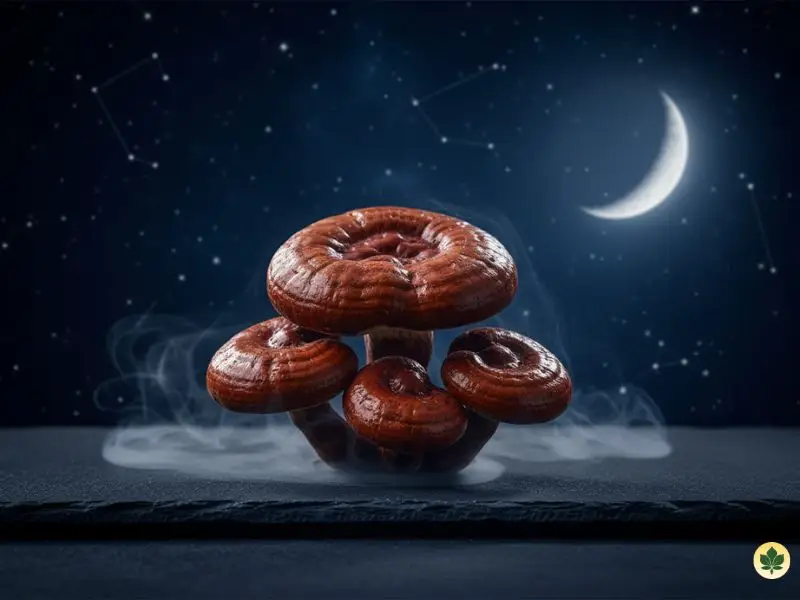
Efficacy Rating: ⭐⭐⭐⭐½ (4.7/5)
Latin Name: Ganoderma lucidum
How Reishi Promotes Sleep:
Reishi is the premier medicinal mushroom among herbs for better sleep:
- Adaptogenic: Balances stress response
- Triterpenes: Promote calmness and sleep
- Immune Support: Addresses inflammation disrupting sleep
- Histamine Modulation: Reduces allergies affecting sleep
Clinical Evidence:
Research in Pharmacology Biochemistry and Behavior found:
- Reishi extract increased sleep time
- Reduced sleep latency
- Increased non-REM sleep
- Calmed hyperactive behaviors
Studies show reishi:
- Improves sleep efficiency
- Reduces nighttime awakenings
- Enhances overall sleep quality
- Supports stress adaptation
Dosage & Timing:
- Standard Dose: 1,000-1,500mg extract (30% polysaccharides)
- Timing: 1-2 hours before bed OR evening dose
- Duration: Effects build over 1-2 weeks
- Form: Capsules, powder, tea, tincture
Best For:
- Stress-induced insomnia
- Immune-related sleep issues
- Those wanting mushroom benefits
- Long-term sleep support
- Combining with other adaptogens
Pros:
✅ Multi-system benefits (immune, stress, sleep)
✅ Traditional “shen tonic” (spirit calming)
✅ Builds over time (sustainable)
✅ Safe for long-term daily use
✅ Additional health benefits
✅ Well-researched medicinal mushroom
Cons:
❌ Takes 1-2 weeks for full sleep effects
❌ Woody/bitter taste (capsules better)
❌ More expensive than herbs
❌ Need quality extract (fruiting body)
❌ Not for immediate sleep need
Reddit User Experiences:
Reddit User Experiences:
Combinations:
Reishi pairs well with:
- Ashwagandha (adaptogen synergy)
- Magnesium (muscle relaxation)
- L-theanine (mental calmness)
- Chamomile tea (evening ritual)
Check out our related guide:
- Reishi Mushroom Benefits: The “Mushroom of Immortality”
- Best Time to Take Reishi: Morning or Night?
- Best Reishi Mushroom Supplements
9. Hops – The Brewery Sleep Secret 🍺
Efficacy Rating: ⭐⭐⭐⭐ (4.3/5)
Latin Name: Humulus lupulus
How Hops Promotes Sleep:
Hops (yes, from beer) is one of the most sedative herbs for better sleep:
- Methylbutenol: Sedative compound
- GABA Enhancement: Promotes relaxation
- Melatonin Content: Natural sleep hormone
- Synergistic with Valerian: Potent combination
Clinical Evidence:
Studies in Sleep Medicine Reviews found:
- Hops + valerian improved sleep quality
- Reduced sleep latency
- Comparable to benzodiazepines in some studies
- Safe and well-tolerated
Research shows hops:
- Contains natural sedative compounds
- Enhances valerian’s effects
- Promotes deeper sleep
- Traditional use validated by science
Dosage & Timing:
- Standard Dose: 300-500mg extract (often combined with valerian)
- Timing: 30-60 minutes before bed
- Duration: Works within 30-90 minutes
- Form: Capsules (combo products), tea, tincture, hops pillow
Best For:
- Combined with valerian (most common)
- Moderate to severe insomnia
- Those wanting potent herbal option
- Restlessness and agitation
Pros:
✅ Potent sedative effects
✅ Synergizes powerfully with valerian
✅ Quick-acting
✅ Traditionally validated
✅ Hops pillow option (aromatherapy)
Cons:
❌ Bitter taste (unpleasant alone)
❌ Phytoestrogenic (hormonal effects possible)
❌ Not for pregnancy/breastfeeding
❌ Can worsen depression in some
❌ Usually needs combination with valerian
Reddit User Experiences:
Reddit User Experiences:
Combinations:
Hops is almost always combined with:
- Valerian (classic potent combo)
- Passionflower (comprehensive sleep)
- Chamomile (taste improvement)
10. Holy Basil (Tulsi) – The Stress-Sleep Adaptogen 🌿
Efficacy Rating: ⭐⭐⭐⭐ (4.5/5)
Latin Name: Ocimum sanctum
How Holy Basil Promotes Sleep:
Holy basil is an adaptogen among herbs for better sleep, working primarily through stress management:
- Adaptogenic: Balances stress response
- Cortisol Modulation: Reduces stress hormone
- Mild Sedative: Evening relaxation
- Antioxidant Support: Protects against stress damage
Clinical Evidence:
Research in Evidence-Based Complementary Medicine found:
- Holy basil reduced stress-related sleep issues
- Improved mood and anxiety scores
- Better overall wellbeing
- Safe for daily long-term use
Studies show holy basil:
- Reduces perceived stress
- Improves stress-induced insomnia
- Enhances adaptability to stressors
- Supports healthy cortisol rhythm
Dosage & Timing:
- Standard Dose: 300-600mg extract OR 1-2 cups tea
- Timing: Evening dose (6-8 PM) OR 1 hour before bed
- Duration: Effects build over 1-2 weeks
- Form: Tea (traditional), capsules, tincture
Best For:
- Stress-induced insomnia
- Those wanting daytime stress support too
- Gentle adaptogenic approach
- Long-term sleep improvement
- Holistic wellness
Pros:
✅ Addresses root cause (stress)
✅ Daytime benefits (not sedating)
✅ Pleasant taste (tea form)
✅ Safe long-term daily use
✅ Additional health benefits
✅ Well-tolerated
✅ Spiritual significance (Ayurveda)
Cons:
❌ Mild direct sleep effects
❌ Takes 1-2 weeks for full benefits
❌ Not for immediate sleep need
❌ Can interact with blood thinners
❌ May affect blood sugar
Reddit User Experiences:
Reddit User Experiences:
Combinations:
Holy basil works well with:
- Ashwagandha (adaptogen synergy)
- Passionflower (anxiety relief)
- Magnesium (relaxation)
- Chamomile tea (evening blend)
Don’t miss this: Holy Basil vs Ashwagandha: Which Adaptogen Is Right for You?
11. Skullcap – The Nervous System Soother 🌼
Efficacy Rating: ⭐⭐⭐⭐ (4.3/5)
Latin Name: Scutellaria lateriflora
How Skullcap Promotes Sleep:
Skullcap is a nervine herb among herbs for better sleep, specifically targeting nervous system tension:
- GABA Enhancement: Calms nervous system
- Anxiolytic Properties: Reduces worry and rumination
- Muscle Relaxant: Releases physical tension
- Nervine Tonic: Restores nervous system health
Clinical Evidence:
While clinical research is limited compared to valerian, traditional herbalists prize skullcap for:
- Nervous tension and anxiety
- Restlessness and agitation
- Tension headaches that prevent sleep
- Muscle tension and spasms
Studies in Alternative Medicine Review found:
- Skullcap extract reduced anxiety
- Improved mood scores
- Enhanced overall calmness
- No adverse effects reported
Dosage & Timing:
- Standard Dose: 300-500mg extract OR 1-2 cups tea
- Timing: 30-60 minutes before bed
- Duration: Works within 30-60 minutes
- Form: Tea, tincture, capsules
Best For:
- Nervous tension preventing sleep
- Physical restlessness
- Muscle tension and tightness
- Racing nervous system
- Combining with other calming herbs
Pros:
✅ Excellent nervine (nervous system support)
✅ Releases physical tension
✅ Calms “wired” feeling
✅ Works well in combinations
✅ Traditional use validated
✅ Gentle, non-habit forming
Cons:
❌ Limited modern clinical research
❌ Quality varies (American vs Chinese skullcap)
❌ Mild effects alone (better in combinations)
❌ Less well-known than valerian
❌ Not for pregnancy/breastfeeding
Reddit User Experiences:
Reddit User Experiences:
Combinations:
Skullcap enhances:
- Valerian (nervous system + sleep)
- Passionflower (anxiety relief)
- California poppy (restlessness)
- Magnesium (muscle relaxation)
12. Lavender – The Aromatic Sleep Aid 💜
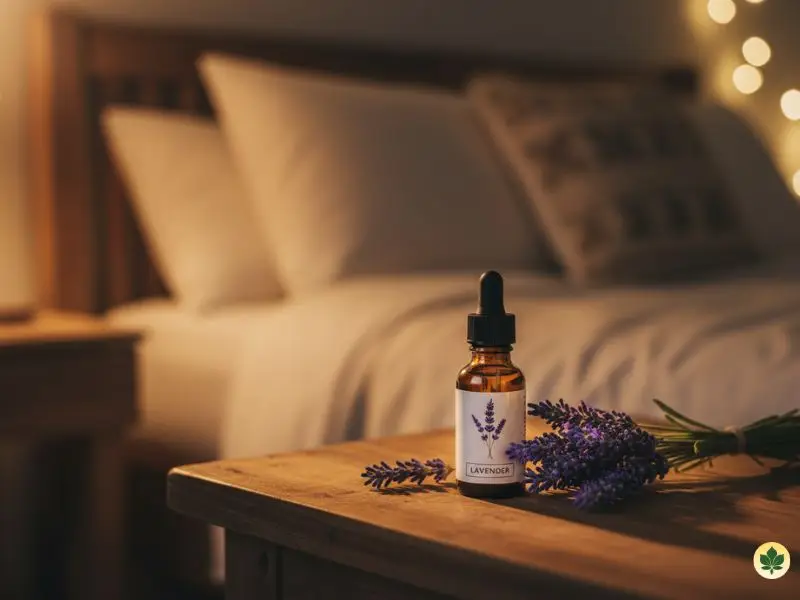
Efficacy Rating: ⭐⭐⭐⭐ (4.4/5)
Latin Name: Lavandula angustifolia
How Lavender Promotes Sleep:
Lavender works through olfaction and oral routes as one of the most pleasant herbs for better sleep:
- Aromatherapy: Linalool and linalyl acetate calm nervous system
- GABA Enhancement: When taken orally
- Anxiolytic Properties: Reduces anxiety
- Parasympathetic Activation: Triggers rest-and-digest mode
Clinical Evidence:
Extensive research in Evidence-Based Complementary Medicine found:
- Lavender aromatherapy improved sleep quality 20-30%
- Reduced sleep medication need in hospital patients
- Decreased anxiety and improved mood
- Safe and well-tolerated
Studies on oral lavender (Silexan):
- Comparable to lorazepam for anxiety
- Improved sleep quality
- No dependency or withdrawal
- Well-tolerated long-term
Dosage & Timing:
- Aromatherapy: 2-3 drops essential oil on pillow/diffuser
- Oral (Silexan): 80-160mg lavender oil capsules
- Tea: 1-2 cups (though less common)
- Timing: 30 minutes before bed
- Form: Essential oil (aromatherapy), capsules, tea, sachets
Best For:
- Aromatherapy enthusiasts
- Mild to moderate sleep issues
- Anxiety-related insomnia
- Creating sleep environment/routine
- Those sensitive to oral supplements
Pros:
✅ Pleasant, universally loved scent
✅ Aromatherapy very safe
✅ Creates calming bedtime ritual
✅ Oral form (Silexan) clinically proven
✅ Multiple delivery methods
✅ Gentle, non-sedating during day
✅ Can be used with children (aromatherapy)
Cons:
❌ Aromatherapy mild (not for severe insomnia)
❌ Oral lavender oil more expensive
❌ Essential oil can be irritating to skin
❌ Quality varies greatly
❌ Some find scent too strong
Reddit User Experiences:
Reddit User Experiences:
Combinations:
Lavender pairs beautifully with:
- Chamomile tea (calming blend)
- Valerian (aromatherapy + oral herbs)
- Magnesium (bath salts for bedtime ritual)
- Passionflower (anxiety relief)
How to Choose the Right Herb for Better Sleep
With 12 herbs for better sleep, how do you choose? Use this decision tree:
By Sleep Problem:
“I can’t fall asleep” (Sleep Onset Insomnia):
- Valerian root (most effective)
- Passionflower (if anxiety-related)
- Chamomile (gentle option)
“I can’t stay asleep” (Sleep Maintenance Insomnia):
- Magnolia bark (best for wake-ups)
- Valerian root (comprehensive)
- Reishi mushroom (builds over time)
“My mind races at bedtime”:
- Passionflower (anxiety + racing thoughts)
- Lemon balm (mental quieting)
- Ashwagandha (stress hormone management)
“I’m stressed/anxious all day and can’t sleep”:
- Ashwagandha (all-day + night support)
- Holy basil (adaptogenic stress management)
- Reishi (comprehensive stress adaptation)
“I wake up at 3 AM with anxiety”:
- Magnolia bark (nighttime cortisol)
- Ashwagandha (cortisol regulation)
- Passionflower (middle-of-night anxiety)
“I’m physically tense and restless”:
- Valerian + Hops (muscle relaxation)
- California poppy (restlessness)
- Skullcap (nervous tension)
- Magnesium (add for muscle relaxation)
By Personality/Preference:
“I want the most powerful option”:
→ Valerian root (600-900mg) + Hops (300-500mg)
“I want something gentle”:
→ Chamomile tea + Passionflower
“I want comprehensive health benefits”:
→ Reishi mushroom + Ashwagandha (adaptogens)
“I want pleasant taste/ritual”:
→ Chamomile + Lemon balm + Lavender tea blend
“I want evidence-based only”:
→ Valerian, Ashwagandha, Passionflower (most research)
“I want fast-acting”:
→ Valerian, Passionflower, Chamomile (work in 30-60 min)
“I want long-term solution”:
→ Ashwagandha, Holy basil, Reishi (address root causes)
By Budget:
Budget-Friendly:
- Chamomile tea (bulk)
- Valerian capsules (generic brands)
- Passionflower tea
Mid-Range:
- Quality valerian extract
- Ashwagandha (KSM-66)
- Combination formulas
Premium:
- Reishi mushroom extract (quality)
- Magnolia bark (standardized)
- Medical-grade combinations
Discover more insights here:
Powerful Sleep Herb Combinations (Stacks)

The best results often come from combining herbs for better sleep. Here are proven stacks:
Stack 1: The Classic Sleep Combo 💤
Ingredients:
- Valerian root: 400-600mg
- Passionflower: 250-500mg
- Lemon balm: 300mg
Best For: General insomnia, anxiety-related sleep issues
Why It Works: Valerian for GABAergic sleep promotion, passionflower for anxiety, lemon balm for racing thoughts. Synergistic effects.
Timing: 30-60 minutes before bed
Reddit Favorite: This combination appears in countless testimonials as the most effective natural sleep stack.
Stack 2: The Stress-Induced Insomnia Stack 🧘
Ingredients:
- Ashwagandha: 300-600mg (evening)
- Magnesium glycinate: 300-400mg
- Passionflower: 250-500mg
Best For: High stress, elevated cortisol, stress-induced sleep issues
Why It Works: Ashwagandha addresses root cause (stress/cortisol), magnesium relaxes muscles, passionflower calms mind.
Timing: Ashwagandha 1-2 hours before bed, others 30-60 min before bed
Personal Favorite: Best for modern high-stress lifestyles.
Stack 3: The “Can’t Stay Asleep” Stack 🌙
Ingredients:
- Magnolia bark: 200-400mg
- Reishi mushroom: 1,000-1,500mg
- Magnesium glycinate: 400mg
Best For: Nighttime awakenings, 3 AM cortisol spikes, sleep maintenance
Why It Works: Magnolia bark for nighttime cortisol, reishi for sustained calming, magnesium for muscle relaxation.
Timing: 1-2 hours before bed
User Reports: Highly effective for middle-of-night wake-ups.
Stack 4: The Maximum Power Stack 💪
Ingredients:
- Valerian root: 600mg
- Hops: 300-500mg
- Passionflower: 500mg
- Magnesium glycinate: 400mg
Best For: Severe insomnia, last resort before pharmaceuticals
Why It Works: Most potent herbal combination—valerian + hops synergy, passionflower for anxiety, magnesium for physical relaxation.
Timing: 30-60 minutes before bed
Warning: Start with half doses to assess tolerance. Very sedating for some.
Stack 5: The Gentle Daily Stack 🍵
Ingredients:
- Chamomile tea: 2 cups
- Ashwagandha: 300mg
- Lavender aromatherapy: 2-3 drops
Best For: Mild sleep issues, creating healthy sleep routine, long-term use
Why It Works: Gentle, sustainable, creates ritual, addresses stress gradually.
Timing: Tea at 8-9 PM, ashwagandha 1 hour before bed, lavender on pillow
Best For: Those who want lifestyle approach, not just supplements.
Stack 6: The Adaptogen Sleep Stack 🌿
Ingredients:
- Ashwagandha: 300-600mg
- Reishi mushroom: 1,000-1,500mg
- Holy basil: 300-500mg
Best For: Chronic stress, burnout, long-term sleep improvement
Why It Works: All adaptogens work synergistically to normalize stress response, build resilience, improve sleep architecture over time.
Timing: Evening doses (6-8 PM)
Timeline: Effects build over 2-4 weeks. Best for sustainable long-term improvement.
How to Use Herbs for Better Sleep: Dosing & Timing Guide
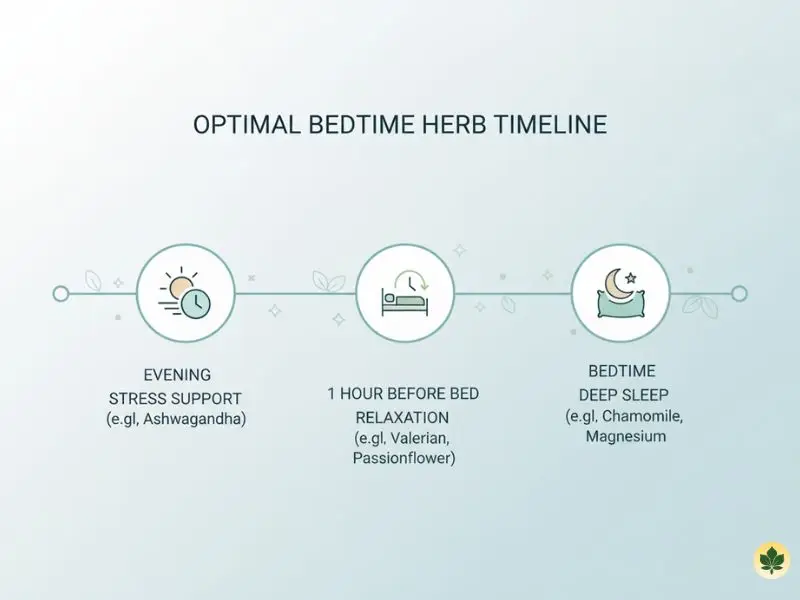
General Principles:
Timing:
- Most herbs: 30-60 minutes before bed
- Ashwagandha/adaptogens: 1-2 hours before bed (or with dinner)
- Aromatherapy (lavender): Ongoing during bedtime routine
With or Without Food:
- Most herbs: Either way is fine
- Ashwagandha: With food (better tolerance)
- Teas: On empty stomach or after light meal
Duration:
- Acute use: As needed for occasional insomnia
- Chronic use: 4-8 weeks minimum for full benefits
- Long-term: Most herbs safe for months to years
Cycling:
- Not necessary for most sleep herbs
- Consider breaks every 2-3 months if desired
- Rotate different herbs to maintain effectiveness
Starting Protocol (Beginners):
Week 1-2:
Start with ONE herb:
- Chamomile tea (gentlest) OR
- Passionflower (250mg) OR
- Valerian (400mg)
Week 3-4:
If insufficient results, add second herb:
- Valerian + Passionflower OR
- Ashwagandha + Chamomile
Week 5+:
Optimize based on results:
- Increase doses if needed
- Add third herb for comprehensive support
- Find your personal effective combination
Advanced Protocol (For Chronic Insomnia):
Evening Routine:
- 6-7 PM: Ashwagandha 300-600mg with dinner
- 8-9 PM: Herbal tea blend (chamomile + lemon balm)
- 9:30 PM: Valerian 600mg + Passionflower 500mg
- 10 PM: Magnesium 400mg + Lavender aromatherapy
- 10:30 PM: Bed
Additional Support:
- Reishi 1,000mg daily (building effect)
- Magnolia bark 200-400mg (if nighttime wake-ups)
Safety Considerations & Contraindications
While herbs for better sleep are generally safe, important cautions:
General Safety:
✅ Generally Safe For:
- Adults without health conditions
- Short to medium-term use (weeks to months)
- Most herbs safe long-term with medical supervision
❌ Avoid or Consult Doctor:
- Pregnancy and breastfeeding (most herbs)
- Children (dosing different, medical guidance needed)
- Liver disease (some herbs)
- Kidney disease (dose adjustments)
- Before surgery (stop 2 weeks prior)
Drug Interactions:
Sedatives/Sleep Medications:
- Can enhance effects (excessive sedation)
- Consult doctor before combining
- May allow medication reduction (under supervision)
Antidepressants:
- Some herbs interact with SSRIs, MAOIs
- Ashwagandha, holy basil: generally safe but consult
- St. John’s Wort: avoid (not on this list for this reason)
Blood Thinners:
- Some herbs (holy basil, reishi) affect clotting
- Consult doctor if on warfarin, aspirin
Blood Pressure Medications:
- Ashwagandha may lower BP (beneficial but monitor)
- Consult doctor for dose adjustments
Thyroid Medications:
- Ashwagandha affects thyroid (usually beneficial)
- Lemon balm may affect thyroid
- Monitor with doctor if on thyroid meds
Side Effects by Herb:
Valerian:
- Vivid dreams (some enjoy, others don’t)
- Morning grogginess (rare, reduce dose)
- Headache (uncommon)
- Strong smell (not harmful, just unpleasant)
Ashwagandha:
- Digestive upset (take with food)
- Drowsiness (dose in evening)
- Rare: thyroid changes (monitor if sensitive)
Passionflower:
- Dizziness (reduce dose)
- Confusion (rare, excessive dose)
Chamomile:
- Allergic reaction (if allergic to ragweed)
- Very rare: anaphylaxis (severe allergy)
Most Herbs:
- Start low, increase gradually
- Discontinue if adverse effects
- Quality matters (choose reputable brands)
According to National Center for Complementary and Integrative Health, herbal sleep aids are generally safe but interactions and individual responses vary.
Enhancing Results: Sleep Hygiene + Herbs
Herbs for better sleep work best when combined with proper sleep hygiene:
Sleep Environment:
✅ Temperature: 65-68°F (cool room)
✅ Darkness: Blackout curtains, no LED lights
✅ Quiet: White noise machine if needed
✅ Comfortable: Quality mattress and pillows
✅ Aromatherapy: Lavender diffuser
Bedtime Routine:
✅ Consistent Schedule: Same bedtime/wake time
✅ Wind-Down Hour: 9-10 PM relaxation
✅ Herbal Tea Ritual: 8-9 PM chamomile/lemon balm
✅ No Screens: Stop blue light 1-2 hours before bed
✅ Reading/Meditation: Calming activities
Daytime Habits:
✅ Morning Sunlight: 10-30 minutes within 1 hour of waking
✅ Exercise: Regular activity (not within 3 hours of bed)
✅ Limit Caffeine: None after 2 PM
✅ Limit Alcohol: Disrupts sleep architecture
✅ Stress Management: Meditation, yoga, adaptogen herbs
What to Avoid:
❌ Late Heavy Meals: Stop eating 3 hours before bed
❌ Evening Stimulation: Intense exercise, arguments, work
❌ Bedroom Activities: Keep bed for sleep and intimacy only
❌ Clock Watching: Remove visible clocks
❌ “Trying” to Sleep: Creates performance anxiety
Synergy: Herbs + sleep hygiene = exponentially better results than either alone.
Herbs for Better Sleep vs. Other Sleep Aids: Comparison
| Approach | Effectiveness | Side Effects | Dependency Risk | Cost | Best For |
|---|---|---|---|---|---|
| Herbs (Valerian, etc.) | ⭐⭐⭐⭐ | Low | Very Low | $ | Natural approach, most people |
| Melatonin | ⭐⭐⭐ | Low-Moderate | Low | $ | Jet lag, circadian issues |
| Magnesium | ⭐⭐⭐½ | Very Low | None | $ | Muscle tension, deficiency |
| CBT-I (Therapy) | ⭐⭐⭐⭐⭐ | None | None | $$ | Long-term solution, any insomnia |
| Prescription (Ambien) | ⭐⭐⭐⭐⭐ | High | High | $ | Severe acute insomnia (short-term) |
| OTC (Benadryl) | ⭐⭐⭐ | Moderate-High | Moderate | $ | Occasional use only |
| Benzos | ⭐⭐⭐⭐⭐ | High | Very High | $ | Last resort, medical supervision |
Verdict: Herbs offer the best balance of effectiveness, safety, and sustainability for most people.
Frequently Asked Questions About Herbs for Better Sleep
-
What are the best herbs for better sleep?
The best herbs for better sleep are valerian root (most effective, clinically proven), passionflower (excellent for anxiety-related insomnia), ashwagandha (stress-induced sleep issues), and chamomile (gentle, well-tolerated). Valerian root is the most researched with 400-900mg improving sleep quality in multiple clinical trials.
-
How long do herbs for sleep take to work?
Most herbs for better sleep like valerian and passionflower work within 30-90 minutes when taken before bed. However, for maximum benefits, consistent use for 2-4 weeks is recommended. Adaptogens like ashwagandha and reishi build effects gradually over 1-3 weeks as they address underlying stress and cortisol patterns.
-
Can I take sleep herbs every night?
Yes, most herbs for better sleep are safe for nightly long-term use. Valerian, chamomile, passionflower, and ashwagandha have been used daily in studies for 4-12 weeks without issues. Unlike prescription sleep aids, dependency risk is very low. However, occasional breaks every 2-3 months can help maintain effectiveness.
-
What herbs should I avoid before bed?
Avoid stimulating herbs before bed including green tea (caffeine), ginseng (energizing), rhodiola (activating), cordyceps (energy boost), and yerba mate (caffeine). These are better for morning use. Focus on calming herbs like valerian, passionflower, chamomile, lemon balm, and reishi for nighttime.
-
Can I combine multiple sleep herbs together?
Yes, combining herbs for better sleep often provides superior results. Classic combinations include valerian + passionflower, valerian + hops, and ashwagandha + magnesium. Start with one herb to assess tolerance, then add others gradually. Most sleep herb combinations are synergistic and safe when used at recommended doses.
-
Do sleep herbs cause morning grogginess?
Most herbs for better sleep cause minimal to no morning grogginess when dosed properly. Valerian rarely causes grogginess (reduce dose if occurs). Chamomile, passionflower, and ashwagandha typically leave you refreshed. If grogginess occurs, take herbs earlier (2 hours before bed) or reduce dosage by 50%.
-
Are herbal sleep aids safe with medications?
Many herbs for better sleep can interact with medications, especially sedatives, antidepressants, and blood thinners. Valerian, passionflower, and chamomile may enhance sedative effects. Ashwagandha can interact with thyroid and blood pressure medications. Always consult your doctor before combining herbs with prescription medications.
-
What’s better: valerian or melatonin for sleep?
Valerian is better for stress or anxiety-related insomnia and improves sleep architecture (deep sleep quality). Melatonin is better for circadian rhythm issues like jet lag or shift work. For most insomnia, valerian (400-900mg) shows superior effectiveness in clinical trials. You can combine both for comprehensive support.
The Bottom Line: Best Herbs for Better Sleep
After reviewing clinical research and user experiences, here’s my final verdict on herbs for better sleep:
🏆 Most Effective Overall: Valerian Root
Best for: Moderate to severe insomnia, chronic sleep issues
Why: Most clinically proven (29+ studies), improves sleep latency and quality, works for majority of users.
Dose: 400-900mg extract, 30-60 minutes before bed
😰 Best for Anxiety-Related Insomnia: Passionflower
Best for: Racing thoughts, worry, anxiety preventing sleep
Why: Calms mind beautifully, gentle but effective, pleasant taste.
Dose: 250-500mg extract or 1-2 cups tea, 30-60 min before bed
💪 Best for Stress-Induced Insomnia: Ashwagandha
Best for: High stress, elevated cortisol, burnout
Why: Addresses root cause (stress hormone dysregulation), improves deep sleep, provides daytime benefits.
Dose: 300-600mg KSM-66, 1-2 hours before bed or with dinner
🌙 Best for Staying Asleep: Magnolia Bark
Best for: Middle-of-night wake-ups, 3 AM anxiety
Why: Targets nighttime cortisol spikes, sustained action.
Dose: 200-400mg standardized extract, 30-60 min before bed
🍵 Best Gentle Option: Chamomile
Best for: Mild sleep issues, daily ritual, sensitive individuals
Why: Extremely safe, pleasant taste, creates healthy routine.
Dose: 1-2 cups tea, 30-45 min before bed
My Personal Recommendations:
For Beginners: Start with chamomile tea + passionflower (250mg)
For Moderate Insomnia: Valerian (600mg) + Passionflower (500mg)
For Stress Insomnia: Ashwagandha (600mg) + Magnesium (400mg)
For Severe Insomnia: Valerian (600mg) + Hops (300mg) + Passionflower (500mg) + Magnesium (400mg)
For Maintenance: Reishi (1,500mg) + Ashwagandha (300mg) daily
Ready to Finally Sleep Better?
Your 4-week action plan:
Week 1: Foundation
- Choose 1-2 herbs based on your sleep type
- Start with lower doses
- Establish bedtime routine
- Track sleep quality (1-10 scale)
Week 2: Optimization
- Increase doses if needed
- Add second herb if using only one
- Refine timing (find your sweet spot)
- Continue tracking
Week 3: Enhancement
- Add sleep hygiene improvements
- Consider adding magnesium
- Fine-tune herbal combination
- Assess overall progress
Week 4: Maintenance
- Lock in effective protocol
- Plan long-term approach
- Cycle herbs if desired
- Celebrate better sleep!
The best herbs for better sleep only work if you use them consistently and pair them with healthy sleep habits. Choose your herbs, commit to 4 weeks, and finally get the restorative sleep your body needs.
Dive deeper into Related Articles:
- Natural Sleep Aids That Work: 7 Alternatives to Melatonin
- Can You Take Ashwagandha and Melatonin Together?
- Best Ashwagandha Supplements: Top Brands Reviewed
- Reishi Mushroom Benefits: The “Mushroom of Immortality”
- Best Reishi Mushroom Supplements
- Chamomile Tea Benefits: Complete Guide
- Best Supplements for Anxiety
- Natural Remedies for Anxiety That Work
References:
- Bent S, et al. (2006). “Valerian for Sleep: A Systematic Review.” American Journal of Medicine. https://pubmed.ncbi.nlm.nih.gov/16808927/
- Ngan A, Conduit R. (2011). “A Double-Blind, Placebo-Controlled Investigation of Passionflower Herbal Tea.” Phytotherapy Research. https://pubmed.ncbi.nlm.nih.gov/21294203/
- Langade D, et al. (2019). “Efficacy of Ashwagandha Root Extract on Sleep Quality.” PLOS ONE. https://pubmed.ncbi.nlm.nih.gov/32795536/
- Adib-Hajbaghery M, Mousavi SN. (2017). “Chamomile Effects on Sleep Quality.” BMC Complementary Medicine. https://pubmed.ncbi.nlm.nih.gov/21867551/
- Cui Y, et al. (2012). “Ganoderma lucidum Promotes Sleep.” Pharmacology Biochemistry and Behavior. https://pubmed.ncbi.nlm.nih.gov/22849818/
- National Center for Complementary and Integrative Health. “Sleep Disorders: In Depth.” https://www.nccih.nih.gov/health/sleep-disorders-in-depth
- Sleep Medicine Reviews. “Herbal Medicine for Insomnia.” https://pubmed.ncbi.nlm.nih.gov/24661840/
- Mount Sinai. “Valerian Herbal Medicine Guide.” https://www.mountsinai.org/health-library/herb/valerian

