
If you’ve been taking melatonin to help you sleep, you might have noticed something: it doesn’t always work the way you’d hoped. Maybe you wake up groggy. Maybe you’re having vivid (sometimes disturbing) dreams. Or maybe it just stopped working altogether after a few weeks.
Here’s what most people don’t realize: melatonin isn’t actually a sleep aid that helps you fall asleep. It’s a hormone that signals the timing of your sleep—when your body should prepare for rest. Taking melatonin supplements is like trying to reset your internal clock, which can be helpful for jet lag or shift work, but it’s not designed to knock you out when you’re lying awake at 2 AM.
The good news? There are natural sleep aids that work differently—and often better—than melatonin for most people’s sleep struggles. These alternatives address the real reasons you can’t sleep: stress, anxiety, racing thoughts, muscle tension, and an overactive nervous system.
In this comprehensive guide, I’ll share 7 science-backed natural sleep aids that can help you fall asleep faster, stay asleep longer, and wake up refreshed—without the downsides of melatonin.
Why You Might Want Alternatives to Melatonin
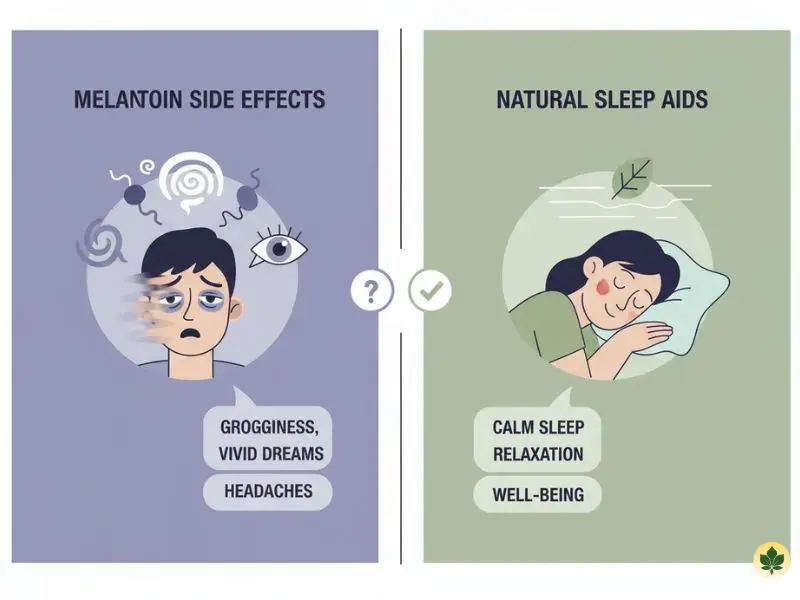
Before we dive into the alternatives, let’s talk about why you might be looking for them in the first place.
Common Issues with Melatonin:
1. Next-Day Grogginess Many people find that melatonin leads to drowsiness the next day. That foggy, sluggish feeling can interfere with work, driving, and daily activities.
2. Vivid Dreams and Nightmares Melatonin is associated with vivid dreams, which may be a natural consequence of sleeping more soundly. While some people find this interesting, others experience disturbing nightmares that disrupt sleep quality.
3. Diminishing Effectiveness Your body naturally produces melatonin, so taking supplemental melatonin long-term may reduce your body’s natural production. Many users report that melatonin stops working after a few weeks of regular use.
4. Wrong Problem, Wrong Solution If your sleep issues stem from stress, anxiety, or racing thoughts at bedtime, melatonin might not address the root cause. You might need supplements that calm your mind and body rather than just signal sleep timing.
5. Timing Complications Melatonin needs to be timed precisely (usually 2 hours before desired bedtime) to work with your circadian rhythm. Take it too early or too late, and it might actually make your sleep worse.
Who Should Skip Melatonin?
Consider alternatives if you:
- Experience next-day grogginess from melatonin
- Have vivid dreams or nightmares on melatonin
- Find melatonin has stopped working
- Struggle to “turn off your brain” at bedtime
- Deal with stress-related insomnia
- Want something you can take long-term safely
- Are looking for deeper, more restorative sleep
Now let’s explore what actually works when melatonin doesn’t.
The 7 Best Natural Sleep Aids (Melatonin-Free)
1. Reishi Mushroom: The Sleep Mushroom
⭐ Effectiveness Rating: 9/10 (Highest for Sleep)
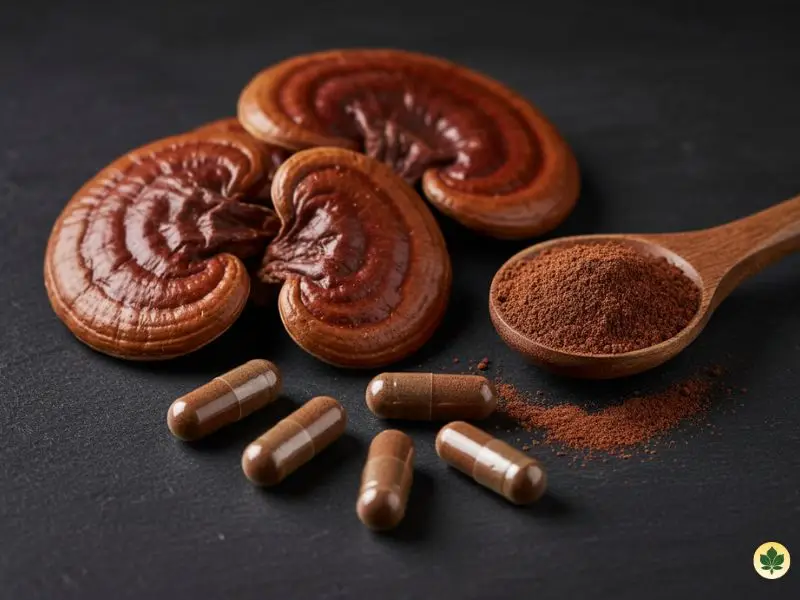
If I had to recommend one melatonin alternative that consistently delivers results, it would be reishi mushroom. Often called “the Mushroom of Immortality” or “the sleep mushroom,” reishi has been used in Traditional Chinese Medicine for over 2,000 years to promote rest and relaxation.
How It Works:
Reishi works on the hypothalamic pituitary adrenal axis by improving the functions of the adrenal gland. This helps regulate your stress response and sleep-wake cycle naturally.
When extracts of reishi mushrooms were taken for three days, it significantly increased total sleep time and non-rapid eye movement sleep.
Unlike melatonin, which just signals timing, reishi actually helps calm your overactive nervous system and reduce the stress hormones that keep you awake.
The Science:
Research shows reishi’s triterpenes (ganoderic acids) have calming effects on the central nervous system. The polysaccharides in reishi also support immune function, which improves during deep sleep.
One user tracked their sleep with a Whoop device and reported doubling their deep sleep after taking reishi around 5 PM.
Recommended Dosage:
- 1.5-2 grams of extract taken 2-4 hours before bed
- Look for dual-extracted products with 25%+ polysaccharides
- Take consistently for 2-4 weeks for best results
Real User Experiences:
“I finally get restful sleep now after years of insomnia. Reishi doesn’t make me groggy in the morning like melatonin did—I wake up actually refreshed.” – Long-term reishi user
“I tried melatonin for months and it stopped working. Switched to reishi and within a week my sleep quality improved dramatically. No weird dreams, just solid sleep.” – Reddit user
Best For: Stress-related insomnia, anxiety that keeps you awake, people who need deeper sleep quality
Read More:
- Reishi Mushroom Benefits (#1 recommendation)
- Best Time to Take Reishi
- Best Reishi Supplements
- Reishi vs Lions Mane
2. Magnesium Glycinate: The Calming Mineral

⭐ Effectiveness Rating: 8.5/10
Magnesium stands out among natural sleep aids for its direct effects on neural excitability and neurotransmitter regulation. Magnesium is a precursor for the hormone melatonin, and it may also reduce levels of cortisol while relaxing the muscles and calming the nervous system.
How It Works:
Magnesium acts as a natural calcium channel blocker in your nervous system, which means it helps calm overexcited nerves. It also increases GABA availability—the brain’s main calming neurotransmitter—and regulates glutamate binding to NMDA receptors, preventing the overstimulation that contributes to racing thoughts at bedtime.
Think of magnesium as your nervous system’s “off switch” at the end of the day.
The Science:
Clinical research demonstrates that magnesium supplementation produces the most significant benefits among individuals with existing deficiencies, which affect an estimated 50% of the general population.
Studies show magnesium supplementation helped people fall asleep faster, increased sleep time, and improved sleep quality—particularly in older adults and those with magnesium deficiency.
Recommended Dosage:
- Magnesium Glycinate: 200-400mg taken 30-60 minutes before bed (best absorbed, gentle on stomach)
- Magnesium L-Threonate: 1,500-2,000mg daily (crosses blood-brain barrier for cognitive benefits too)
- Avoid magnesium oxide (poorly absorbed and can cause digestive issues)
Why Magnesium Glycinate Specifically:
Magnesium glycinate benefits are diverse. The magnesium binds to glycine, a neurotransmitter that helps calm the nervous system. This form is gentle on your stomach and won’t cause the digestive upset that cheaper forms like magnesium oxide can cause.
Real User Experience:
“Moon Juice’s Magnesi-Om has been a game changer. I’ve been consistently drinking it about 20 minutes before bed for the last several weeks and my sleeping length and quality is so much better! As a menopausal woman, this has been life-changing.” – Verified user review
Best For: Anxiety-related sleep issues, muscle tension at night, restless legs, people with magnesium deficiency
3. Valerian Root: Nature’s Valium

⭐ Effectiveness Rating: 7.5/10
Valerian root has been used since ancient Greece and Rome as a natural remedy for sleep and anxiety. Unlike melatonin which works by regulating circadian rhythms, valerian root promotes sleep through GABAergic mechanisms—similar to how some prescription sleep medications function.
How It Works:
Valerian enhances GABA activity in the brain by preventing its breakdown, leaving more of this calming neurotransmitter available. Research suggests valerian binds to the beta subunit of GABA-A receptors, producing calming effects similar to benzodiazepines but much gentler and non-addictive.
Valerenic acid, the primary active compound in valerian root, is responsible for much of its relaxing and sleep-promoting effects.
The Science:
A systematic review and meta-analysis of 16 studies involving 1,093 patients found statistically significant improvements in sleep quality, with improved sleep reported by 1.8 times compared to placebo.
Studies suggest taking 300 to 600 milligrams of valerian up to an hour before bedtime can help people fall asleep and improve their sleep quality.
Recommended Dosage:
- 300-600mg of valerian extract taken 30-60 minutes before bed
- Tea form: 1-2 cups an hour before bed
- Tincture: Follow manufacturer instructions (typically 2-4 ml)
Real User Experiences:
“After experimenting, I found that if I take 650mg about an hour before desired sleep time, I would fall asleep easily, sleep well, and wake up refreshed. For me, it worked wonderfully; now I sleep well every night.” – Drugs.com verified review
“I use valerian herbal tea and my gosh, they work a treat for relaxing and helping set you off into a deep sleep. I haven’t dreamed like this so much since I was a child! I feel refreshed after a deep sleep.” – Long-term user
Important Notes:
- Valerian has a distinct (some say unpleasant) smell—this is normal and a sign of quality
- Works best with consistent use over 2-4 weeks
- Some people experience mild headaches initially
- Generally considered safe for short to medium-term use (up to 6 months)
Best For: Anxiety-driven insomnia, staying asleep through the night, people who respond well to GABA-enhancing supplements
4. L-Theanine: Calm Without Drowsiness
⭐ Effectiveness Rating: 7/10
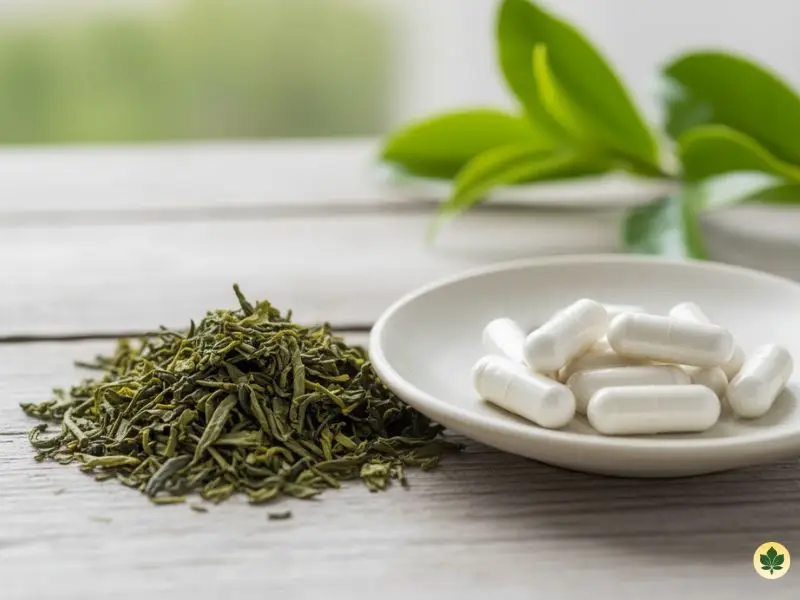
Green tea contains an amino acid called L-theanine that may improve stress and anxiety symptoms. While technically not a sedative, L-theanine promotes the kind of relaxed mental state that makes falling asleep easier.
How It Works:
L-theanine increases alpha brain waves (associated with relaxed alertness) while simultaneously boosting GABA, dopamine, and serotonin levels. This creates a state of “calm focus”—you’re relaxed but not drowsy, which is perfect for winding down before bed without feeling forced into sleep.
The Science:
Studies show L-theanine reduces stress-related symptoms and improves sleep quality without causing next-day sedation. It’s particularly effective when combined with other calming nutrients like magnesium.
Recommended Dosage:
- 200-400mg taken 30-60 minutes before bed
- Can be taken earlier in the evening if you experience bedtime anxiety
- Safe to use daily long-term
Best For: Bedtime anxiety, racing thoughts, people who need to relax but not feel sedated
5. Passionflower: The Anxiety-Sleep Combo
⭐ Effectiveness Rating: 7/10
Strong evidence exists for the use of herbal supplements containing extracts of passionflower as treatments for anxiety symptoms and sleep disorders.
How It Works:
Passionflower contains GABA—a chemical that promotes sleep. Studies indicate that passionflower extracts and herbal teas can improve insomnia symptoms and sleep quality by increasing GABA levels in the brain.
It produces calming effects similar to benzodiazepines but much gentler, making it easier to drift off naturally.
The Science:
Research shows passionflower helps reduce anxiety and improve sleep quality. In studies, people who drank passionflower tea reported better sleep quality than those who didn’t.
Recommended Dosage:
- Extract: 250-500mg daily
- Tea: 1-2 cups before bed
- Tincture: 20-40 drops 2-3 times daily
Best For: Anxiety-related insomnia, nighttime worry, mild to moderate sleep issues
6. Ashwagandha: The Stress-Busting Adaptogen
⭐ Effectiveness Rating: 8/10 (Best for Stress-Related Sleep Issues)
While ashwagandha is primarily known for anxiety relief, it’s excellent for sleep when stress is keeping you awake.
How It Works:
Ashwagandha helps normalize elevated cortisol levels associated with chronic stress. Lower cortisol at night = easier time falling asleep and staying asleep.
The herb also enhances GABA receptor sensitivity, creating effects similar to anxiety medications but through natural pathways.
The Science:
Research indicates dosages around 600mg daily of standardized extract taken consistently for 8-10 weeks produce significant sleep improvements. Studies show ashwagandha improves sleep quality, efficiency (time asleep vs. time in bed), and reduces the time it takes to fall asleep.
Recommended Dosage:
- 300mg twice daily (morning and evening) OR
- 600mg taken 2 hours before bed
- Use KSM-66 or Sensoril® branded extracts
- Take for at least 4 weeks for full effects
Important: Some people find ashwagandha too stimulating at night. If this happens, take your full dose in the morning instead.
Best For: Chronic stress, worry that prevents sleep, cortisol-related sleep issues
Recommended to read:
7. Glycine: The Amino Acid Sleep Enhancer
⭐ Effectiveness Rating: 6.5/10
Glycine is an amino acid that can also act as an inhibitory neurotransmitter—a chemical messenger that calms brain activity.
How It Works:
Glycine helps support sleep quality and efficiency and promotes falling asleep without next-day sleepiness. It works by lowering core body temperature and increasing blood flow to extremities, which signals your body it’s time to sleep.
The amino acid L-tryptophan also has a long history of use for sleep-related support. As a precursor to serotonin and melatonin, L-tryptophan may work by prompting your body to produce sleep hormones naturally.
The Science:
Studies suggest glycine supplements help decrease the time spent awake after initially falling asleep and support a healthy sleep-wake cycle. Research shows 3 grams before bed improved sleep quality and reduced daytime fatigue.
Recommended Dosage:
- 3 grams of glycine powder mixed in water before bed
- L-tryptophan: 500-1,000mg if using instead
- Both are generally safe for long-term use
Best For: Temperature dysregulation at night, staying asleep, people who wake frequently
Combining Natural Sleep Aids: Effective Stacks
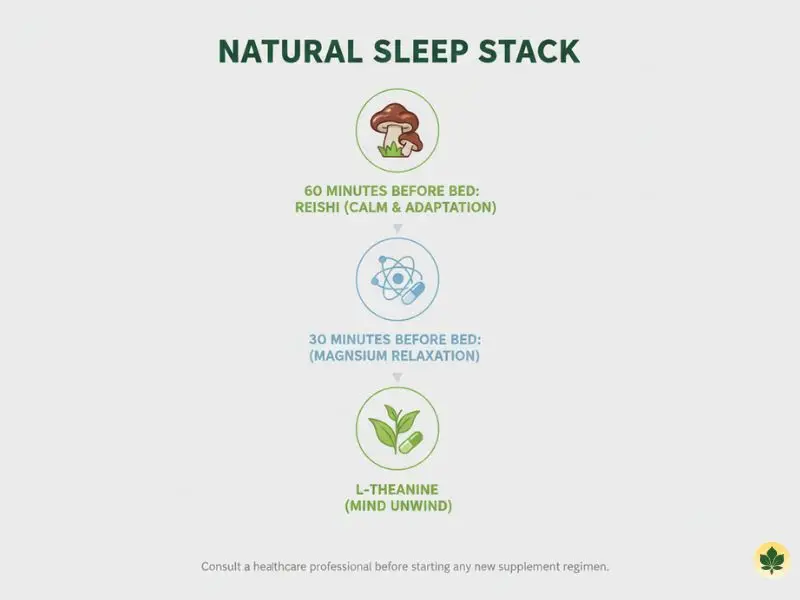
Many people find the best results come from combining multiple sleep aids. Here are safe, evidence-based combinations:
The Deep Sleep Stack (Most Popular):
- 2-4 hours before bed: Reishi (1.5g) + Ashwagandha (300mg if taking evening dose)
- 30-60 min before bed: Magnesium Glycinate (400mg) + L-Theanine (200mg)
- Ongoing: Address sleep hygiene and stress management
Why it works: Covers stress reduction (ashwagandha), nervous system calming (reishi + magnesium), and mental relaxation (L-theanine).
The Anxiety-Sleep Stack:
- Evening: Ashwagandha (300mg) + Passionflower tea
- Before bed: Magnesium Glycinate (400mg) + Valerian (300-600mg)
- As needed: L-Theanine (200mg) for acute bedtime anxiety
Why it works: Triple GABA support (passionflower, valerian, magnesium) plus cortisol regulation (ashwagandha).
The Gentle Beginner Stack:
- Before bed: Magnesium Glycinate (200mg) + Passionflower tea
- If needed: L-Theanine (200mg)
Why it works: Minimal supplements, gentle effects, easy to assess individual responses.
Important Stacking Safety Rules:
- Start with ONE supplement at a time (wait 2 weeks before adding another)
- Don’t combine multiple GABA-enhancing supplements without medical supervision
- Monitor for excessive drowsiness or morning grogginess
- Consult your doctor if on any medications
Natural Sleep Aids vs. Melatonin: Head-to-Head Comparison
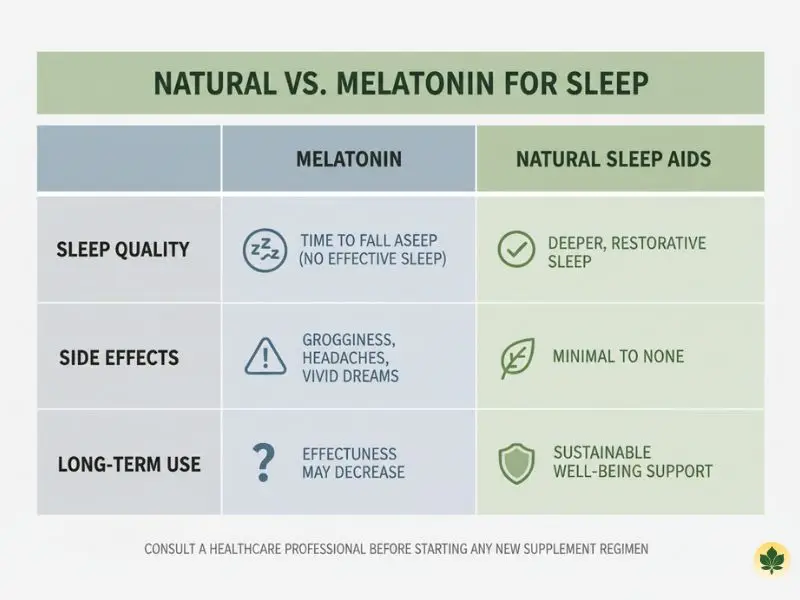
| Factor | Melatonin | Reishi | Magnesium | Valerian | L-Theanine |
|---|---|---|---|---|---|
| Mechanism | Circadian timing | Stress/nervous system | Mineral/GABA | GABA enhancer | Relaxation without sedation |
| Sleep Onset | ⭐⭐ | ⭐⭐⭐⭐ | ⭐⭐⭐ | ⭐⭐⭐⭐ | ⭐⭐⭐ |
| Sleep Quality | ⭐⭐ | ⭐⭐⭐⭐⭐ | ⭐⭐⭐⭐ | ⭐⭐⭐⭐ | ⭐⭐⭐ |
| Next-Day Clarity | ⭐⭐ | ⭐⭐⭐⭐⭐ | ⭐⭐⭐⭐⭐ | ⭐⭐⭐ | ⭐⭐⭐⭐⭐ |
| Long-Term Use | ⭐⭐ | ⭐⭐⭐⭐⭐ | ⭐⭐⭐⭐⭐ | ⭐⭐⭐ | ⭐⭐⭐⭐⭐ |
| Stress/Anxiety | ⭐ | ⭐⭐⭐⭐⭐ | ⭐⭐⭐⭐ | ⭐⭐⭐⭐ | ⭐⭐⭐⭐ |
| Side Effects | Moderate | Minimal | Minimal | Mild-Moderate | Minimal |
| Cost/Month | $10-20 | $30-50 | $15-25 | $15-30 | $20-35 |
How to Choose the Right Sleep Aid for You
Choose Reishi If:
- ✅ Stress and anxiety keep you awake
- ✅ You want deeper, more restorative sleep
- ✅ You wake up frequently during the night
- ✅ Melatonin made you groggy
- ✅ You want immune support benefits too
Choose Magnesium If:
- ✅ You have muscle tension or restless legs
- ✅ You’re likely magnesium deficient (50% of people are)
- ✅ You want something gentle and affordable
- ✅ You have anxiety-related sleep issues
- ✅ You’re okay with consistent daily supplementation
Choose Valerian Root If:
- ✅ You have trouble falling asleep initially
- ✅ Anxiety prevents sleep onset
- ✅ You respond well to GABA-based remedies
- ✅ You’re okay with a strong herbal smell
- ✅ You want something with long historical use
Choose L-Theanine If:
- ✅ Racing thoughts keep you awake
- ✅ You need to relax but stay alert in the evening
- ✅ You want something with zero drowsiness risk
- ✅ Bedtime anxiety is your main issue
- ✅ You prefer a gentle, subtle approach
Choose Ashwagandha If:
- ✅ Chronic stress is ruining your sleep
- ✅ High cortisol is your problem
- ✅ You need all-day stress management too
- ✅ You want mood benefits alongside sleep
- ✅ You’re committed to 4+ weeks of consistent use
Choose Passionflower If:
- ✅ You prefer herbal teas
- ✅ Mild to moderate sleep issues
- ✅ You want something gentle
- ✅ Anxiety accompanies your insomnia
- ✅ You like traditional herbal remedies
Lifestyle Habits That Enhance Natural Sleep Aids
Supplements work best when combined with good sleep hygiene:
Sleep Environment Optimization:
- Temperature: Keep bedroom 65-68°F (18-20°C)
- Darkness: Use blackout curtains or eye mask
- Noise: White noise machine if needed
- Comfort: Quality mattress and pillows matter
Evening Routine:
- 2-3 hours before bed: No large meals, limit liquids
- 1-2 hours before bed: Dim lights, turn on blue light filters
- 1 hour before bed: No screens (TV, phone, laptop)
- 30-60 minutes before bed: Take sleep supplements
- Wind-down activities: Reading, stretching, meditation, warm bath
What to Avoid:
- Caffeine after 2 PM (half-life is 5-6 hours)
- Alcohol close to bedtime (disrupts sleep architecture)
- Intense exercise within 2 hours of bed
- Stressful activities or difficult conversations before sleep
- Clock-watching if you wake up at night
Diet for Better Sleep:
Foods that support sleep:
- Tart cherry juice (natural melatonin)
- Turkey, chicken, eggs (tryptophan)
- Almonds, walnuts (magnesium)
- Chamomile tea (mild sedative)
- Kiwi fruit (serotonin support)
- Fatty fish (omega-3s + vitamin D)
When to See a Doctor
Natural sleep aids work wonderfully for many people, but they’re not always sufficient. Seek professional help if:
Immediate concerns:
- Sleep deprivation affecting daily function
- Suspected sleep apnea (snoring, gasping, daytime fatigue)
- Chronic insomnia (3+ nights/week for 3+ months)
- Depression or suicidal thoughts
- Substance use to cope with insomnia
Signs you need professional evaluation:
- Natural remedies haven’t helped after 2-3 months
- Sleep problems worsening despite interventions
- Extreme daytime sleepiness or falling asleep inappropriately
- Loud snoring or breathing pauses during sleep
- Unusual movements or behaviors during sleep
Professional treatments available:
- Cognitive Behavioral Therapy for Insomnia (CBT-I) – gold standard
- Sleep studies to diagnose disorders
- Prescription medications when appropriate
- Treatment of underlying conditions (anxiety, depression, sleep apnea)
Common Mistakes to Avoid
Mistake #1: Expecting Instant Results
Most natural sleep aids take 2-4 weeks of consistent use to show full effects. Don’t give up after a few nights.
Solution: Commit to at least 4 weeks, track your sleep, be patient.
Mistake #2: Taking Too Close to Bedtime
Many supplements need time to work—taking them right at bedtime won’t be effective.
Solution: Take reishi/ashwagandha 2-4 hours before bed, magnesium/valerian 30-60 minutes before.
Mistake #3: Poor Quality Products
Not all supplements are created equal. Many are underdosed or contaminated.
Solution: Choose third-party tested brands, check for proper extraction methods, verify standardization.
Mistake #4: Ignoring Sleep Hygiene
No supplement can overcome terrible sleep habits.
Solution: Fix sleep environment, establish consistent schedule, limit screens, manage stress.
Mistake #5: Combining Too Many Supplements
Starting 4-5 supplements at once makes it impossible to know what’s working.
Solution: Add one supplement every 2 weeks, track effects carefully.
The Bottom Line: Best Melatonin Alternatives
After reviewing all the research and real-world experiences, here’s my honest recommendation for melatonin alternatives:
Best Overall Sleep Aid: Reishi Mushroom
- Most consistent results for sleep quality
- Addresses stress and immune health too
- Minimal side effects
- Safe for long-term use
- $30-50/month
Best Budget Option: Magnesium Glycinate
- Affordable ($15-25/month)
- Addresses common deficiency
- Multiple health benefits
- Very safe
- Gentle and effective
Best for Falling Asleep: Valerian Root
- Specifically targets sleep onset
- Strong historical use
- GABAergic mechanism
- $15-30/month
Best Stack: Reishi + Magnesium + L-Theanine
- Comprehensive approach
- Addresses multiple sleep issues
- Synergistic effects
- ~$50-80/month
Remember:
- Natural sleep aids work best with good sleep hygiene
- Give supplements 4 weeks before judging effectiveness
- Start with one supplement, add others gradually
- Consistency is key—take daily at the same time
- Seek professional help if sleep doesn’t improve
Natural sleep aids aren’t magic pills, but they’re powerful tools that can significantly improve your sleep when used correctly—often with better results and fewer side effects than melatonin.
Sweet dreams! 😴
Frequently Asked Questions
What’s the safest natural sleep aid for long-term use?
Magnesium glycinate and reishi mushroom are both considered safe for long-term daily use. Magnesium is a mineral many people are deficient in, and reishi has been used safely for centuries. Valerian root is generally recommended for shorter-term use (up to 6 months), though many people use it longer without issues.
Can I take these natural sleep aids every night?
Most of these natural sleep aids (reishi, magnesium, L-theanine, ashwagandha) are safe for nightly use. Valerian root and passionflower are sometimes recommended for shorter-term use, though many people take them long-term without problems. Start with nightly use and take occasional breaks (1 week every 3 months) if desired.
How long does it take for natural sleep aids to work?
Some work relatively quickly (valerian, magnesium, L-theanine may help within days), while others build effects over time (reishi, ashwagandha work best after 2-4 weeks of consistent use). Give any new supplement at least 4 weeks before deciding if it’s effective for you.
Will I wake up groggy from these natural sleep aids?
Most of these alternatives (reishi, magnesium, L-theanine, glycine) cause minimal to no morning grogginess. Valerian can occasionally cause morning drowsiness in some people, especially at higher doses. If you experience grogginess, reduce your dose or take it earlier in the evening.
Can I combine multiple natural sleep aids?
Yes, but start one at a time. Wait 2 weeks before adding another so you can identify what’s working. Common safe combinations include reishi + magnesium, ashwagandha + L-theanine, or passionflower + valerian. Avoid combining multiple GABA-enhancing supplements without medical supervision.
Are these safe if I’m on medications?
Not necessarily. Reishi can interact with blood thinners and immunosuppressants. Valerian may interact with sedatives and anti-anxiety medications. Ashwagandha can affect thyroid and blood pressure medications. Always consult your doctor before combining supplements with prescription medications.
Which natural sleep aid works fastest?
L-theanine and valerian root typically work within 30-60 minutes for acute relaxation. However, for sustained sleep improvements, reishi and magnesium work best with consistent use over 2-4 weeks.
Can children take these natural sleep aids?
Some (like magnesium) may be safe for children with proper dosing and medical supervision. Others (reishi, ashwagandha, valerian) are not well-studied in children. Always consult a pediatrician before giving supplements to minors. Behavioral approaches (sleep hygiene, meditation) are first-line for young people.
What if these don’t work for me?
If you’ve tried multiple natural sleep aids consistently for 2-3 months without improvement, it’s time to see a sleep specialist. You may have an underlying sleep disorder (like sleep apnea) that requires professional treatment. Cognitive Behavioral Therapy for Insomnia (CBT-I) is often the most effective treatment.
How much do these natural sleep aids cost per month?
– Magnesium: $15-25/month (most affordable)
– Valerian root: $15-30/month
– L-theanine: $20-35/month
– Passionflower: $10-20/month
– Reishi: $30-50/month
– Ashwagandha: $25-40/month
– Combined stack: $50-80/month
Ready to sleep better naturally? Start with reishi or magnesium, commit to 4 weeks of consistent use, optimize your sleep hygiene, and track your results. You deserve restful, restorative sleep—and you can achieve it without relying on melatonin.
Have you tried any of these melatonin alternatives? What worked best for you? Share your experience in the comments!
Medical Disclaimer: This article is for informational purposes only and is not medical advice. Natural sleep aids can interact with medications and may not be appropriate for everyone. Always consult with a qualified healthcare provider before starting any new supplement, especially if you have medical conditions, take medications, or experience chronic sleep problems.
Related Articles:
- Reishi Mushroom Benefits for Sleep and Stress
- Best Time to Take Reishi: Morning or Night?
- Best Reishi Mushroom Supplements
- Ashwagandha Dosage for Anxiety
- Natural Remedies for Anxiety That Work
- Reishi vs Lions Mane Comparison
- Complete Guide to Medicinal Mushrooms
Sources:
- Sleep Foundation – Natural Sleep Aids (July 2025)
- WebMD – Natural Sleep Remedies
- Life Extension – 10 Melatonin Alternatives
- Henry Ford Health – Skip The Melatonin (2022)
- Healthline – 10 Natural Sleep Aids (March 2025)
- The Good Trade – Best Melatonin Alternatives (April 2025)
- NCOA – Best Natural Remedies for Sleep
- Johns Hopkins Medicine – Natural Sleep Aids (October 2025)
- MoonBrew – Natural Sleep Aids Without Melatonin (January 2025)
- Sleep Foundation – Valerian Root for Sleep (September 2025)
- The Sleep Reset – Valerian Root vs Melatonin (September 2025)
- Multiple clinical studies and user review databases

