
If you’re dealing with anxiety, you’ve probably noticed that everyone and their wellness influencer aunt has an opinion on what “natural remedy” you should try. Crystals. Essential oils. Herbal teas. Some weird breathing technique. The list goes on.
Here’s the truth: not all natural remedies for anxiety are created equal. Some are backed by solid science and consistently help people feel better. Others are basically expensive placebo effects wrapped in pretty marketing.
After digging through hundreds of studies and talking to real people who’ve successfully managed their anxiety naturally, I’ve identified the remedies that actually work—and I’m breaking down exactly how to use them.
Whether you’re dealing with occasional stress or chronic anxiety, this guide will help you find evidence-based natural solutions that fit your life. No woo-woo nonsense, just practical strategies backed by research and real results.
Understanding Anxiety: What You’re Really Dealing With
Before we dive into remedies, let’s get real about what anxiety actually is.
Anxiety disorders are the most common behavioral health disorders, affecting nearly 29% of the entire population. That’s not just “feeling stressed” occasionally—we’re talking about persistent worry, physical symptoms, and interference with daily life.
Types of Anxiety Disorders
- Generalized Anxiety Disorder (GAD): Persistent worry about everyday things
- Social Anxiety: Fear of social situations and judgment
- Panic Disorder: Sudden, intense fear with physical symptoms
- Specific Phobias: Intense fear of specific objects or situations
- OCD: Intrusive thoughts and repetitive behaviors
- PTSD: Anxiety following traumatic events
Physical Symptoms You Might Experience
- Racing heart or palpitations
- Chest tightness
- Shortness of breath
- Muscle tension
- Digestive issues
- Sweating
- Trembling
- Fatigue
- Sleep problems
The good news? All of these symptoms can improve with the right natural approaches—often without the side effects that come with prescription medications.
12 Natural Remedies for Anxiety That Actually Work
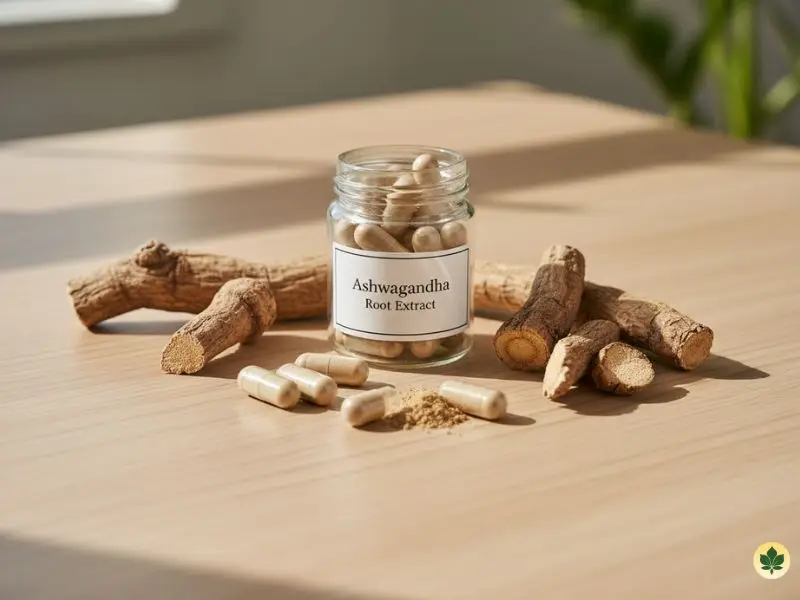
1. Ashwagandha: The Anxiety-Fighting Adaptogen
⭐ Effectiveness Rating: 9/10 (Highest)
If I had to pick one natural remedy that consistently delivers results for anxiety, it would be ashwagandha. This ancient Ayurvedic herb has earned its reputation through both tradition and modern science.
How It Works:
Ashwagandha helps by normalizing elevated cortisol levels associated with chronic stress and enhancing GABA receptor sensitivity, creating effects similar to anxiety medications but through natural pathways.
The main compound in ashwagandha—withanolides—literally helps calm your overactive nervous system while supporting your body’s natural stress response.
The Science:
A study showed that the herb can mitigate anxiety as much as pharmaceuticals like lorazepam or imipramine when taken twice a day over 60 days.
Research indicates dosages around 600mg daily of standardized extract taken consistently for 8-10 weeks produce significant anxiety reduction comparable to some conventional medications but without associated side effects.
Recommended Dosage:
- Start with 300mg once daily for 2 weeks
- Increase to 300mg twice daily (morning and evening) if needed
- Use KSM-66 or Sensoril® branded extracts (standardized to 5%+ withanolides)
- Take for at least three months to see if you notice a difference, typically in four to 12 weeks you’ll notice feeling calmer
Learn more about ashwagandha dosage → [Link Here]
Real User Experience:
Most Reddit users report 300mg twice daily is the winner, with users consistently reporting better results splitting the dose rather than taking 600mg all at once.
One long-term user reported: “I can work in a busy environment and feel calm. I have never had side effects from it and I am so happy I found this product.”
Important Note:
Some people experience paradoxical reactions. Ashwagandha can disrupt stress hormone cycles in individuals with adrenal fatigue or irregular cortisol patterns, and may boost thyroid function, potentially creating a ‘wired’ feeling in some people.
If you experience restlessness or sleep disruption, try taking it in the morning only or reducing your dose.
Best For: Generalized anxiety, stress-related anxiety, chronic worry
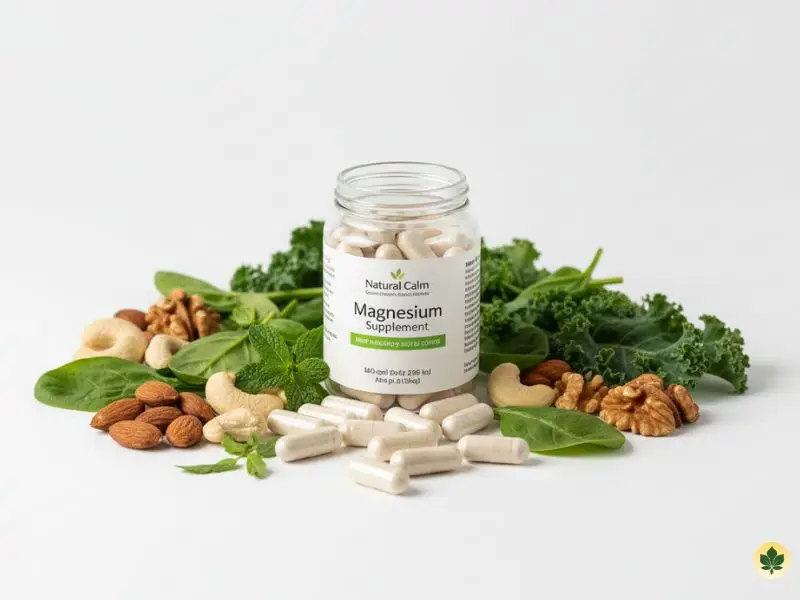
2. Magnesium: The Natural Calm Mineral
⭐ Effectiveness Rating: 8/10
Magnesium stands out among natural anxiety remedies for its direct effects on neural excitability and neurotransmitter regulation, serving as a natural calcium channel blocker and helping regulate electrical activity within the brain.
How It Works:
The anxiety-calming mechanism of magnesium involves increasing GABA availability and regulating glutamate binding to NMDA receptors, preventing overstimulation that contributes to anxiety symptoms.
Think of magnesium as your nervous system’s “chill pill”—it literally helps calm overexcited nerves.
The Science:
Although magnesium monotherapy was shown to be no different than placebo in one study, magnesium-containing supplements are generally well-tolerated with very few reported side effects.
Clinical research demonstrates that magnesium supplementation produces the most significant benefits among individuals with existing deficiencies, which affect an estimated 50% of the general population.
Recommended Dosage:
- Magnesium Glycinate: 200-400mg daily (best absorbed, gentle on stomach)
- Magnesium L-Threonate: 1,500-2,000mg daily (crosses blood-brain barrier)
- Take in the evening for sleep support
- Avoid magnesium oxide (poorly absorbed)
Best For: Anxiety with muscle tension, sleep-related anxiety, magnesium-deficient individuals
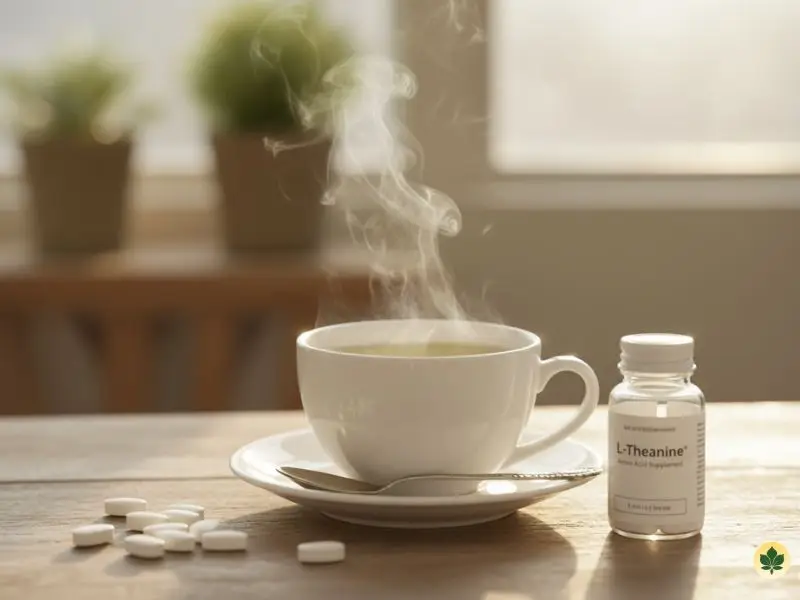
3. L-Theanine: Calm Focus Without Drowsiness
⭐ Effectiveness Rating: 7.5/10
Found naturally in green tea, L-theanine provides calm alertness—reducing anxiety without making you sleepy.
How It Works:
Green tea contains an amino acid called L-theanine that may improve stress and anxiety symptoms.
L-theanine increases alpha brain waves (associated with relaxed alertness) while boosting GABA, dopamine, and serotonin.
Recommended Dosage:
- Standard dose: 200-400mg daily
- For acute anxiety: 200mg as needed
- Take 30-60 minutes before stressful situations
- Can combine with caffeine for focused calm (1:2 ratio caffeine:theanine)
Real User Experience:
One Reddit user shared: “I take L-theanine every day and it helps with my anxiety. I take 400mg once a day in the morning.”
Warning: One user reported anxiety spiking when taking 100mg over the recommended 300mg dose, so start conservatively.
Best For: Social anxiety, performance anxiety, daytime anxiety without sedation
4. Passionflower: The Sleep & Anxiety Helper
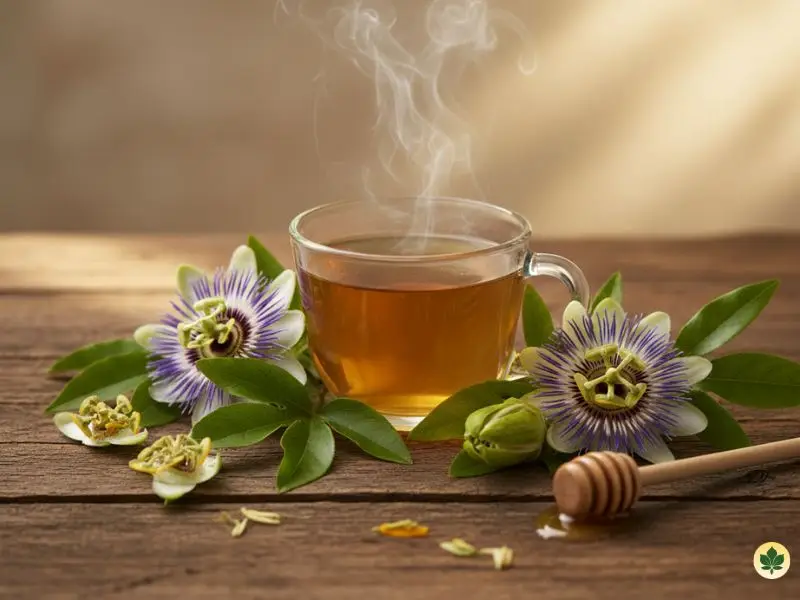
⭐ Effectiveness Rating: 7/10
Strong evidence exists for the use of herbal supplements containing extracts of passionflower as treatments for anxiety symptoms and disorders.
How It Works:
Passionflower increases GABA levels in the brain, producing calming effects similar to benzodiazepines but much gentler.
Recommended Dosage:
- Extract: 250-500mg daily
- Tea: 1-2 cups before bed
- Tincture: 20-40 drops 2-3 times daily
Best For: Anxiety-related insomnia, nighttime worry, mild to moderate anxiety
5. Vitamin D: The Sunshine Mood Regulator
⭐ Effectiveness Rating: 7/10
The connection between vitamin D and mental wellbeing continues strengthening through emerging research that highlights this nutrient’s critical role in mood regulation and anxiety reduction.
The Science:
Low vitamin D is strongly correlated with anxiety and depression. Supplementation can significantly improve mood in deficient individuals.
Recommended Dosage:
- Get levels tested first (aim for 50-80 ng/mL)
- Typical dose: 2,000-5,000 IU daily
- Take with fat-containing meals for better absorption
- Consider higher doses in winter months
Best For: Seasonal anxiety, individuals with limited sun exposure, diagnosed deficiency
6. Omega-3 Fatty Acids: Brain-Supporting Fats
⭐ Effectiveness Rating: 6.5/10
Omega-3s, particularly EPA and DHA, support brain health and help reduce inflammation linked to anxiety.
Recommended Dosage:
- 1,000-2,000mg combined EPA/DHA daily
- Choose high-quality fish oil or algae-based supplements
- Or eat fatty fish 2-3 times per week (salmon, mackerel, sardines)
Best For: Chronic anxiety, inflammatory conditions, brain fog with anxiety
7. Vitamin B6: The Neurotransmitter Builder
⭐ Effectiveness Rating: 6.5/10
Vitamin B6 in its active form serves as an essential cofactor for enzymes involved in synthesizing neurotransmitters that regulate mood and anxiety states, helping convert tryptophan into serotonin and glutamate into GABA.
The Science:
High-dose vitamin B6 supplementation reduces anxiety and strengthens visual surround suppression.
Clinical evidence suggests dosages around 100mg daily may yield meaningful anxiety reduction, particularly among young adults experiencing stress-related anxiety.
Recommended Dosage:
- P5P (active form): 50-100mg daily
- Take with other B vitamins for synergistic effects
- Consider B-Complex if deficient in multiple B vitamins
Best For: Anxiety related to neurotransmitter imbalances, PMS-related anxiety
8. CBD (Cannabidiol): The Cannabis Compound Without the High
⭐ Effectiveness Rating: 6/10 (Mixed but promising research)
How It Works:
Several studies have shown that CBD can help with many ailments, such as pain, inflammation, insomnia, and anxiety.
CBD interacts with your endocannabinoid system, influencing serotonin receptors and potentially reducing anxiety.
Recommended Dosage:
- Start low: 10-20mg daily
- Gradually increase to 20-40mg if needed
- Full-spectrum or broad-spectrum preferred over isolate
- Look for third-party tested products with COA
Important: CBD regulation varies by state and product quality varies wildly. Research thoroughly before purchasing.
Best For: Acute anxiety episodes, sleep-related anxiety, chronic pain with anxiety
9. Exercise: The Evidence-Based Mood Booster
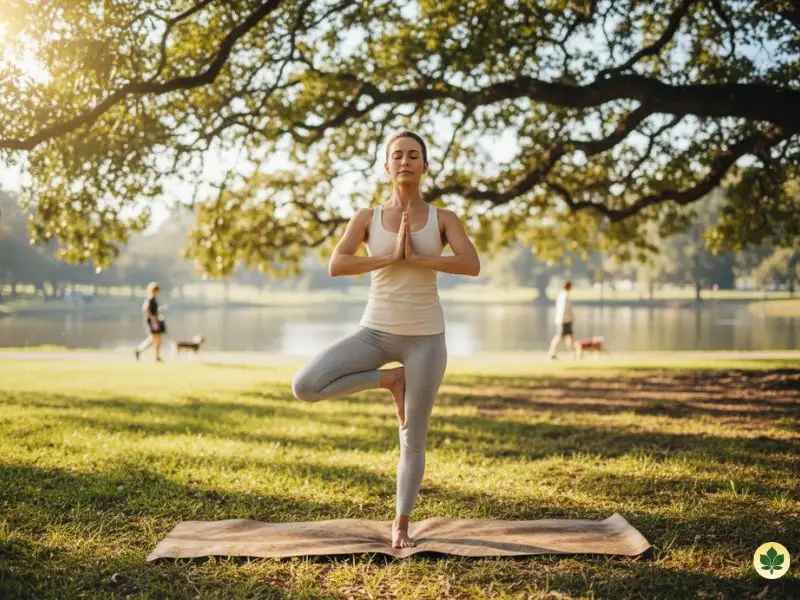
⭐ Effectiveness Rating: 9/10
Exercise isn’t just good for your physical health; it’s also beneficial for your mental health. While the connection isn’t well understood, studies do show that exercise can help to alleviate symptoms of anxiety.
How It Works:
Getting active helps to take your mind off of the issues bothering you. It also triggers your body to release endorphins, which are natural feel-good hormones.
Studies show that physical exercise can help reduce anxiety symptoms, with limited research suggesting that high intensity exercise may be more effective than low intensity regimens.
Recommended Protocol:
- Moderate intensity: 30 minutes, 5 days per week (brisk walking, cycling, swimming)
- High intensity: 20-30 minutes, 3 days per week (HIIT, running, intense cardio)
- Yoga: 60-90 minutes, 2-3 times weekly (combines movement, breathing, mindfulness)
- Strength training: 30-45 minutes, 2-3 times weekly
Best For: All types of anxiety, especially useful for those with physical tension
10. Meditation & Mindfulness: Train Your Anxious Brain
⭐ Effectiveness Rating: 8.5/10
Meditation involves the practice of mindfulness. You focus on removing chaotic thoughts from your mind and replacing them with calm. Research indicates that meditation can help to relieve anxiety symptoms, helping you to feel more at ease.
The Science:
A randomized controlled trial found mindfulness meditation effective for generalized anxiety disorder, with effects on anxiety and stress reactivity.
Regular meditation literally changes your brain’s structure and function, particularly in areas related to emotional regulation.
Recommended Practice:
- Beginners: Start with 5-10 minutes daily guided meditation (apps: Headspace, Calm, Insight Timer)
- Intermediate: 15-20 minutes daily mindfulness or body scan
- Advanced: 30+ minutes daily, varied practices (loving-kindness, vipassana, transcendental)
Types of Meditation:
- Mindfulness meditation (focus on present moment)
- Guided meditation (follow audio instructions)
- Body scan (progressive relaxation)
- Loving-kindness (compassion-focused)
- Mantra meditation (repetitive phrase or sound)
Best For: Chronic worry, rumination, all anxiety types with consistent practice
11. Deep Breathing Exercises: Instant Anxiety Relief
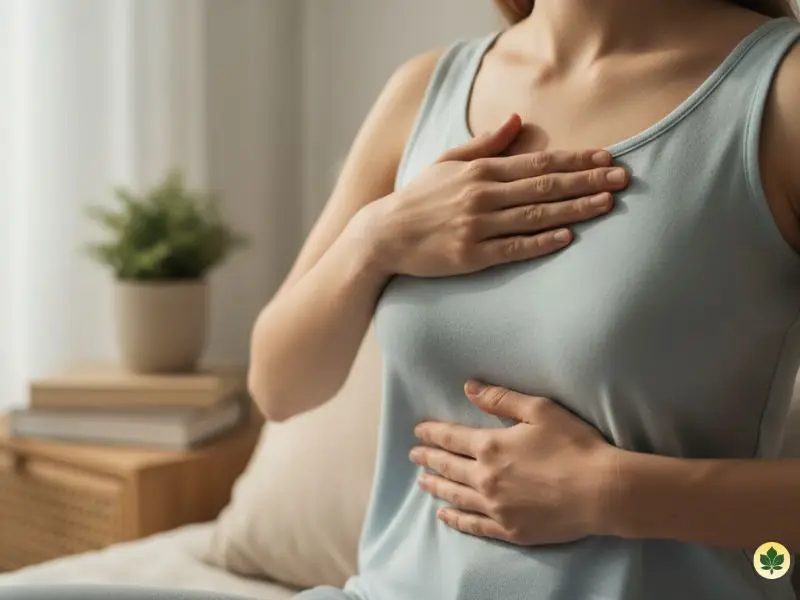
⭐ Effectiveness Rating: 8/10 (for acute anxiety)
Rapid, shallow breathing is a common symptom of anxiety. Breathing in this manner can increase your heart rate, make you feel dizzy, and may even increase the risk of a panic attack. Deep breathing involves taking deliberately deep and measured breaths to restore normal breathing patterns, which can help to reduce anxiety.
How It Works:
Deep breathing activates your parasympathetic nervous system (rest-and-digest mode), directly countering the fight-or-flight response.
Effective Techniques:
4-7-8 Breathing:
- Inhale through nose for 4 counts
- Hold breath for 7 counts
- Exhale through mouth for 8 counts
- Repeat 4 times
Box Breathing:
- Inhale for 4 counts
- Hold for 4 counts
- Exhale for 4 counts
- Hold for 4 counts
- Repeat for 5 minutes
Diaphragmatic Breathing:
- Place hand on belly
- Breathe deep into belly (hand should rise)
- Exhale slowly
- Continue for 5-10 minutes
Best For: Panic attacks, acute anxiety, pre-presentation jitters, bedtime anxiety
Discover reishi benefits for sleep → Read More
12. Nature Exposure: The Forgotten Remedy

⭐ Effectiveness Rating: 7.5/10
Spending time in nature has been clinically proven to reduce anxiety in adults. Some research shows that walking in a green environment can reduce feelings of stress.
How It Works:
Nature exposure reduces cortisol, lowers blood pressure, and shifts brain activity from rumination to present-moment awareness.
Recommended Practice:
- 20-30 minutes daily outside
- Green spaces more effective than urban environments
- Forest bathing (shinrin-yoku): Slow, mindful walks in nature
- Gardening as therapeutic activity
- Blue spaces (water) also beneficial
Best For: Chronic stress, burnout, urban-dwelling anxiety, combination with exercise
Natural Remedies for Specific Types of Anxiety
For Generalized Anxiety Disorder (GAD):
- Ashwagandha (600mg daily, split dose)
- Magnesium Glycinate (400mg evening)
- Meditation (20 minutes daily)
- Exercise (30 minutes, 5x weekly)
For Social Anxiety:
- L-Theanine (200mg before social situations)
- Ashwagandha (300mg twice daily)
- CBD (20-40mg as needed)
- Exposure therapy (gradual social exposure)
For Panic Attacks:
- Deep breathing exercises (4-7-8 technique)
- Grounding techniques (5-4-3-2-1 method)
- Magnesium (ongoing support)
- Professional therapy (CBT strongly recommended)
For Sleep-Related Anxiety:
- Reishi mushroom (1-2g, 2 hours before bed)
- Magnesium Glycinate (400mg evening)
- Passionflower (250-500mg evening)
- Meditation (before bed)
For Morning Anxiety:
- Ashwagandha (300mg with breakfast)
- Exercise (morning workout)
- Sunlight exposure (15 minutes morning sun)
- Breathing exercises (upon waking)
Compare best ashwagandha supplements → Press Here
Combining Natural Remedies: Stacking Strategies
Many people find the best results come from combining multiple approaches. Here are safe, evidence-based stacks:
The Stress-Relief Stack:
- Morning: Ashwagandha (300mg) + Vitamin D (2,000 IU) + Exercise
- Afternoon: L-Theanine (200mg if needed)
- Evening: Magnesium (400mg) + Meditation
- Ongoing: Omega-3s (2g daily)
The Sleep & Anxiety Stack:
- Morning: Ashwagandha (300mg) + B-Complex
- Evening: Reishi (1.5g) + Magnesium (400mg) + Passionflower tea
- Before bed: Deep breathing + Body scan meditation
The Social Anxiety Stack:
- Daily: Ashwagandha (300mg 2x) + Omega-3s
- Before events: L-Theanine (200-400mg) + Deep breathing
- Ongoing: Regular exercise + Gradual exposure
Read our complete guide to adaptogens → Read More
Important Safety Notes:
- Start one supplement at a time (wait 2 weeks before adding another)
- Monitor for interactions
- Don’t combine multiple GABA-enhancing supplements without medical supervision
- Consult doctor if on medications
Lifestyle Habits That Enhance Natural Remedies
Supplements work better when combined with healthy lifestyle habits:
Sleep Hygiene:
- Consistent sleep schedule (bed/wake same time daily)
- Cool, dark bedroom (65-68°F ideal)
- No screens 1 hour before bed
- Avoid caffeine after 2 PM
- Wind-down routine (reading, stretching, meditation)
Diet for Anxiety:
Foods to Emphasize:
- Fatty fish (salmon, mackerel)
- Fermented foods (yogurt, kimchi, sauerkraut)
- Leafy greens (spinach, kale)
- Complex carbs (oats, quinoa, sweet potatoes)
- Nuts and seeds (especially pumpkin seeds for magnesium)
- Dark chocolate (70%+ cacao)
Foods to Limit:
- Caffeine (especially if anxiety-prone)
- Alcohol (worsens anxiety long-term)
- Refined sugars
- Processed foods
- Excessive simple carbohydrates
Stress Management:
- Journaling helps people cope better with anxiety—a 2018 study found that emotion-based journaling may reduce mental distress and improve overall well-being
- Time in nature daily
- Social connection (quality time with supportive people)
- Creative outlets (art, music, writing)
- Limit news/social media consumption
When Natural Remedies Aren’t Enough: Seeking Professional Help
Natural remedies work wonderfully for many people, but they’re not always sufficient. You should seek professional help if:
Immediate Red Flags:
- Suicidal thoughts or self-harm urges
- Panic attacks increasing in frequency/severity
- Anxiety preventing you from functioning (work, relationships, daily tasks)
- Physical symptoms that could be medical (chest pain, severe palpitations)
- Substance use to cope with anxiety
Signs You Need More Support:
- Natural remedies haven’t helped after 2-3 months of consistent use
- Anxiety worsening despite lifestyle changes
- Depression accompanying anxiety
- Trauma-related anxiety (PTSD symptoms)
- Quality of life significantly impacted
Professional Treatment Options:
- Therapy: CBT (Cognitive Behavioral Therapy) is gold standard for anxiety
- Medications: SSRIs, SNRIs, or short-term benzodiazepines when appropriate
- Combination: Natural remedies + therapy + medication often most effective
- Specialized treatment: EMDR for trauma, ERP for OCD, etc.
Remember: Seeking professional help isn’t a failure—it’s taking your mental health seriously. Natural remedies can complement professional treatment beautifully.
Common Mistakes When Using Natural Remedies
Mistake #1: Expecting Immediate Results
Natural remedies typically take 2-8 weeks to show full effects. Don’t give up after a few days.
Solution: Commit to at least 4-8 weeks of consistent use before judging effectiveness.
Mistake #2: Inconsistent Dosing
Taking supplements sporadically won’t produce results.
Solution: Set reminders, use pill organizers, build routines around supplement timing.
Mistake #3: Poor Quality Products
Not all supplements are created equal. Many are underdosed or contaminated.
Solution: Choose third-party tested brands (USP, NSF, ConsumerLab verified), research extraction methods, check for standardization.
Mistake #4: Ignoring Lifestyle Factors
Supplements can’t overcome chronic sleep deprivation, poor diet, or no exercise.
Solution: Address foundational lifestyle factors first or simultaneously with supplements.
Mistake #5: Taking Too Many Supplements at Once
Starting 5 supplements simultaneously makes it impossible to know what’s working.
Solution: Add one new supplement every 2 weeks, track effects in a journal.
Mistake #6: Not Addressing Root Causes
Anxiety often has underlying causes (trauma, toxic relationships, unfulfilling work, unprocessed emotions).
Solution: Use remedies while also doing deeper work (therapy, life changes, emotional processing).
Tracking Your Progress
Keep a simple anxiety journal to monitor what’s working:
Daily Tracking:
- Anxiety level (1-10 scale)
- Sleep quality (hours + restfulness 1-10)
- Energy levels
- Supplements taken (dose + timing)
- Exercise completed
- Notable triggers or stressors
- Mood patterns
Weekly Review:
- Compare anxiety levels week-over-week
- Notice patterns (time of day, situations, triggers)
- Adjust supplement doses if needed
- Celebrate improvements
- Identify what’s not working
Monthly Assessment:
- Overall progress toward goals
- Which remedies are most effective
- What needs adjustment
- Consider adding/removing interventions
The Bottom Line: What Actually Works
After reviewing all the research and real-world experiences, here’s my honest take on natural anxiety remedies:
Highest Effectiveness (Use These First):
- Ashwagandha (600mg daily) – Most consistent results
- Exercise (30+ min, 5x weekly) – Free and highly effective
- Meditation (15-20 min daily) – Builds long-term resilience
- Deep breathing (as needed) – Immediate relief for acute anxiety
Strong Supporting Cast: 5. Magnesium Glycinate (400mg evening) – Especially if deficient 6. L-Theanine (200-400mg) – Great for daytime anxiety 7. Nature exposure (20-30 min daily) – Underrated and free 8. Sleep optimization – Foundation for mental health
Worth Trying: 9. Vitamin D (if deficient) 10. Omega-3s (ongoing brain support) 11. Passionflower (sleep + anxiety) 12. CBD (if legal and quality source available)
Remember:
- Consistency matters more than perfect supplementation
- Combine multiple approaches for best results
- Give remedies adequate time (8-12 weeks)
- Address lifestyle factors simultaneously
- Seek professional help if needed
Natural remedies aren’t magic bullets, but they’re powerful tools that can significantly improve anxiety when used correctly. Start with the fundamentals (exercise, meditation, ashwagandha), be patient, stay consistent, and adjust based on your personal response.
You’ve got this. Managing anxiety naturally is possible—it just takes the right combination of strategies and commitment to the process.
Frequently Asked Questions
How long do natural remedies take to work for anxiety?
Most natural remedies require 2-8 weeks of consistent use to show full effects. Some provide immediate relief (deep breathing, L-theanine), while others build benefits over time (ashwagandha, meditation). Expect noticeable improvements within 2-4 weeks for most supplements, with maximum benefits at 8-12 weeks.
Can I take multiple natural remedies together?
Yes, but start one at a time. Wait 2 weeks before adding another so you can identify what’s working. Common safe combinations include ashwagandha + magnesium, L-theanine + CBD, or omega-3s + vitamin D. Avoid combining multiple GABA-enhancing supplements without medical supervision.
Are natural remedies as effective as prescription anxiety medication?
For mild to moderate anxiety, some natural remedies (particularly ashwagandha) show comparable effectiveness to pharmaceutical options in studies. However, severe anxiety disorders often require prescription medication and therapy. Natural remedies work best for mild-moderate anxiety or as complementary treatments alongside conventional care.
Which natural remedy works fastest for panic attacks?
Deep breathing exercises provide the fastest relief for panic attacks—working within 3-5 minutes. The 4-7-8 breathing technique or box breathing can activate your parasympathetic nervous system and stop panic escalation. For ongoing panic prevention, combine breathing with ashwagandha and professional therapy.
Can I use natural remedies if I’m already on anxiety medication?
Possibly, but always consult your doctor first. Some natural remedies can interact with medications (St. John’s Wort with SSRIs, for example). Many people successfully combine natural remedies with prescription medications, but medical supervision is essential for safety.
What’s the best natural remedy for anxiety and depression together?
Ashwagandha, omega-3 fatty acids, exercise, and meditation all show benefits for both anxiety and depression. However, if you’re experiencing both conditions, professional evaluation is important—comorbid anxiety and depression often benefit most from a combination of therapy, potential medication, and natural remedies.
Are there any side effects from natural anxiety remedies?
Yes, though typically milder than pharmaceutical options. Ashwagandha can cause digestive upset or thyroid stimulation in some people. Magnesium can cause diarrhea at high doses. CBD quality varies dramatically and may cause drowsiness. Always start with lower doses and monitor your response.
How much does it cost to treat anxiety naturally?
Basic approach costs $30-80/month (ashwagandha, magnesium, quality fish oil). Exercise, meditation, breathing, and nature are free. Compare this to prescription medications ($20-200/month depending on insurance) plus potential side effect management. Natural approaches often prove more cost-effective long-term.
Can children and teenagers use these natural remedies?
Some are safe for children/teens (omega-3s, magnesium, meditation, exercise), while others require medical supervision (ashwagandha, CBD). Always consult a pediatrician before giving supplements to minors. Behavioral approaches (therapy, meditation, exercise) are often first-line for young people.
What if natural remedies don’t work for me?
If you’ve tried multiple evidence-based natural remedies consistently for 8-12 weeks without improvement, it’s time to seek professional help. This doesn’t mean natural approaches don’t work—it means your anxiety may require additional support like therapy or medication. Many people need a combination approach for optimal results.
Ready to start managing your anxiety naturally? Choose 1-2 remedies from this guide, commit to 8 weeks of consistent use, and track your progress. Remember—managing anxiety is a journey, not a destination.
Have you tried any of these natural remedies? What worked for you? Share your experience in the comments below!
Medical Disclaimer: This article is for informational purposes only and is not medical advice. Natural remedies can interact with medications and may not be appropriate for everyone. Always consult with a qualified healthcare provider before starting any new supplement or treatment, especially if you have medical conditions, take medications, or experience severe anxiety symptoms.
Related Articles:
- Ashwagandha Dosage for Anxiety (link to existing)
- Reishi Mushroom Benefits for Stress and Sleep (link to existing)
- Best Ashwagandha Supplements (link to existing)
- Complete Guide to Adaptogens (link to existing)
- Lions Mane Benefits for Brain Health (link to existing)
- Natural Sleep Aids Guide (future article)
- Best Supplements for Anxiety (future article)
Sources:
- WebMD – 8 Natural Remedies for Anxiety (2025)
- Medical News Today – 10 Natural Remedies for Reducing Anxiety and Stress (July 2025)
- Advanced Gut & Microbiome Research – Medicinal Plants for Managing Anxiety (June 2025)
- PMC – Nutritional and Herbal Supplements for Anxiety Systematic Review
- GoodRx – 14 OTC Natural Remedies for Anxiety (March 2025)
- Rolling Out – 9 Natural Remedies Proven to Reduce Anxiety (September 2025)
- EBSCO Research – Natural Treatments for Anxiety and Panic Attacks
- Salience Health – Natural Remedies for Anxiety: 10 Ideas
- SingleCare – 10 Natural Remedies for Anxiety (September 2025)
- Apollo Hospitals – 7 Natural Remedies for Anxiety and Stress
- HerbzWay – Ashwagandha Dosage for Anxiety Reddit Guide (November 2025)
- Multiple clinical studies and user review databases

