

So you’re scrolling through Reddit at midnight, reading about ashwagandha for anxiety, and suddenly you see someone mention “weird side effects.” Now you’re down a rabbit hole, clicking through thread after thread, wondering: is this stuff actually safe?
I get it. You want the anxiety relief without the unwanted surprises. You’re looking for real talk—not just the marketing hype from supplement companies or the overly clinical jargon from medical sites.
Here’s the deal: ashwagandha is generally well-tolerated by most people. Clinical studies show the majority of users experience no significant side effects. But—and this is important—side effects can and do happen, especially if you’re taking it wrong or if it’s not the right fit for your body.
In this article, we’re diving deep into what the research says and what actual Reddit users report about ashwagandha side effects. You’ll learn what to watch out for, who shouldn’t take it, and how to minimize your risk if you decide to try it.
Let’s break down exactly what you need to know.
🛒 Affiliate Disclosure: This article contains affiliate links. When you purchase through our links, we may earn a commission at no extra cost to you. This helps us create free, research-based content. Full transparency policy
⚠️ Medical Disclaimer: This information is for educational purposes only and not medical advice. Always consult your healthcare provider before starting any supplement. Read full disclaimer
The Most Common Side Effects (From Reddit & Research)
When you look at both clinical trials and thousands of Reddit user experiences, a clear pattern emerges. Here are the side effects people actually report—in order of how common they are.
Digestive Issues (The Most Common Complaint)
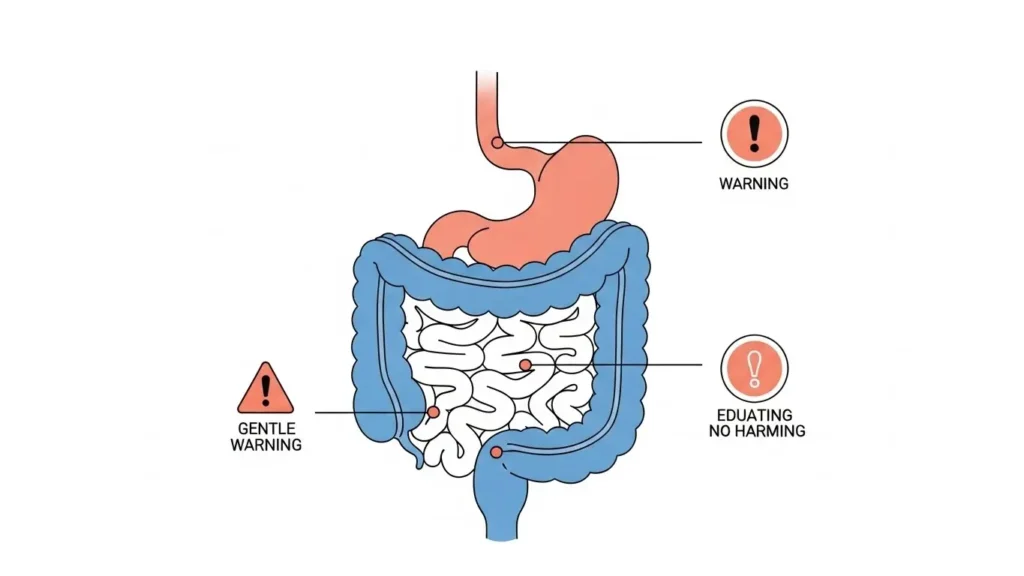
If you’re going to experience side effects from ashwagandha, stomach problems are the most likely culprit. Studies show about 5-10% of users report gastrointestinal issues, and Reddit threads are full of similar experiences.
What people report:
- Upset stomach or general discomfort
- Mild nausea, especially in the first week
- Loose stools or occasional diarrhea
- Stomach cramping
One Reddit user in r/Nootropics put it bluntly: “First three days felt like my stomach was doing backflips. Took it with breakfast instead of on an empty stomach and problem solved.”
Why this happens: Ashwagandha is a potent herb with active compounds called withanolides. When you take it on an empty stomach or start with too high a dose, it can irritate your digestive tract.
The fix:
- Always take ashwagandha with food (preferably a meal with some fat)
- Start with a low dose—300mg daily, not the full 600mg
- Give your body a week to adjust before increasing
- If problems persist beyond two weeks, it might not be for you
Most people who experience stomach issues find they resolve within the first week once they adjust timing or dosage.
Drowsiness and Daytime Fatigue
Here’s something that catches people off guard: ashwagandha is an adaptogen that calms your stress response. For some people, especially when taking it in the morning, this translates to feeling sluggish or drowsy.
Reddit reports: “Took 600mg in the morning thinking it would give me energy. Instead, I felt like I’d been drugged. Could barely keep my eyes open at work.”
“It’s amazing for sleep but absolutely killed my daytime productivity. Switched to taking it at night only—game changer.”
The science: Ashwagandha enhances the activity of GABA receptors in your brain, promoting relaxation. This is great for anxiety and sleep, but not ideal if you’re trying to power through a workday.
Your solution:
- Take ashwagandha exclusively at night (2-3 hours before bed)
- If you must take it during the day, start with a very low dose (150-300mg)
- Don’t drive or operate heavy machinery until you know how it affects you
- Consider pairing it with a more energizing adaptogen like rhodiola if you need daytime stress support
Interestingly, some people report the opposite effect—ashwagandha gives them energy. Bodies are weird like that. The only way to know is to test it carefully.
Thyroid Function Changes
This one’s important if you have any thyroid issues or take thyroid medication. Ashwagandha can increase thyroid hormone production (T3 and T4) in some people.
For most people: This is fine, even beneficial if you have subclinical hypothyroidism.
But if you have hyperthyroidism (overactive thyroid) or take thyroid medication, ashwagandha could push your levels too high.
What Reddit users with thyroid conditions report: “My endo said my T3 jumped significantly after adding ashwagandha. Had to adjust my levothyroxine dose.”
“I have Hashimoto’s and was told to avoid it because it could overstimulate my immune system.”
The research backs this up: A 2018 study in the Journal of Alternative and Complementary Medicine found ashwagandha supplementation increased T3 and T4 levels in subclinical hypothyroid patients.
Action steps:
- If you’re on thyroid medication, talk to your doctor before starting ashwagandha
- Get your thyroid levels checked 4-6 weeks after starting supplementation
- Monitor for symptoms of hyperthyroidism: rapid heartbeat, anxiety, weight loss, heat sensitivity
- If you have hyperthyroidism, avoid ashwagandha entirely
Hormonal Effects
Ashwagandha affects your endocrine system—that’s part of how it works. For most people, these changes are subtle and even beneficial. But they’re worth knowing about.
Testosterone: Clinical studies show ashwagandha can increase testosterone levels in men, particularly those with stress-related low T. Most guys see this as a bonus.
For women: Some Reddit users report changes in their menstrual cycle—earlier periods, heavier flow, or changes in PMS symptoms. These effects are usually mild and temporary.
What the research shows: A 2019 study found ashwagandha increased testosterone by about 15% in men over eight weeks. Effects in women are less studied but appear related to its impact on cortisol and stress hormones.
When to pay attention:
- If you’re trying to conceive (consult your doctor first)
- If you have PCOS or other hormonal conditions
- If you notice significant menstrual changes
- If you’re on hormonal birth control (interactions are possible)
Most people don’t experience problematic hormonal side effects, but it’s smart to be aware.
Autoimmune Reactions (For Those With Autoimmune Conditions)
Here’s where things get serious. Ashwagandha is an immune system modulator—it can stimulate immune function. That’s generally good, but if you have an autoimmune disease, you don’t want your immune system more active.
Conditions to be cautious with:
- Rheumatoid arthritis
- Lupus
- Multiple sclerosis
- Hashimoto’s thyroiditis
- Inflammatory bowel disease (Crohn’s, ulcerative colitis)
Reddit experiences: “I have lupus and tried ashwagandha for stress. Within a week, I had a flare-up. My rheumatologist said it probably stimulated my immune system too much.”
The mechanism: Ashwagandha can increase the activity of your immune system, which might worsen autoimmune symptoms where your immune system is already overactive.
Medical advice: If you have any autoimmune condition, talk to your doctor before trying ashwagandha. There may be safer adaptogen alternatives like holy basil or reishi mushroom.
Rare But Serious Side Effects
Most side effects are mild and manageable. But there are a few rare reactions that require immediate attention.
Liver Toxicity (Very Rare)
Let’s address the elephant in the room: yes, there have been case reports of liver damage associated with ashwagandha use. But let’s put this in perspective.
The reality:
- Liver toxicity is extremely rare
- Most cases involved very high doses or contaminated products
- No widespread liver problems in clinical trials with quality supplements
Case reports: A 2020 review identified about a dozen cases of ashwagandha-related liver injury worldwide. Most resolved after discontinuation.
How to minimize risk:
- Choose reputable brands with third-party testing (look for USP, NSF, or ConsumerLab certification)
- Don’t exceed recommended doses (typically 300-600mg daily)
- Avoid taking it with other potentially liver-stressing supplements or medications
- If you have existing liver disease, avoid ashwagandha
Warning signs of liver problems (stop immediately and see a doctor):
- Yellowing of skin or eyes (jaundice)
- Dark urine
- Severe abdominal pain (right upper side)
- Unexplained nausea or fatigue
- Loss of appetite
If you’re taking ashwagandha long-term, consider getting liver function tests as part of your regular check-ups.
Allergic Reactions
Ashwagandha is part of the nightshade family (same as tomatoes, peppers, and potatoes). If you’re allergic to nightshades, you’re more likely to react to ashwagandha.
Symptoms of an allergic reaction:
- Skin rash or hives
- Itching
- Swelling of face, lips, or tongue
- Difficulty breathing (rare but serious)
What to do: Stop taking it immediately and consult a healthcare provider. Severe reactions are rare, but they require medical attention.
What Reddit Users Actually Experience: The Good, The Bad, and The “It Depends”
Let’s get real about what thousands of Reddit users report. I’ve spent hours reading through r/Nootropics, r/Supplements, and r/Anxiety to get a sense of actual experiences.
The Good: Most People Have No Issues
The majority of Reddit discussions about ashwagandha are positive, with minimal to no side effects reported.
Typical positive reports: “Been taking 600mg KSM-66 for six months. Zero side effects, massive reduction in anxiety. Game changer for me.”
“Mild upset stomach the first few days, but after that, smooth sailing. Sleep is better, stress is manageable.”
“I was worried about all the side effect talk, but honestly, I’ve had none. Just less anxiety and better recovery from workouts.”
The consensus: Most people tolerate ashwagandha well, especially when they start with a reasonable dose and take it with food.
The Bad: When Things Go Wrong
But Reddit is also where people come to troubleshoot problems. Common complaints:
“Made me way too tired. Even taking it at night, I was groggy the next morning. Had to stop.”
“Stomach issues for two weeks straight. Tried different brands, different doses—nothing helped. It’s just not for me.”
“Felt emotionally flat. Like my anxiety was gone, but so was my motivation and joy. Stopped and felt normal again.”
The pattern: When people have bad experiences, it’s usually one of three things:
- Wrong timing (taking it during the day when they’re sensitive to sedation)
- Too high a starting dose
- It’s simply not compatible with their body chemistry
The “It Depends”: Individual Responses Vary Wildly
Perhaps the most interesting Reddit finding: ashwagandha is highly individual.
“Works amazing at night. Tried it in the morning once—disaster.”
“600mg did nothing. 1200mg and I felt great. Everyone’s different.”
“Great for stress management but definitely affected my thyroid labs. Still worth it for me, but I had to adjust my medication.”
The takeaway: There’s no universal ashwagandha experience. What works for your Reddit friend might not work for you. Experimentation (carefully) is key.
Who Shouldn’t Take Ashwagandha
Before you click “add to cart,” make sure you’re not in one of these categories. For some people, ashwagandha is genuinely not a good idea.
❌ Pregnant or Breastfeeding Women
Why: Ashwagandha has traditionally been used in Ayurvedic medicine to induce miscarriage. There’s simply not enough safety data for pregnant or nursing women.
Reddit mom experiences: Most pregnancy forums strongly advise against it. Better to wait until after pregnancy and breastfeeding.
Alternatives: Safe options like magnesium, chamomile tea, or prenatal-approved omega-3s might help with stress during pregnancy. Always check with your OB-GYN.
❌ People With Hyperthyroidism
Why: As mentioned earlier, ashwagandha can increase thyroid hormone production. If your thyroid is already overactive, this could worsen symptoms.
Symptoms of hyperthyroidism:
- Rapid heartbeat
- Unintentional weight loss
- Nervousness or irritability
- Heat sensitivity
- Tremors
What to do: Get your thyroid checked before starting ashwagandha. If you have hyperthyroidism or Graves’ disease, skip it.
❌ People With Autoimmune Diseases
Conditions to be cautious with:
- Lupus
- Rheumatoid arthritis
- Multiple sclerosis
- Hashimoto’s thyroiditis
- Inflammatory bowel disease
Why: Ashwagandha stimulates the immune system, which could trigger flare-ups in autoimmune conditions.
Better alternatives: Holy basil (tulsi), reishi mushroom, or L-theanine might offer stress relief without immune stimulation. Discuss with your rheumatologist or immunologist.
❌ People Scheduled for Surgery
Why: Ashwagandha can slow down the central nervous system and may interact with anesthesia or other medications used during and after surgery.
The rule: Stop taking ashwagandha at least two weeks before any scheduled surgery. Inform your surgeon about all supplements you’ve been taking.
❌ People on Immunosuppressant Drugs
Why: If you’re taking medications to suppress your immune system (after organ transplant, for certain autoimmune conditions), ashwagandha works against those medications.
Examples of immunosuppressants:
- Prednisone
- Azathioprine (Imuran)
- Cyclosporine
- Tacrolimus
What to do: Avoid ashwagandha entirely if you’re on these medications. Talk to your prescribing doctor about alternative stress management strategies.
Medication Interactions: What You Need to Know
Ashwagandha can interact with certain medications. Here’s a quick reference guide:
| Medication Type | Interaction Risk | What Happens | What to Do |
|---|---|---|---|
| Thyroid medications (Levothyroxine, Synthroid) | High | May increase thyroid hormone levels too much | Monitor labs closely; may need dose adjustment |
| Sedatives/Sleep aids (Ambien, Lunesta, benzodiazepines) | Medium-High | Additive sedation effect | Avoid combination or use very low doses under supervision |
| Blood pressure medications | Medium | May lower blood pressure too much | Monitor BP; inform your doctor |
| Diabetes medications (Insulin, Metformin) | Medium | May lower blood sugar | Monitor glucose levels more frequently |
| Immunosuppressants (Prednisone, cyclosporine) | High | Contradictory effects | Avoid ashwagandha |
Reddit discussion highlight: Many users on antidepressants (SSRIs, SNRIs) report taking ashwagandha without issues, but individual responses vary. Always inform your psychiatrist.
General rule: If you’re on any medication, mention ashwagandha to your healthcare provider. It’s better to ask and be safe than sorry.
How to Minimize Side Effects: Practical Tips
Want to try ashwagandha but worried about side effects? Here’s how to stack the odds in your favor.
1. Start Low, Go Slow
Don’t jump straight to the full clinical dose.
Smart approach:
- Week 1: 300mg daily (with dinner)
- Week 2: 300mg daily (assess how you feel)
- Week 3: If no issues, increase to 450-600mg daily
- Week 4+: Find your sweet spot (usually 300-600mg)
Reddit wisdom: “I see so many people starting with 1200mg because that’s what the bottle says. No wonder they get side effects. Build up gradually.”
2. Always Take With Food
This is the number one tip to avoid stomach problems.
Best practices:
- Take with your largest meal of the day
- Meals with healthy fats (avocado, nuts, olive oil) improve absorption
- Avoid taking on an empty stomach, especially in the beginning
Why it matters: Food buffers the herb’s effects on your stomach lining and helps with bioavailability.
3. Choose Quality Brands

Not all ashwagandha is created equal. Quality matters—a lot.
Look for:
- Standardized extracts: KSM-66 or Sensoril (these are well-researched forms)
- Third-party testing: USP, NSF International, or ConsumerLab certification
- Organic certification: Reduces pesticide exposure
- Reputable brands: Companies with good manufacturing practices (GMP)
Avoid:
- Unknown brands on Amazon with sketchy reviews
- Products with proprietary blends (you don’t know how much you’re getting)
- Anything without clear ingredient labeling
Want our tested recommendations? Check out our Best Ashwagandha Supplements review where we analyze quality, testing, and value.
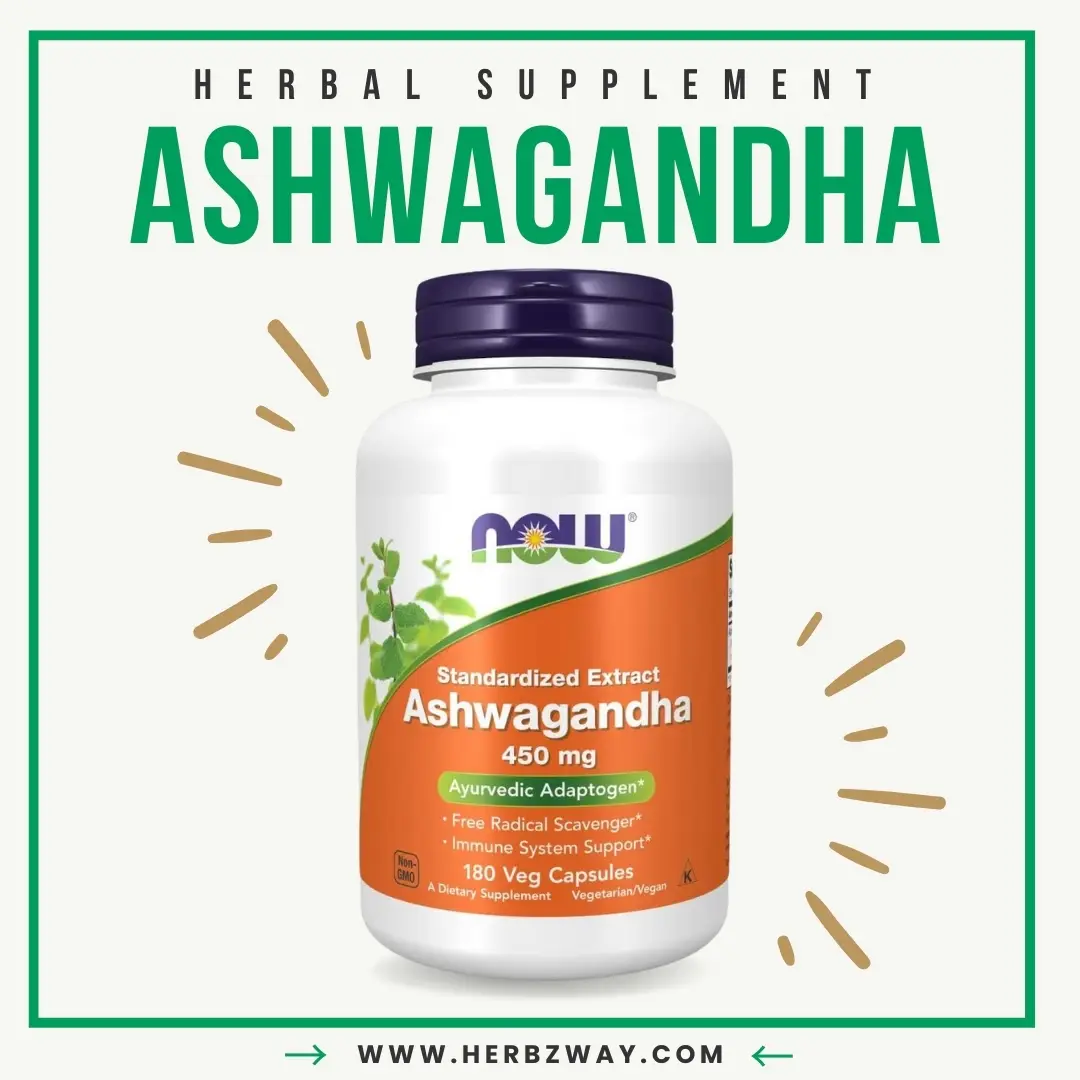
Now Supplements, KSM-66 Ashwagandha®, Stress and Sleep Support, 180 Veg Capsules
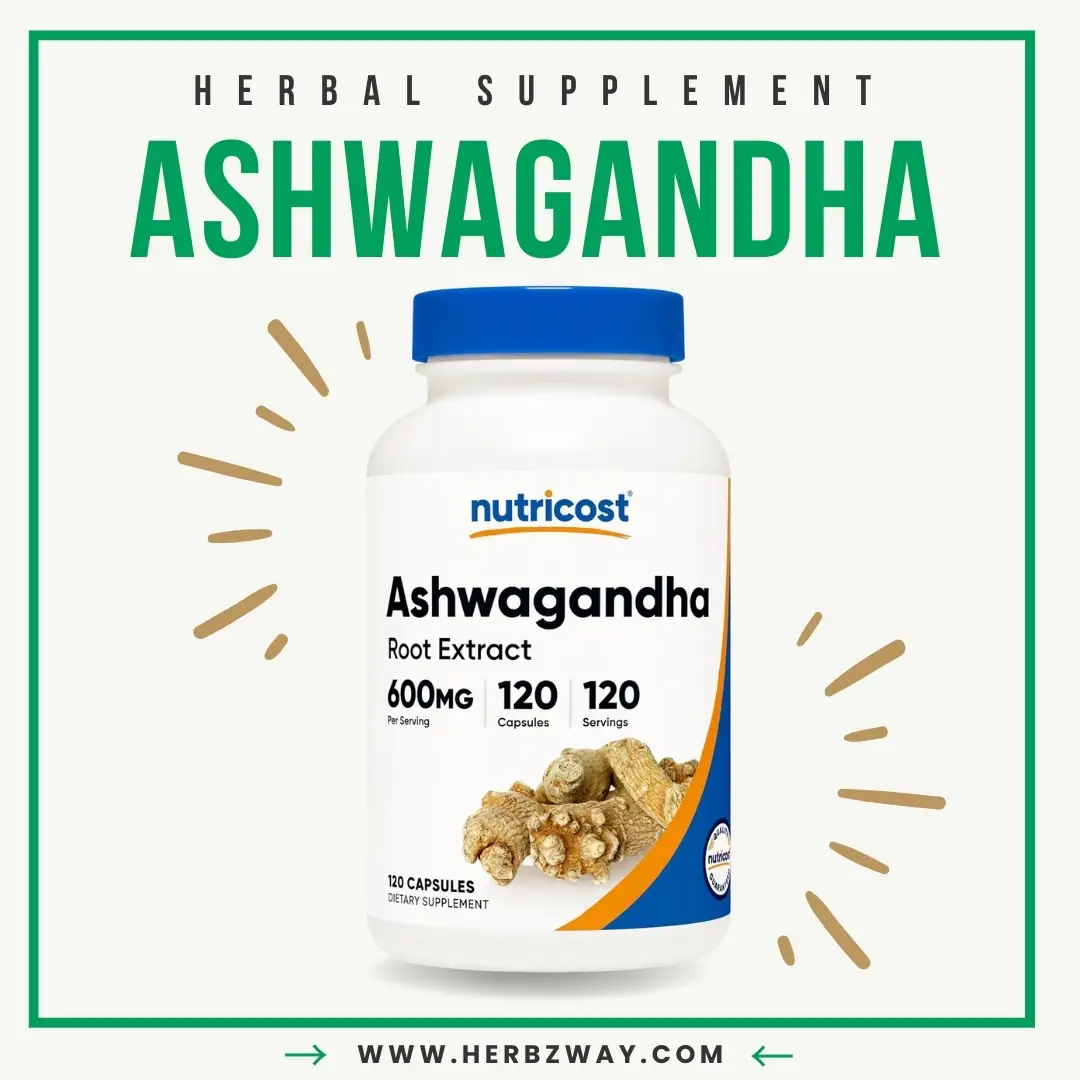
Nutricost Ashwagandha Herbal Supplement 600mg, 120 Capsules – Vegetarian, Non-GMO, Gluten Free, Ashwagandha Root
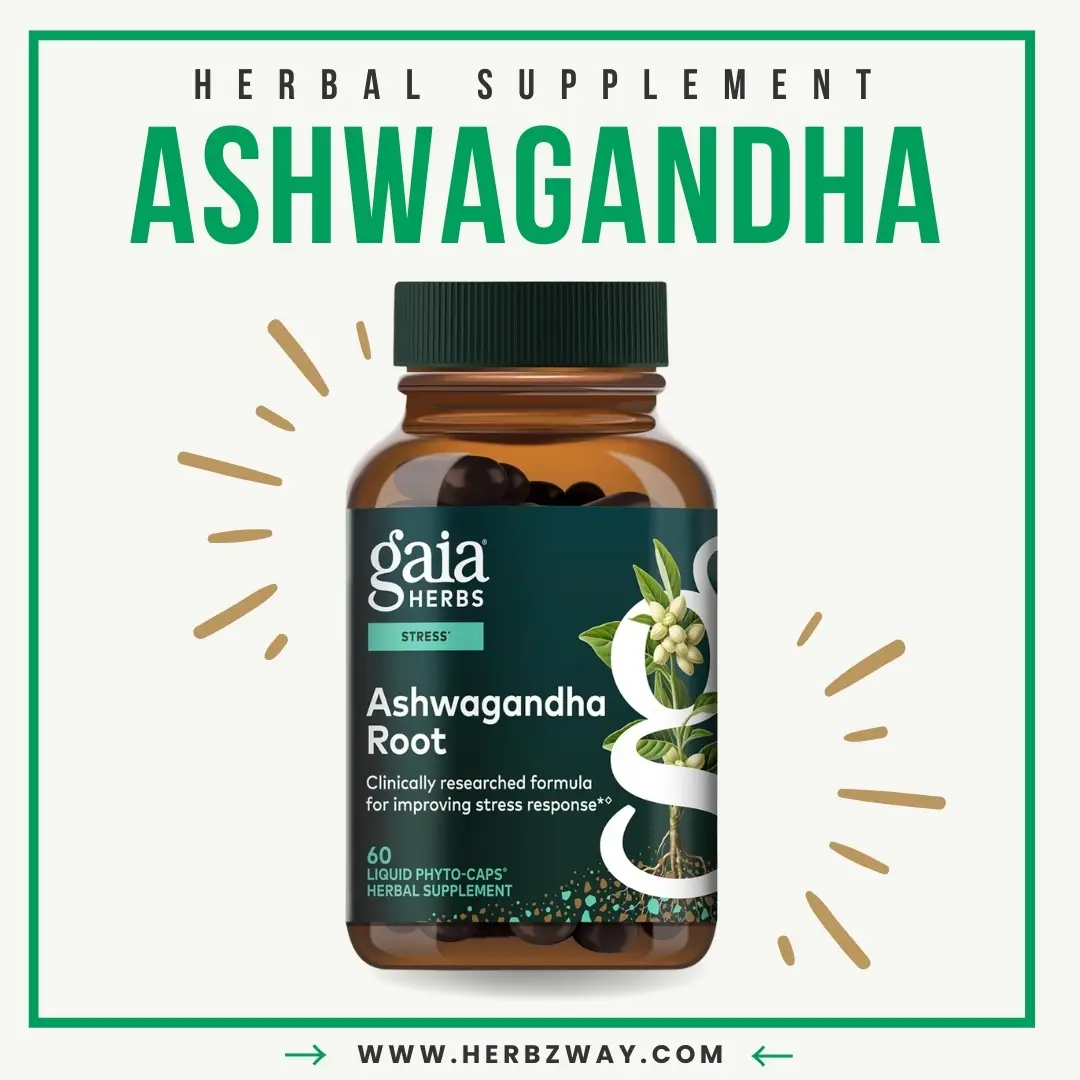
Gaia Herbs Ashwagandha Root – Stress Relief & Sleep Support Supplement – Supports Balanced Energy Levels & Positive Outlook* – 180 Vegan Liquid Phyto Capsules (90-Day Supply)
4. Time It Right
When you take ashwagandha matters almost as much as how much you take.
For most people:
- Evening/Night: 2-3 hours before bed is ideal
- Promotes better sleep
- Avoids daytime drowsiness
- Maximizes stress-relief benefits
If you’re one of the rare people who finds it energizing:
- Morning with breakfast might work better
- But start on a weekend to see how it affects you
Experiment carefully: Everyone’s different. What matters is finding your personal optimal timing.
5. Cycle It (Take Breaks)
Many Reddit users and some practitioners recommend cycling ashwagandha.
Popular approach:
- 8-12 weeks on: Take ashwagandha daily
- 2-4 weeks off: Give your body a break
- Repeat: Resume if needed
Why cycling might help:
- Prevents tolerance buildup
- Gives your hormonal system a reset
- May reduce risk of long-term side effects
- Your body doesn’t become dependent
Reddit perspective: “I cycle all my adaptogens. Two months on, two weeks off. Seems to keep them working effectively.”
6. Monitor Your Body
Pay attention to how you feel, especially in the first month.
Keep track of:
- Energy levels throughout the day
- Sleep quality
- Mood and anxiety levels
- Digestive comfort
- Any unusual symptoms
Consider getting lab work if:
- You’re on thyroid medication (check TSH, T3, T4 after 4-6 weeks)
- You have concerns about liver health (liver function tests)
- You’re monitoring testosterone or other hormones
Trust your gut: If something feels off, even if you can’t pinpoint it, it’s worth reassessing. Not every supplement is right for every person.
When to Stop Taking Ashwagandha

Sometimes the best decision is to discontinue. Here’s when to call it quits.
🚨 Stop Immediately If You Experience:
Severe symptoms:
- Yellowing of skin or eyes (possible liver issue)
- Severe abdominal pain
- Signs of allergic reaction (swelling, difficulty breathing)
- Chest pain or rapid heart rate
- Significant mental health changes (worsening depression, unusual thoughts)
Don’t wait—seek medical attention.
⚠️ Consider Stopping If You Have:
Persistent mild to moderate issues:
- Digestive problems lasting more than two weeks (despite adjusting dose/timing)
- Ongoing fatigue or drowsiness that interferes with daily life
- Worsening anxiety or mood (paradoxical reaction)
- Noticeable unwanted hormonal changes
- Symptoms of thyroid dysfunction
The process:
- Stop taking ashwagandha
- Wait 5-7 days to see if symptoms resolve
- Consult your healthcare provider
- Consider trying a different adaptogen if you still need stress support
It’s Not Failure
Reddit wisdom: “Not every supplement works for everyone. I tried ashwagandha three times over two years. Each time, side effects. Switched to rhodiola—perfect for me. Your mileage will vary.”
Remember: If ashwagandha doesn’t work for you, there are plenty of other evidence-based options for stress and anxiety management. Check out our guide on Best Adaptogens for Anxiety for alternatives.
The Verdict: Are Ashwagandha Side Effects Common?
Let’s bring this all together with a reality check.
What the Numbers Say
Clinical research:
- 85-95% of participants in studies report no significant side effects
- 5-15% report mild, usually temporary side effects
- Less than 1% experience serious reactions
Reddit consensus (based on thousands of posts):
- Most users report positive experiences with minimal issues
- Common minor complaints: initial stomach upset, timing-related drowsiness
- Serious side effects are rarely discussed outside of specific health condition contexts
The Pattern That Emerges
When people have problems with ashwagandha, it usually comes down to:
- Dosage: Starting too high
- Timing: Taking it at the wrong time of day for their body
- Quality: Using contaminated or weak products
- Individual factors: Pre-existing conditions that make it unsuitable
- Interactions: Not considering medication interactions
Most side effects are preventable with the right approach.
Is Ashwagandha Safe?
For most healthy adults who don’t have contraindications: Yes, ashwagandha is generally safe when used appropriately.
The key word is “appropriately”:
- Proper dosing
- Quality products
- Awareness of contraindications
- Monitoring your response
- Being honest with healthcare providers
Reddit’s bottom line: “It’s not a dangerous drug. It’s a well-studied herb with a good safety profile. But like anything that actually works, it can have side effects. Be smart about it.”
Frequently Asked Questions
Can ashwagandha damage your liver?
Liver damage from ashwagandha is very rare and usually associated with extremely high doses or contaminated products. In clinical trials using quality supplements at standard doses (300-600mg daily), liver toxicity has not been a significant concern. Choose reputable brands with third-party testing to minimize this already-low risk.
Should I take ashwagandha on an empty stomach?
No. Most people should take ashwagandha with food to minimize digestive side effects. Taking it with a meal that includes some fat can also improve absorption. The only exception might be if your healthcare provider specifically recommends otherwise for a particular reason.
Can ashwagandha make anxiety worse?
While rare, some people report a paradoxical increase in anxiety when taking ashwagandha. This might happen if you’re taking too high a dose, if you’re sensitive to its effects, or if it’s causing other side effects that increase stress (like stomach problems). If ashwagandha worsens your anxiety, stop taking it and consider alternatives like L-theanine or holy basil.
How long do side effects last after stopping ashwagandha?
Most side effects resolve within a few days to one week after discontinuing ashwagandha. The herb doesn’t stay in your system long. If you’re experiencing effects on thyroid function or hormones, it might take 2-4 weeks for your levels to return to baseline. If symptoms persist beyond two weeks after stopping, consult your healthcare provider.
Is it safe to take ashwagandha long-term?
Studies have shown ashwagandha is safe for up to 3 months of continuous use. Longer-term safety (6+ months) hasn’t been as extensively studied, though traditional use suggests it’s generally safe. Many practitioners and Reddit users recommend cycling it—taking it for 8-12 weeks, then taking a 2-4 week break. This approach may help prevent tolerance and reduce any potential long-term effects.
Can I take ashwagandha with my antidepressants?
Ashwagandha is generally considered safe to take with most antidepressants (SSRIs, SNRIs), and many Reddit users report doing so successfully. However, everyone responds differently. Start with a low dose and monitor how you feel. Some people report ashwagandha enhances the effectiveness of their antidepressant, while others notice no interaction. Always inform your prescribing doctor before adding any supplement to your regimen.
What should I do if I took too much ashwagandha?
If you’ve taken more than the recommended dose, monitor yourself for increased side effects like drowsiness, upset stomach, or dizziness. Most overdoses aren’t dangerous but can be uncomfortable. Stay hydrated, avoid driving or operating machinery, and rest. If you experience severe symptoms (difficulty breathing, chest pain, severe confusion), seek medical attention. For future reference, stick to 300-600mg daily unless specifically directed otherwise by a healthcare provider.
Final Thoughts: Making an Informed Decision
Ashwagandha has genuinely helped thousands of people manage stress, improve sleep, and reduce anxiety. The research is solid, and real-world experiences are largely positive. But it’s not a magic bullet, and it’s not right for everyone.
If you decide to try it:
- Start with a quality product (check our supplement recommendations)
- Begin with a low dose (300mg daily with food)
- Take it in the evening to avoid daytime drowsiness
- Give it 2-4 weeks to work (read: How Long Does Ashwagandha Take to Work)
- Monitor how you feel
- Adjust or discontinue as needed
If you’re in a “don’t take it” category:
- Talk to your doctor about alternatives
- Explore other adaptogens like rhodiola or holy basil
- Consider non-supplement approaches (therapy, meditation, exercise)
Remember: The goal is to feel better, not worse. If ashwagandha causes more problems than it solves, that’s valuable information. Your body is giving you feedback—listen to it.
Ready to Explore Ashwagandha Safely?
Related Articles:
- Ashwagandha Dosage for Anxiety: Reddit’s Guide
- Best Ashwagandha Supplements 2026
- Rhodiola vs Ashwagandha: Which is Better for You?
- Complete Guide to Adaptogens
Have questions or want to share your experience? Drop a comment below. And if you found this helpful, share it with someone who’s considering ashwagandha—informed decisions are always better.
Stay healthy, stay informed.
Sources: National Institutes of Health, Journal of Alternative and Complementary Medicine, r/Nootropics, r/Supplements community discussions
📚 Research Sources to Cite
Scientific Studies:
- “Safety and Efficacy of Ashwagandha Root Extract” – Journal of Evidence-Based Complementary Medicine
- “Adverse Effects of Withania somnifera” – Toxicology Reports
- “Thyroid Function and Ashwagandha” – Journal of Alternative Medicine
- “Hepatotoxicity Case Reports” – LiverTox Database
Reddit Sources (for context, paraphrased):
- r/Nootropics discussions
- r/Supplements experiences
- r/Anxiety success/failure stories
Dosage Guidelines:
- Natural Medicines Database
- Mount Sinai Hospital guidelines
- Mayo Clinic resources
Note: This article is regularly updated to reflect the latest research and user experiences. Last review: December 2025.

